Title: Cyclists Have a Right to Be Angry About Infrastructure, But It’s Not Worth Fueling the Culture War
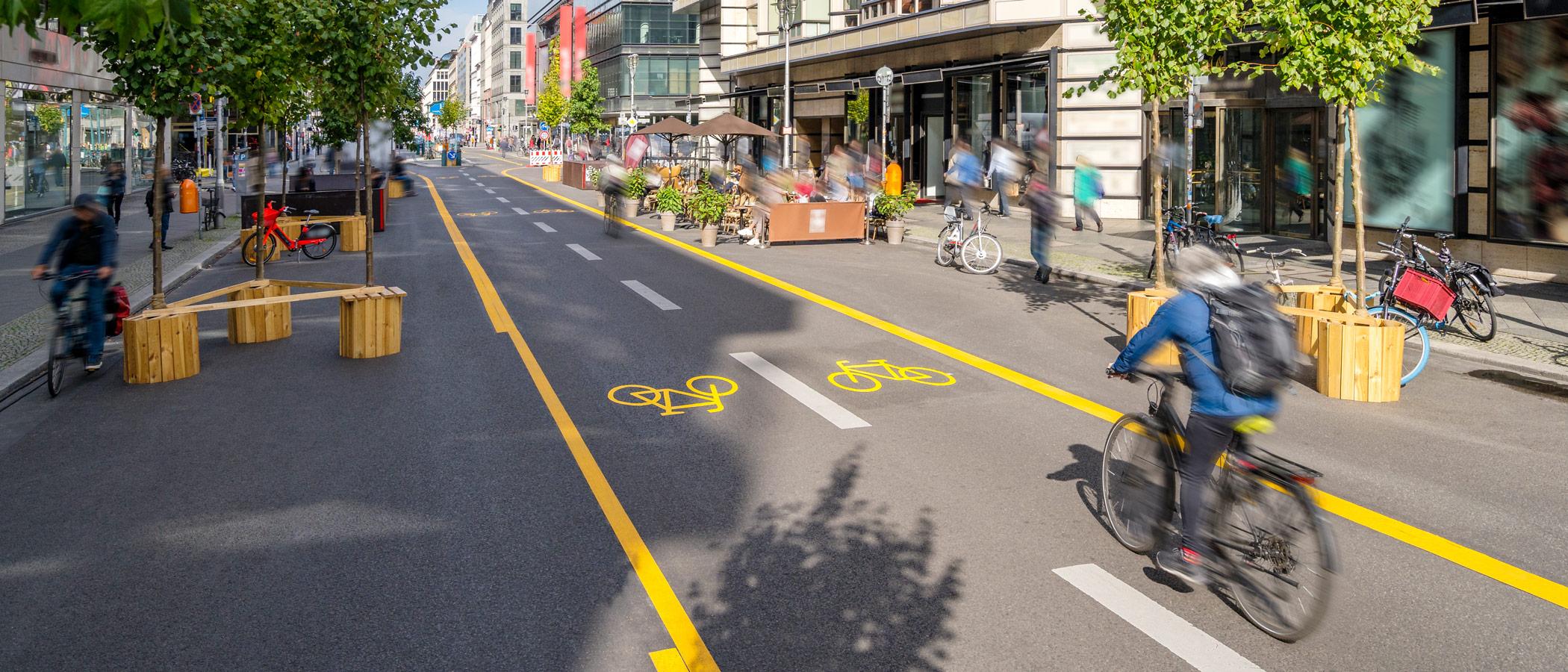
As urban centers across the globe grapple with escalating traffic congestion and rising concerns over climate change, cycling has emerged as a viable solution for many city dwellers. Yet, despite its growing popularity, cyclists often find themselves navigating not only busy roads but also a contentious debate surrounding infrastructure investment. Increasingly, advocates are sounding the alarm over inadequate bike lanes, unsafe conditions, and systemic neglect from policymakers, leading to rightful anger within the cycling community. However, this indignation risks being overshadowed by a broader culture war that pits various transportation modes against one another. As we explore the complexities of this issue, it becomes clear that while cyclists have legitimate grounds for concern, channeling that frustration into divisive rhetoric may hinder progress in creating safer, more inclusive urban environments for all.
Infrastructure Gaps Expose Cyclists’ Valid Frustrations
As urban environments continue to evolve, the glaring absence of adequate cycling infrastructure has emerged as a significant sore point for cyclists across the country. Many enthusiasts voice their frustrations over the lack of safe bike lanes, poorly designed intersections, and insufficient bike parking facilities. These issues contribute not only to hazardous riding conditions but also to the alienation of cyclists, who often feel overlooked in transport planning. The demand for improved cycling infrastructure is legitimate, reflecting the growing recognition of cycling as a viable and eco-friendly mode of transportation. Key points of concern include:
- Safety Risks: Inadequate infrastructure increases the likelihood of accidents.
- Accessibility: Many areas remain inaccessible to cyclists, making it difficult for them to commute effectively.
- Lack of Investment: Cities often prioritize motor vehicle infrastructure over cycling facilities.
Moreover, this imbalance in infrastructure investment raises questions about urban equity and the prioritization of transport modes. The lack of support for cyclists not only diminishes their experience on the road but also stifles the expansion of sustainable transportation options within cities. To illustrate the extent of these concerns, consider the following data that showcases the disparity between cycling infrastructure developments and vehicle-related investments:
| Infrastructure Type | Investment ($ Millions) | Percentage of Total Transport Budget |
|---|---|---|
| Cycling Facilities | 25 | 5% |
| Road Improvements | 400 | 80% |
| Public Transport | 75 | 15% |
The disparities illustrated in this table demonstrate a clear need for enhanced investment in cycling infrastructure, reflecting the community’s demand for balance in transportation funding. As cyclists rally for change, it’s essential to channel their frustrations into constructive dialogue rather than allowing grievances to escalate into a divisive culture war. By fostering understanding between cyclists and other road users, cities can build a more inclusive and comprehensive transport network that serves everyone’s needs.
Building Bridges: Promoting Dialogue Over Division in Transportation Debate
As cities grapple with evolving demands on their transportation infrastructure, the frustrations of cyclists resonate louder than ever. The right to express this frustration is understandable, especially when faced with inadequate bike lanes, dangerous intersections, and neglect of cycling needs in urban planning. However, turning these valid concerns into a divisive culture war only serves to exacerbate the growing chasm between road users. Addressing the situation requires that we focus on constructive dialogue with all stakeholders, including motorists, planners, and policymakers, fostering an environment where everyone’s perspective is valued. This collective approach can lead to a more balanced transportation system that accommodates cyclists while also ensuring safety and practicality for all road users.
Promoting collaboration rather than conflict can pave the way for effective solutions that prioritize sustainable mobility. Key strategies for building understanding among different groups in the transportation debate include:
- Community Workshops: Creating spaces for dialogue where cyclists and drivers can express their perspectives.
- Inclusive Planning: Involving cyclists in discussions about urban development to shape infrastructure that meets diverse needs.
- Education Campaigns: Initiating programs that highlight the benefits of cycling, not just for the individual but for overall urban health.
Such initiatives can aid in transforming anger into actionable change, ensuring that the frustrations of cyclists become a catalyst for collaborative improvement rather than a fuel for division. Ultimately, it’s not about taking sides, but about crafting a transportation framework that upholds the rights and safety of all users.
Practical Solutions for Safer Streets: Encouraging Collaboration for Change
The ongoing frustrations among cyclists regarding poor infrastructure highlight the urgent need for cities to prioritize road safety and mobility for all users. Instead of allowing anger to breed division, it’s essential to focus on collaborative approaches that involve local communities, government officials, and advocacy groups. By fostering open dialogue, residents can express their concerns and work collectively on proposed solutions that enhance cyclist safety while respecting the needs of motorists and pedestrians. Some effective strategies include:
- Community Workshops: Organizing events to gather input from cyclists, drivers, and pedestrians on infrastructural needs.
- Shared Planning Initiatives: Encouraging joint planning sessions that involve various stakeholders in designing safer road configurations.
- Advocacy Campaigns: Launching local campaigns aimed at raising awareness about the benefits of improved cycling infrastructure.
Moreover, taking proactive measures can facilitate a shift towards safer streets in a more inclusive manner. One way to measure progress is to evaluate proposed changes against a set of key performance indicators (KPIs) that reflect the goals of enhanced mobility and safety. Below is a simple chart outlining potential KPIs:
| Indicator | Measure |
|---|---|
| Reduction in Accidents | % Decrease Yearly |
| Cyclist Satisfaction | Survey Score (1-10) |
| Infrastructure Investment | Community Spending % |
By identifying these metrics and acknowledging the necessity for change, the conversation on road safety can transition from one of conflict to one of collaboration. Ultimately, it’s the shared responsibility of all road users to advocate for and implement practical solutions that benefit everyone in the community.
Future Outlook
In conclusion, while the frustrations of cyclists regarding inadequate infrastructure are both valid and pressing, it is crucial to navigate these grievances without inflaming a divisive culture war. The dialogue surrounding cycling and urban development should focus on collaboration and constructive solutions rather than escalating tensions between different groups of road users. By fostering an inclusive conversation that prioritizes safety and accessibility for all, communities can work towards a future where cycling is not only a viable mode of transportation but also a respected choice embraced by residents across the spectrum. As cities evolve, so too should our understanding and support for the multifaceted needs of all their inhabitants.