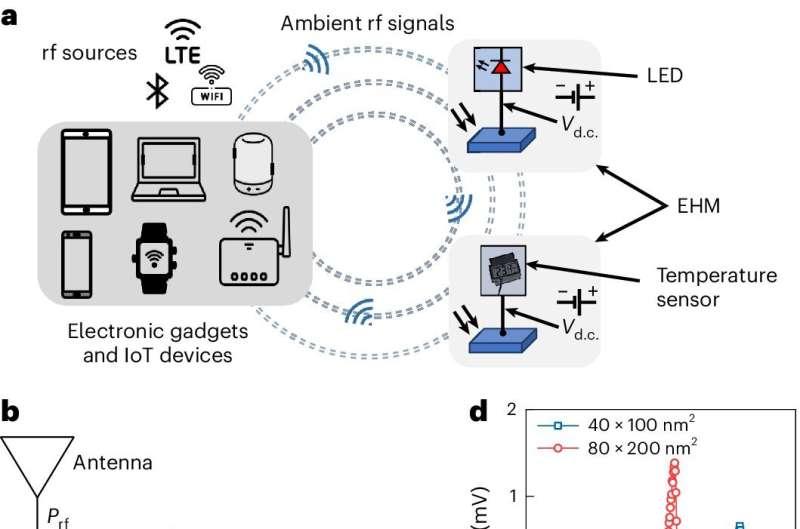
In an era dominated by devices reliant on constant charging, a growing movement is challenging the notion that batteries are essential to modern life. The concept of living “battery-free” is gaining traction among tech enthusiasts, environmentalists, and everyday users seeking simplicity and sustainability. From innovative products that harness ambient energy to lifestyle choices that minimize dependency on rechargeable gadgets, the battery-free approach promises a future less tethered to electrical outlets and disposable power sources. This article explores the rise of battery-free living, its practical applications, and what it means for consumers and the planet alike.
Exploring the Rise of Battery-Free Technology in Everyday Devices
The ongoing evolution in electronics has ushered in a new era where battery-free devices are no longer a futuristic concept but a tangible reality. From smartwatches to environmental sensors, the reliance on embedded batteries is steadily diminishing, thanks to advances in energy harvesting technologies like solar, kinetic, and radio frequency (RF) energy. This shift not only promises enhanced device longevity but also addresses growing environmental concerns by reducing electronic waste dramatically. Manufacturers and consumers alike are gravitating toward these innovations, sparked by rising expectations for convenience and sustainability in everyday gadgets.
Several benefits make battery-free technologies a compelling alternative in modern electronics:
- Maintenance-free operation: No batteries to replace or recharge.
- Environmental friendliness: Lower environmental footprint through reduced hazardous waste.
- Compact designs: Eliminating bulky batteries enables sleeker and lighter devices.
- Cost efficiency: Long-term savings from decreased power consumption and battery procurement.
| Energy Harvesting Method | Typical Use Cases | Power Output |
|---|---|---|
| Solar | Wearables, outdoor sensors | 1-100 mW |
| Kinetic | Smartwatches, fitness trackers | 0.1-10 mW |
| RF Energy | IoT devices, RFID tags | 10-100 µW |
How Energy Harvesting is Changing the Way We Power Our Gadgets
Energy harvesting technology is revolutionizing the landscape of mobile gadgets by eliminating reliance on traditional batteries. Devices now scavenge power from ambient sources such as light, heat, motion, and radio waves, enabling them to operate continuously without manual charging or replacement. This shift not only enhances user convenience but also marks a critical step toward sustainable, eco-friendly electronics. Manufacturers are leveraging piezoelectric materials, thermoelectric generators, and photovoltaic cells to integrate smart systems that transform everyday environmental energy into usable electric power.
Innovations in this field have unlocked numerous advantages that are rapidly altering consumer expectations:
- Extended device lifespan by minimizing battery degradation issues.
- Reduced e-waste, since fewer batteries need disposal or recycling.
- Enhanced portability as gadgets no longer require bulky battery compartments.
- Improved safety by eliminating risks associated with battery leaks or explosions.
| Energy Source | Typical Power Output | Common Application |
|---|---|---|
| Solar (Light) | 10-100 mW | Wearable trackers |
| Thermoelectric (Heat) | 5-50 mW | Smart watches |
| Piezoelectric (Motion) | 1-20 mW | Health sensors |
| RF Energy | 0.1-5 mW | IoT devices |
Practical Tips for Transitioning to a Battery-Free Lifestyle
Embracing a lifestyle without batteries demands creativity and some smart swaps. First, prioritize manual alternatives: crank radios, hand-powered flashlights, and wind-up kitchen timers can replace their battery-dependent counterparts without sacrificing functionality. For daily tasks, consider investing in mechanical watches, which offer reliability without charging. When it comes to household gadgets, opt for appliances that run directly on electricity or those designed with sustainable, rechargeable components that can be powered via solar panels or hand cranks.
Planning ahead is essential to reduce dependency on disposable power sources. Use the following checklist to streamline your transition:
- Audit your devices: Identify which electronics can be replaced or adapted.
- Invest in renewable recharge solutions: Solar chargers or crank-powered devices.
- Adopt energy-efficient habits: Natural lighting and manual tools.
- Educate household members: Share practical tips and involve everyone in maintenance.
| Device | Battery-Free Alternative | Benefits |
|---|---|---|
| Flashlight | Hand-crank flashlight | Unlimited power, eco-friendly |
| Wall Clock | Mechanical clock | Long-lasting, classic design |
| Radio | Crank or solar radio | Reliable during outages |
| Watch | Automatic mechanical watch | No battery, self-winding |
The Conclusion
As the push for sustainable living gains momentum, the move toward battery-free technologies signals a promising shift in how consumers engage with everyday devices. From reducing electronic waste to embracing renewable power sources, battery-free solutions are carving out a vital role in a greener future. While challenges remain, the growing adoption of these technologies underscores a broader commitment to innovation that prioritizes environmental responsibility without compromising convenience. For those championing a life unburdened by batteries, the path ahead looks both practical and promising.