In the rapidly evolving world of automotive safety, the debate over braking systems has reached a critical turning point. “Brakes: All Or Nothing” explores the latest advancements and challenges in brake technology, highlighting how split-second stopping power can mean the difference between life and death on the road. As manufacturers race to develop smarter, more reliable brakes, regulators and consumers alike are faced with pressing questions about safety standards, system failures, and the future of vehicle control. This article investigates the high stakes and complex dynamics behind one of the most vital components of modern transportation.
Understanding the Critical Role of Brake Systems in Vehicle Safety
When it comes to maintaining control and ensuring safety on the road, brake systems are the unsung heroes that demand attention. They transform the decision to stop into a precise mechanical action, often making the difference between a routine drive and a potential disaster. Modern brake systems integrate sophisticated technology such as anti-lock braking systems (ABS), electronic brakeforce distribution (EBD), and brake assist, all designed to optimize stopping power under various driving conditions. These components work in unison to improve vehicle stability, reduce stopping distances, and prevent wheel lock-up during emergencies.
Understanding the components and functions of brakes helps illustrate their critical importance. Key elements include:
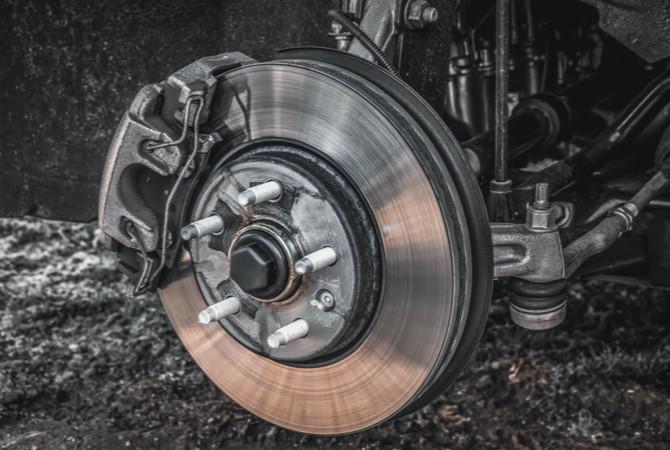
- Brake Pads: Apply friction to the rotors to slow the wheels.
- Rotors: Rotate with the wheels and create resistance when pressed.
- Brake Calipers: House the pads and press them against rotors.
- Master Cylinder: Converts pedal pressure into hydraulic force.
| Brake System Type | Primary Benefit | Common Usage |
|---|---|---|
| Disc Brakes | Superior heat dissipation | Most modern vehicles |
| Drum Brakes | Cost-effective and simple | Rear wheels in some cars, trucks |
| ABS | Prevents wheel lock-up | All passenger vehicles |
Common Brake Failures and How to Identify Them Early
Brake failures often sneak up on drivers, starting with subtle warning signs that are easy to overlook. One of the most common culprits is worn brake pads, which thin over time and produce a distinct squealing noise as a warning. Another frequent issue is brake fluid leaks, which reduce hydraulic pressure and can lead to a spongy brake pedal feel. Drivers might also experience vibrations or pulsations through the brake pedal and steering wheel, typically signaling warped rotors. Early detection is vital; paying attention to unusual sounds, pedal resistance changes, or dashboard brake warnings can prevent costly repairs and ensure safety.
To help identify problems early, keep an eye out for the symptoms listed below:
- Grinding or squealing noises when braking
- Soft or spongy brake pedal feel
- Dashboard warning lights related to the braking system
- Uneven brake pad wear visible through wheel spokes
- Pulling to one side when braking
| Failure Type | Early Signs | Immediate Action |
|---|---|---|
| Worn Brake Pads | Squealing noise | Schedule brake inspection |
| Brake Fluid Leak | Soft brake pedal | Check fluid levels & repair leak |
| Warped Rotors | Pulsation in pedal/steering wheel | Replace or resurface rotors |
Expert Tips for Maintaining Optimal Brake Performance Year-Round
Maintaining brake performance is critical no matter the season, and attention to detail can make a world of difference. Regularly inspecting brake pads and rotors ensures you catch wear before it becomes hazardous. Dust and debris accumulate quickly, so consistent cleaning around the brake calipers and components isn’t just aesthetic-it prevents corrosion and uneven wear. Equally important is checking brake fluid levels; using the manufacturer-recommended fluid and flushing it periodically helps maintain the hydraulic integrity, especially in extreme temperatures where fluid viscosity can fluctuate.
Seasonal changes introduce unique challenges like moisture and road salt that accelerate brake degradation. It’s wise to adopt a proactive maintenance checklist:
- Spring: Inspect and clean to remove winter grime and salt residues.
- Summer: Monitor for overheating signs caused by heavy traffic or hilly terrain.
- Fall: Replace brake components before the cold months to prevent brittleness.
- Winter: Use corrosion-resistant lubricants and keep tabs on fluid freeze points.
| Maintenance Task | Frequency | Key Benefit |
|---|---|---|
| Brake Pad Inspection | Every 10,000 miles | Prevents unexpected failures |
| Brake Fluid Check | Every 2 years | Ensures hydraulic system efficiency |
| Rotor Resurfacing | Based on wear level | Maintains smooth braking |
| Cleaning & Lubrication | Seasonal | Prevents corrosion and noise |
Concluding Remarks
In a field where precision and safety are paramount, the debate over brake performance framing-whether it’s a matter of “all or nothing”-continues to evolve. As technology advances and regulatory standards tighten, manufacturers and engineers strive to balance responsiveness with reliability. Understanding the critical role brakes play in vehicle safety underscores why this issue commands ongoing attention from industry experts and consumers alike. Stay tuned as developments in brake systems promise to shape the future of transportation safety.