

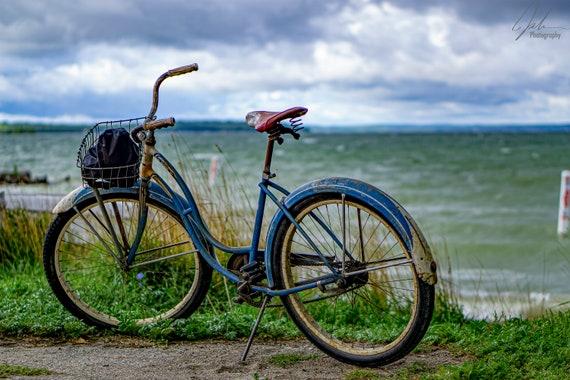
In an era dominated by rapid technological advances and shifting transportation trends, the humble bicycle remains a symbol of freedom, innovation, and sustainability. “Remembrance Of Bikes Past” takes readers on a journey through the rich history of cycling, exploring how bicycles have evolved from simple wooden frames to sophisticated machines that have shaped social movements, urban landscapes, and personal lives. This article delves into the cultural and technological milestones that have defined the bike’s enduring legacy, reminding us why these two-wheeled vehicles continue to capture our imagination and fuel our daily journeys.
The Evolution of Bicycle Design Through the Decades
From the clunky steel frames of the late 19th century to today’s featherlight carbon fiber masterpieces, bicycle design has undergone a remarkable transformation. The Victorian era saw the invention of the penny-farthing, an iconic silhouette characterized by a massive front wheel and tiny rear wheel, prioritizing speed despite its precarious stability. Soon after, the safety bicycle emerged, featuring equal-sized wheels and a chain-driven rear wheel, setting the foundation for modern bicycles. Each decade brought critical innovations: the 1930s favored streamlined steel frames and the introduction of multi-gear systems; the 1970s sparked a mountain bike revolution with rugged frames and knobby tires designed for off-road adventures.
Noteworthy milestones have consistently set new standards, whether focused on performance or rider comfort. Consider the following highlights:
- 1930s: Lightweight steel and the first derailleur gears
- 1970s: Mountain bikes with robust suspension and aggressive tires
- 1990s: Rise of aluminum and carbon frames to reduce weight
- 2010s onwards: Integration of electronic shifting and aerodynamic contours
| Decade | Key Feature | Impact |
|---|---|---|
| 1890s | Penny-farthing design | Challenged conventional speed norms |
| 1930s | Multi-gear systems | Enhanced versatility for hilly terrain |
| 1970s | Mountain bike emergence | Opened new terrain for cyclists |
| 2020s | Smart bikes & eco-friendly materials | Blended technology with sustainability |
Preserving Classic Bikes and Their Cultural Significance
Classic motorcycles are more than just machines; they are living testimonies to a bygone era of craftsmanship and style. Enthusiasts and collectors dedicate countless hours to restoring and maintaining these bikes, preserving the rich stories woven into their frames and engines. Every polished chrome detail and carefully preserved leather seat carries the legacy of innovation and rebellion, reflecting cultural shifts that shaped societies worldwide. From the roaring post-war years to the psychedelic sixties, these bikes serve as tangible links to the past, cementing their place as icons of freedom and creativity.
Preserving these two-wheeled treasures involves not only meticulous mechanical upkeep but also safeguarding their cultural narratives. Communities around the globe celebrate this heritage through vintage rallies, exhibitions, and educational programs that highlight the importance of classic bikes in automotive history. Key elements in this preservation effort include:
- Authentic Restoration: Using original parts and period-correct techniques.
- Archival Documentation: Recording timelines, ownership, and historical significance.
- Community Engagement: Hosting gatherings and mentorship programs for new enthusiasts.
| Era | Iconic Model | Cultural Impact |
|---|---|---|
| 1940s-1950s | Harley-Davidson WL | Post-war freedom symbol |
| 1960s-1970s | Triumph Bonneville | Counterculture movement staple |
| 1980s | Kawasaki KZ1000 | Performance and rebellion icon |
Expert Tips for Restoring and Maintaining Vintage Bicycles
Bringing a vintage bicycle back to life requires more than just mechanical skill-it demands respect for the integrity of original materials and craftsmanship. Start by carefully assessing the frame for rust or cracks, using gentle cleaning methods such as a mild detergent and soft brushes to preserve patina without damaging the metal. Always opt for period-correct replacement parts when necessary, sourcing components from specialist suppliers or salvage opportunities to maintain authenticity. Lubricate moving parts with high-quality oils designed for older machinery to ensure smooth operation without compromising the bike’s historical fabric.
Key strategies to keep vintage bicycles in prime condition include:
- Storing the bike indoors away from moisture and direct sunlight to prevent corrosion and fading
- Regularly checking tire integrity and replacing inner tubes with classic but reliable modern equivalents
- Preserving original decals and paintwork by avoiding abrasive cleaners and using protective waxes
| Component | Restoration Tip | Recommended Product |
|---|---|---|
| Frame | Light sanding and clear coat protection | Automotive clear lacquer |
| Chain | Thorough cleaning and lubricating | Teflon-based bike chain lubricant |
| Leather saddle | Conditioning to prevent cracking | Key Takeaways As we reflect on the evolution of bicycles, the remembrance of bikes past offers more than just nostalgia-it provides insight into how innovation and culture have shaped two-wheeled transportation throughout history. From the early wooden velocipedes to today’s high-tech models, each era’s bike tells a story of progress, community, and changing societal needs. Understanding this journey not only honors the legacy of those pioneering designs but also frames the future of cycling in a broader historical context. As cycling continues to evolve, keeping the memory of these formative bikes alive reminds us of the enduring impact they’ve had on mobility and lifestyle worldwide. Related Posts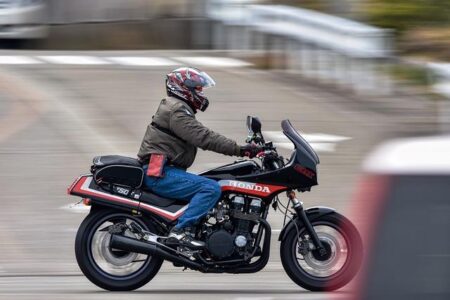    |