Opinion: Indoor Cycling Was Better Before I Had to Log In
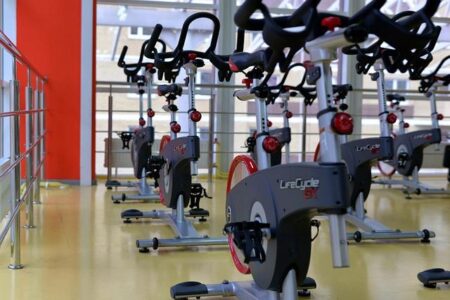
In recent years, indoor cycling has evolved from a niche fitness activity into a global phenomenon, driven by innovations in technology and the rise of virtual platforms. With a plethora of apps and online classes at our fingertips, the convenience of logging in to a curated cycling experience has become the norm. However, as this digital shift has taken place, many enthusiasts are reflecting on the simplicity and joy of the pre-login era, where the focus was on the ride itself rather than the logistics of accessing it. In this opinion piece, we explore the ways in which the rise of user accounts, tracking metrics, and social sharing might have improved the accessibility of indoor cycling, but at the cost of the spontaneous, liberating joy that once defined it. As we navigate this new landscape, it begs the question-have we traded authenticity for convenience in our pursuit of fitness?
The Shift Toward Digital Integration in Indoor Cycling
The rise of digital technology has drastically transformed the indoor cycling landscape, merging traditional workout experiences with modern connectivity. However, this shift often brings both advantages and drawbacks. Many enthusiasts once appreciated the intimacy of cycling classes-immersive environments where the focus was on physical exertion, rhythm, and community, rather than paused interactions due to technology. Today, members are expected to log in, creating a barrier that can disrupt the flow and spontaneity of a workout. For some, this might feel like an unnecessary impediment, detracting from the pure enjoyment of pedaling through a challenging session with fellow riders.
As studios increasingly prioritize digital integration, the implications are palpable. Fitness apps and bike tracking systems like Peloton and Zwift offer valuable metrics and gamified experiences that can enhance motivation and performance. Yet, this data-driven approach may alienate riders who prefer a more analog experience. With screen time becoming a pervasive aspect of our lives, the allure of undistracted, genuine engagement during a cycling class is often compromised. The question remains: are we sacrificing the soul of indoor cycling in the pursuit of technological innovation? The answer may lie in finding a balance that satisfies both camp enthusiasts and tech-savvy riders.
Exploring the Impact of Mandatory Logins on User Experience
The requirement for mandatory logins in indoor cycling apps has generated mixed feelings among users. On one hand, these logins are designed to enhance personalized experiences by tracking performance and progress over time. However, many find this added step cumbersome and diminishing the spontaneous nature of workout sessions. Users often express frustration over:
- The time it takes to log in before starting a ride
- Fear of losing their workout data due to connection issues
- The additional layer of accountability that some consider pressure
Furthermore, the social aspect of indoor cycling has been impacted negatively as well. Previously, users could quickly join classes, take on challenges, and engage with communities without the barrier of logging in. This ease fostered a sense of camaraderie and spontaneous participation. With the introduction of mandatory authentication, the atmosphere has shifted towards:
- Increased hesitation to join classes on a whim
- A potential decrease in community interaction
- A more solitary experience as users feel less motivated to engage
These changes could ultimately affect long-term user retention, signaling a need for fitness apps to reconsider their approach to user access.
Recommendations for Balancing Innovation with User Accessibility
As fitness technology continues to evolve, the challenge of ensuring that innovation does not come at the expense of user accessibility has become increasingly pressing. Striking the right balance requires thoughtful consideration of user experience, particularly when integrating features that enhance convenience without creating unnecessary barriers. Some recommendations include:
- Simplify User Profiles: Streamline the registration and login processes to require minimal information, allowing new users to quickly engage with the platform.
- Guest Access Options: Consider allowing users to join classes or access certain features without the need for an account, fostering a more inviting atmosphere for newcomers.
- Intuitive Design: Ensure the interface is user-friendly, with clear navigation that minimizes the learning curve for all user demographics.
- Regular Feedback Solicitation: Actively seek user feedback to continuously adapt the platform, identifying pain points and areas for enhancement in real-time.
Additionally, a strategic approach to integrating new technology is essential for maintaining user engagement while promoting accessibility. By reviewing the performance of different features, developers can better understand their impact on user experience. A simple table summarizing the key aspects of innovative features vs. user accessibility could serve as a useful guide:
| Feature | User Impact | Accessibility Rating |
|---|---|---|
| Advanced Metrics Dashboard | Increased motivation | Moderate |
| Social Sharing Capabilities | Enhanced community | High |
| Login Requirement | Potential barrier to entry | Low |
In Conclusion
In conclusion, the evolution of indoor cycling from a simple, enjoyable pastime to a digitally driven experience has sparked considerable debate among enthusiasts and casual riders alike. While advancements in technology have introduced new features and connectivity that enhance the workout experience, the additional requirements-such as mandatory logins-have led many to reminisce about a time when cycling was about freedom and personal effort, rather than navigating software hurdles. As the fitness landscape continues to evolve, it is essential for companies to balance innovation with user accessibility, ensuring that the essence of indoor cycling remains intact. Whether you celebrate the integration of technology or long for the simplicity of the past, one thing is clear: the conversation surrounding the future of indoor cycling should prioritize the rider’s experience first and foremost.