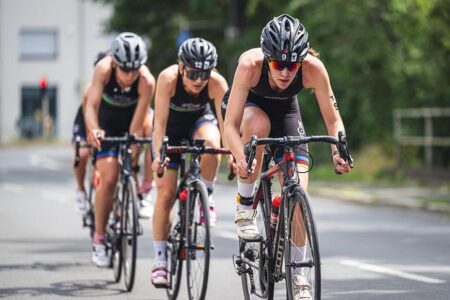
In a dramatic turn of events during the Tour de France Femmes, star rider Demi Vollering experienced a severe crash that sent shockwaves through the cycling community. The incident, which occurred in a crucial stage of the prestigious women’s race, not only raised concerns over Vollering’s immediate health and performance but also highlighted the inherent dangers of competitive cycling at this elite level. As riders navigate challenging terrains and intense competition, the consequences of such falls can be significant, impacting team strategies and the overall standings. This article delves into the details of the crash, its implications for Vollering and her team, and the broader context of safety in women’s cycling.
Demi Vollering’s Tour de France Femmes Crash: Analyzing the Impact on the General Classification
The late-stage crash involving Demi Vollering during the Tour de France Femmes has left fans and competitors alike stunned, as its ramifications extend beyond the immediate physical impact. As one of the key contenders for the general classification, her fall not only raises questions about her capacity to recover but also affects the overall dynamics of the race. Earlier in the competition, Vollering had established herself as a formidable force, showcasing her climbing prowess and tactical expertise. However, the timing of her crash means that her team and rivals must now reevaluate their strategies during the critical final stages.
With Vollering’s withdrawal from the race, the landscape of the general classification has shifted significantly. Key competitors who were previously under pressure now find new opportunities to gain crucial seconds. The absence of Vollering opens the door for other notable riders to ascend the ranks, potentially altering the competition in profound ways. This situation has ignited discussions among analysts and fans, particularly regarding:
- Potential New Leaders: Who will seize the opportunity left by Vollering’s misfortune?
- Team Dynamics: How will her team adapt their race strategy in her absence?
- Injury Implications: Will Vollering be able to return for future races, and how will this crash affect her long-term career?
Safety Protocols in Pro Cycling: Lessons from Vollering’s Harrowing Fall
The recent incident involving Demi Vollering during the Tour de France Femmes has reignited discussions around safety measures in professional cycling. While the sport inherently involves risks, it is imperative to assess and enhance the safety protocols that are in place. The impact of Vollering’s crash serves as a poignant reminder of the need for improved equipment and practices that prioritize rider safety. Key areas that require attention include:
- Helmet technology: Innovations must continue to evolve to ensure maximum protection during falls.
- Road conditions: Races should prioritize routes that minimize dangerous hazards, including poorly maintained roads or unexpected obstacles.
- Team communication: Clear and effective communication protocols during races can help prevent accidents by ensuring that riders are aware of sudden changes or hazards ahead.
Furthermore, the cycling community must advocate for stricter regulations concerning race conditions and athlete welfare. The lessons learned from Vollering’s fall can help shape future guidelines, focusing not only on the physical equipment but also on the mental preparedness of athletes. A proposed framework for safety improvements could involve:
| Aspect | Current Status | Proposed Improvement |
|---|---|---|
| Emergency Response | Slow and varied across events | Standardized protocols and rapid response teams |
| Training on Road Hazards | Limited focus | Regular drills and simulations for riders |
| Equipment Standards | Vary between teams | Unified safety equipment regulations |
Rehabilitation and Recovery: Recommendations for Athletes After Serious Incidents
After a serious crash, like the one recently endured by Demi Vollering during the Tour de France Femmes, it’s crucial for athletes to follow a structured rehabilitation and recovery plan. Proper recovery not only helps in physical healing but also addresses psychological well-being. Consider these essential recommendations:
- Assessment and Medical Consultation: Always start with a thorough medical evaluation to identify injuries and formulate a recovery plan.
- Follow a Tailored Rehab Program: Collaborate with physiotherapists to design a rehabilitation schedule suited to the specific injuries sustained.
- Incorporate Mental Health Support: Engaging with sports psychologists can assist athletes in overcoming the mental hurdles often faced after an accident.
- Gradual Return to Training: Progressively increase training intensity while prioritizing any discomfort or pain as a signal to adjust.
- Focus on Nutrition and Hydration: Maintaining a balanced diet contributes significantly to the overall healing process, helping to strengthen bones and muscles.
Additionally, keeping a close eye on performance variables is essential. Here’s a simplified monitoring table that athletes can use to track their recovery:
| Week | Rehab Activity | Miles Trained | Physical Status | Mental Status |
|---|---|---|---|---|
| 1 | Gentle mobility exercises | 0 | Resting | High |
| 2 | Strength training | 5 | Improving | Moderate |
| 3 | Low-intensity cycling | 15 | Good | High |
| 4 | Increased cycling with interval training | 25 | Stable | Very High |
In Conclusion
In conclusion, Demi Vollering’s harrowing crash during the late stages of the Tour de France Femmes has not only cast a shadow over her championship aspirations but also raised significant concerns about rider safety amidst the intense competition. As the cycling community rallies around her, the incident serves as a stark reminder of the inherent risks that come with high-stakes racing. The impact of Vollering’s fall will undoubtedly be felt in the upcoming stages, as teams recalibrate their strategies and showcase their resilience. The cycling world will be watching closely, hoping for a swift recovery for the talented Dutch cyclist and a renewed focus on enhancing safety measures for all competitors in the sport.