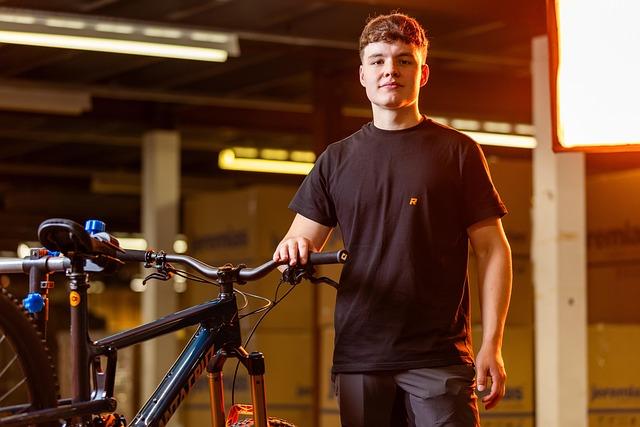
In recent years, the world of professional cycling has witnessed a troubling trend: an increasing number of young cyclists are choosing to retire early, citing an overwhelming sense of burnout from the pressures of the sport. While the rigorous demands of training and competition have long been the norm in elite athletics, a growing chorus of riders is now questioning whether the sacrifices required to succeed are truly worth it. As the headlines of early retirements pile up, industry experts and former champions alike are diving deeper into the psychological toll this relentless pursuit of excellence takes on emerging talent. In this article, we explore the factors contributing to the rising incidence of burnout among young pro cyclists, the personal stories behind these early exits, and the implications for the future of the sport.
The Growing Crisis of Burnout Among Young Professional Cyclists
The increasing trend of burnout among young professional cyclists is raising alarming concerns within the cycling community. More riders than ever are walking away from their careers at a young age, dimming the bright future that once seemed assured with talent and hard work. Factors contributing to this crisis are multifaceted and complex, including:
- Intense Training Regimens: The pressure to perform at elite levels often leads to grueling training schedules that leave little room for recovery.
- High Expectations: With significant sponsorship deals and media attention, young cyclists face immense pressure to deliver results, amplifying feelings of inadequacy when they fall short.
- Personal Sacrifices: Many athletes sacrifice personal lives and mental well-being in pursuit of their goals, leading to exhaustion and disillusionment.
Team management and cycling organizations appear to be struggling with how to address these issues effectively. The lack of proper mental health resources and support systems exacerbates the situation, creating environments where young athletes feel isolated and unsupported. A recent survey highlighted this alarming trend, showcasing the challenges faced by these cyclists:
| Age Group | Percentage Experiencing Burnout |
|---|---|
| 18-24 | 65% |
| 25-30 | 50% |
If the sport hopes to retain its promising talent, a concerted effort to prioritize athletes’ health and well-being is essential. By investing in supportive structures and promoting open dialogue about mental health, the cycling world can shift towards a sustainable future that values both performance and personal fulfillment.
Understanding the Psychological and Physical Toll of Competitive Cycling
The allure of competitive cycling can often mask the intense pressures that young athletes face in their pursuit of success. Many pro cyclists report experiencing feelings of anxiety, depression, and exhaustion, which can lead to a phenomenon known as burnout. The relentless training schedules, combined with the expectations from sponsors and fans, create an environment ripe for mental health challenges. Athletes express that they are torn between their love for the sport and the debilitating effects of constant competition, leading to an overwhelming sentiment that “this just isn’t worth it.” This overwhelming pressure not only affects their performance but also their overall well-being.
In understanding the physical toll, we must acknowledge the rigorous demands placed on young cyclists, who often push their bodies to extreme limits. A typical training regimen includes:
- Long-distance rides that can exceed 100 miles per session
- High-intensity interval training for peak performance
- Strenuous recovery sessions to mend and rebuild muscles
Such demands inevitably lead to fatigue, injuries, and in many cases, a premature end to promising careers. It’s crucial to recognize these factors and foster a culture that prioritizes health over results, allowing cyclists to thrive rather than merely survive in their sport.
| Aspect | Impact |
|---|---|
| Mental Health | Increased anxiety and depression |
| Physical Strain | Heightened risk of injury and fatigue |
| Performance Pressure | Impact on self-esteem and identity |
Strategies for Supporting Athlete Well-Being and Preventing Early Retirements
To enhance athlete well-being and combat the alarming trend of early retirements among young pro cyclists, a multifaceted approach is essential. Teams and coaches can implement mental health support systems, focusing on the psychological aspects of training and competition. This can include:
- Regular mental health evaluations.
- Access to sports psychologists.
- Workshops on stress management and coping strategies.
Moreover, fostering a culture that values work-life balance can significantly reduce burnout. Establishing flexible training schedules, promoting social interactions, and encouraging downtime allows athletes to recharge. Additionally, teams can introduce programs that prioritize athletes’ personal interests alongside their competitive pursuits, creating a more sustainable athletic career. Incorporating feedback mechanisms where athletes can voice their concerns about training loads and competition pressures is also vital in creating an environment of trust and support.
Final Thoughts
In conclusion, the troubling trend of early retirements among young professional cyclists shines a stark light on the pervasive issue of burnout within the sport. As these athletes grapple with the intense pressures of competition, sponsorship demands, and the relentless pursuit of excellence, many find themselves questioning the sacrifices made for an uncertain future. The insights from current and former cyclists underscore the urgent need for systemic changes within the cycling community-as well as broader discussions about mental health and well-being in professional sports. As this conversation evolves, it is essential for stakeholders to prioritize the long-term health and happiness of these athletes, ensuring that the love for cycling can thrive without the looming shadow of burnout. As the cycling world continues to navigate these challenges, the hope remains that future generations of cyclists will be able to pursue their passion without compromising their well-being.