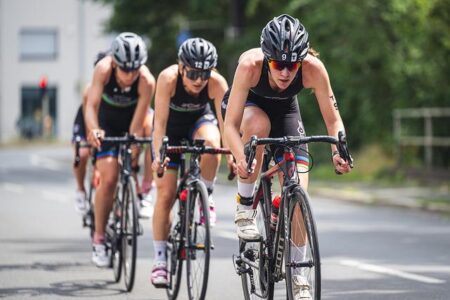
In the high-stakes world of professional cycling, where the pursuit of glory often overshadows athlete well-being, a troubling phenomenon known as Relative Energy Deficiency in Sport (RED-S) has emerged as a silent but devastating threat. “There are a lot of teams that will burn out their athlete for their contract, and that will be it for them,” warns a veteran cyclist, highlighting a harsh reality. RED-S, which affects not only physical performance but also mental health, is increasingly recognized as a significant issue that can derail promising careers. As the cycling community grapples with the consequences of this condition, many are calling for a cultural shift within teams and organizations. In this article, we will explore key strategies for combating RED-S, emphasizing the importance of a sustainable approach to athlete training and health-a necessity for the longevity of both individual athletes and the sport itself.
Understanding Relative Energy Deficiency in Sport and Its Impact on Cyclists
Relative Energy Deficiency in Sport (RED-S) has emerged as a significant challenge within the cycling community, with effects that extend beyond mere performance metrics. Cyclists often face immense pressure to consistently achieve peak physical conditioning, which can lead to unhealthy dietary practices and neglecting the body’s need for adequate rest and nutrition. Primary symptoms of RED-S include:
- Decreased energy availability
- Menstrual dysfunction in female athletes
- Reduced bone density
- Impaired immune function
- Performance decline
This condition not only jeopardizes an athlete’s immediate performance but also poses long-term health risks, potentially cutting short promising careers. The cycling world’s competitive nature fosters an environment where some teams may prioritize short-term gains over the athlete’s overall well-being, resulting in burnout and long-lasting repercussions on their health.
Combating this pervasive issue requires a collaborative approach among athletes, coaches, and health professionals. Effective strategies include integrating nutrition education, increasing awareness of the importance of recovery, and fostering a culture where athletes can voice their health concerns without fear of stigma or consequence. Teams should prioritize holistic training regimens that emphasize physical, emotional, and nutritional health. Implementing regular screenings and supportive resources can help identify early signs of RED-S, empowering cyclists to maintain a balanced lifestyle. Key initiatives might include:
- Regular health check-ups
- Access to nutritionists
- Workshops on mental health awareness
- Encouragement of open communication
By embracing these practices, the cycling community can strive towards a more sustainable model that values lasting health over immediate success.
Strategies for Athletes and Teams to Prevent Burnout and Promote Longevity
Athletes and teams need to prioritize sustainable practices that address the risk of burnout and the long-term health of competitors. One effective strategy is implementing comprehensive training programs that focus not just on physical performance but also on mental well-being. Teams can adopt a multidimensional approach by integrating the following elements:
- Regular Rest Periods: Schedule mandatory off days to allow for recovery.
- Psychological Support: Provide access to sports psychologists to help athletes cope with stress.
- Nutrition Education: Ensure athletes understand the importance of balanced diets to combat Relative Energy Deficiency in Sport (REDs).
- Open Communication: Foster an environment where athletes feel comfortable discussing their mental and physical health.
Moreover, data-driven approaches can enhance the effectiveness of these strategies. Teams can utilize wearables and performance analytics to monitor workload and recovery, adjusting training regimens accordingly. A simple framework for tracking athletes’ health could be established as follows:
| Metric | Frequency | Action |
|---|---|---|
| Workload Intensity | Weekly | Adjust training load |
| Resting Heart Rate | Daily | Monitor for overtraining |
| Nutrition Log | Daily | Review with dietitian |
By embracing these comprehensive strategies, athletes and organizations can significantly reduce the risk of burnout and ensure a longer, healthier career, countering the culture of short-term gains that often leads to the detriment of athletes’ overall well-being.
The Role of Coaching and Support Systems in Safeguarding Cyclists’ Well-Being
Coaching and support systems play a pivotal role in fostering the mental and physical health of cyclists in today’s competitive environment. To combat the risk of Relative Energy Deficiency in Sport (REDs), it is essential for teams to cultivate a culture that prioritizes athletes’ well-being over immediate performance outcomes. Effective coaching goes beyond just training regimens; it encompasses understanding each cyclist’s individual needs, both in terms of physical training and mental health. Coaches are in a unique position to recognize the signs of fatigue and burnout, mitigating risks before they escalate into more severe health issues.
Moreover, systematic support structures must be implemented to create a holistic environment for cyclists. This includes:
- Regular mental health check-ins: Establishing open lines of communication where athletes feel safe to express their struggles.
- Nutrition education: Ensuring athletes understand the importance of fueling their bodies correctly to combat energy deficiency.
- Recovery protocols: Incorporating rest days and active recovery sessions into training schedules to prevent overtraining.
By integrating these elements into the organizational framework, teams can ensure that the well-being of their athletes comes first, reducing the risk of burnout and promoting longevity in careers marred by the pressures of competitive cycling.
Final Thoughts
As the cycling community continues to grapple with the alarming rise of Relative Energy Deficiency in Sport (REDs), it becomes increasingly clear that the welfare of athletes must take precedence over the relentless pursuit of performance. The stark realities articulated by professionals reveal a pressing need for structural changes in the sport, aiming not just to enhance performance but to safeguard the long-term health and careers of athletes. Cycling organizations, teams, and governing bodies must collaborate to foster an environment that prioritizes athlete well-being and education about REDs. Only through a concerted effort to promote sustainable practices can the cycling world hope to prevent athlete burnout and ensure that competitors thrive both on and off the bike. The message is clear: it’s time to shift the paradigm in cycling to one that values longevity over short-term gains. As conversations around this critical issue continue, the future of cycling depends on the actions taken today to combat REDs and protect its most valuable assets-its athletes.