

In a thrilling display of speed and tenacity, Lorena Wiebes claimed the title at the Netherlands Road Championships, securing her victory amidst a tumultuous race marked by several crashes. The championship, held on a challenging course, saw Wiebes showcase her extraordinary sprinting prowess as she outpaced her competitors in a dramatic finish. The race, which had been anticipated as a showcase of the nation’s cycling talent, quickly became marred by incidents that left several riders sidelined. Despite the chaos, Wiebes remained undeterred, demonstrating her dominance and tactical acumen to clinch the prestigious championship title. This latest triumph adds to her growing reputation as one of the foremost talents in women’s cycling.
Lorena Wiebes Claims Stunning Victory Amidst Chaos at Netherlands Road Championships
In a thrilling conclusion to the Netherlands Road Championships, Lorena Wiebes showcased her extraordinary speed and tactical prowess, navigating a chaotic race that was marred by multiple crashes. Battling through treacherous conditions and fierce competition, Wiebes executed a perfectly-timed sprint in the final stretch, leaving her rivals in her wake. Her victory was not just a testament to her athletic ability, but also her resilience in a race that saw several of her competitors sidelined due to accidents.
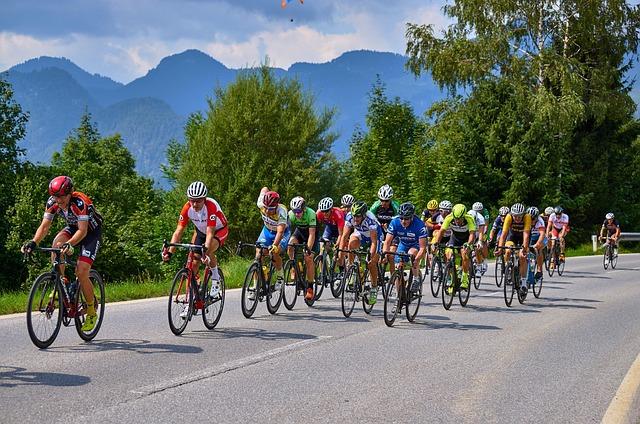
The intense leading pack included strong competitors, yet Wiebes’s strategic positioning and explosive finish set her apart. The race unfolded with unexpected twists, featuring incidents that challenged even the most seasoned cyclists. Key moments included:
- Major collisions: Several riders experienced crashes, reshaping the dynamics of the race.
- Team strategy: Wiebes’s team played a crucial role, supporting her as the situation deteriorated.
- Final sprint: Her sprint at the 200-meter mark was instrumental in securing her victory, highlighting her training and focus.
Analysis of Race Dynamics: How Crashes Shaped the Outcome and Strategy
The recent Netherlands Road Championships showcased a thrilling spectacle marred by incidents that ultimately influenced both race dynamics and strategy. As the peloton navigated treacherous corners and unpredictable weather, a series of crashes punctuated the competition, testing the resilience of riders and teams alike. Notable incidents included:
- A major pile-up approximately halfway through the race, severely affecting the morale and tactical options of several key teams.
- Subsequent crashes in the final kilometers that changed lead positions and altered the approach of sprinters who had been positioned for a late push.
These crashes necessitated quick thinking and adaptability among the riders, as tactical plans were upended, creating an environment where survival and positioning became paramount.
Ultimately, Lorena Wiebes emerged victorious, demonstrating not only her sprinting prowess but adaptable strategy amid chaos. Her team capitalized on the misfortunes of others, allowing them to conserve energy while positioning Wiebes for the sprint finish. Additionally, Wiebes’ performance underscored several factors that played a decisive role in her victory:
- Timing of the sprint, launched perfectly just after the last turn, showcasing her ability to make crucial decisions under pressure.
- Team cooperation, with her teammates providing critical support and controlling pace in the formative laps of the race.
In a race characterized by unpredictability, Wiebes’ triumph wasn’t just a testament to her talent but a reflection of strategic execution amidst the turbulent backdrop of crashes, emphasizing the role that unforeseen events play in shaping outcomes in competitive cycling.
Key Takeaways for Future Competitions: Safety Improvements and Tactical Adjustments Needed
The recent Netherlands Road Championships revealed significant areas for improvement when it comes to rider safety and race tactics. Several crashes throughout the race underscored the need for a critical reassessment of current safety protocols. Key considerations moving forward include:
- Enhancing communication between race officials and teams to ensure clarity on course conditions and potential hazards.
- Implementing stricter regulations regarding team positioning, particularly in the final kilometers, to minimize the risk of accidents during sprints.
- Evaluating and improving road conditions prior to events, emphasizing maintenance and repair in accident-prone areas.
Additionally, tactical adjustments may be necessary to adapt to the evolving nature of road races. As seen in the performance of Lorena Wiebes, effective teamwork and strategy were crucial for success. Future strategies should prioritize:
- Establishing stronger lead-out trains to support sprinters, ensuring they can navigate difficult situations more effectively.
- Investing in technology that provides real-time data on rider positioning and road conditions to inform tactical decisions during the race.
- Fostering a culture of rider safety where teams are encouraged to speak up about unsafe conditions without facing penalties.
Concluding Remarks
In summary, the Netherlands Road Championships showcased a thrilling and fiercely competitive atmosphere, highlighted by Lorena Wiebes’ remarkable sprint that secured her victory amidst a tumultuous backdrop of crashes and challenges. Her dominant performance not only underscores her exceptional talent but also solidifies her status as a leading force in women’s cycling. As the dust settles on this eventful race, attention now turns to the upcoming competitions, where Wiebes and her peers will seek to build on this season’s momentum. With new stories waiting to unfold and the cycling season in full swing, fans can anticipate even more exhilarating moments ahead.


