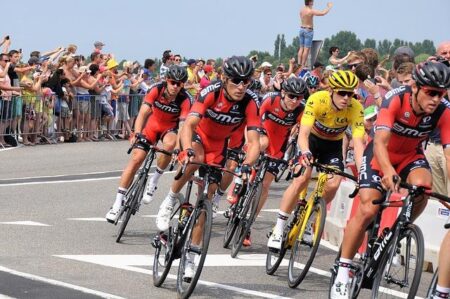
In a testament to the spirit of teamwork and the pursuit of excellence in professional cycling, French rider Émeline Labous is gearing up to play a pivotal role in supporting her teammate, Demi Vollering, at the upcoming Liège-Bastogne-Liège. As the women’s peloton approaches one of the most prestigious one-day races on the calendar, Labous has openly committed to making personal sacrifices to bolster Vollering’s ambition of clinching a remarkable third consecutive victory. This strategic alliance underscores the growing dynamics of team tactics in cycling, particularly as athletes navigate the pressures of high-stakes competitions. With only days left until the race, all eyes are on how Labous’s determination and Vollering’s prowess will combine in a bid for glory in the hills of Belgium.
Labous Committed to Supporting Vollering’s Ambitious Goals in Liège-Bastogne-Liège
In a show of unwavering team unity, Labous has pledged her full support for her teammate Demi Vollering as they prepare for the grueling challenge of Liège-Bastogne-Liège. With Vollering aiming for an unprecedented third consecutive victory, Labous is determined to put the team first, emphasizing the vital role of cooperation in achieving their ambitious goals. “Try to do everything for Demi” is not just a mantra; it represents Labous’s commitment to sacrifices on the road, echoing the sentiment that success in cycling often hinges on teamwork and mutual support.
The strategy for this highly anticipated event hinges on meticulous planning. Key elements of Labous’s support will include:
- Protective Positioning: Ensuring Vollering is shielded from the wind and potential hazards.
- Optimal Pacing: Setting a rhythm that suits Vollering’s strengths without compromising her energy reserves.
- Strategic Communication: Maintaining clear, constant communication about race developments and tactics.
As they train, the duo is fine-tuning their tactical approach, preparing for the explosive finish that the iconic race demands. With Labous’s dedication and Vollering’s formidable skills, the pair is set to make their mark in this year’s edition of one of cycling’s most prestigious classics.
Team Dynamics and Strategy: The Sacrifices Behind Vollering’s Triple Pursuit
The dynamics within the team have shifted as they gear up for Vollering’s ambitious pursuit of a historic triple win. Labous has made it abundantly clear that her focus will be entirely on supporting Vollering during the upcoming Liège-Bastogne-Liège race. This commitment underscores a broader strategy that prioritizes collective goals over individual ambitions, a philosophy deeply entrenched in the team’s culture. Labous remarked, “We know what’s at stake, and it’s about full support for Demi. Every rider has a role to play, whether that’s controlling the pace, protecting her from the wind, or responding to attacks.”
To effectively execute their strategy, the team has outlined several key roles that allow for seamless cooperation. These include:
- Lead Out: Creating opportunities for Vollering to conserve energy for decisive moments.
- Defense: Shielding her from competitors’ tactics that could destabilize their plan.
- Pacing: Setting a rhythm that plays to Vollering’s strengths during crucial phases of the race.
In this complex interplay, each rider must also be ready to make individual sacrifices for the greater good, a balance that will be tested in the intensity of the race. It’s a strategy that not only fosters unity but also positions the team as a formidable force in the upcoming competition.
Exploring the Impact of Team Roles on Success in Professional Cycling Events
In the fiercely competitive world of professional cycling, team dynamics play a crucial role in determining event outcomes. The recent focus on the relationship between riders such as Demi Vollering and her teammate Elisa Labous exemplifies how collaborative strategies can pave the way for victory. Labous has publicly committed to supporting Vollering in her pursuit of a historic third consecutive win at Liège-Bastogne-Liège. This dedication underscores the importance of specific roles within a cycling team, where each member’s contribution can significantly influence performance and strategy on the road.
Effective teamwork can be attributed to various roles that cyclists adopt, each with distinct responsibilities. In this case, Labous will likely take on a defensive role, focusing on ensuring Vollering’s safety while positioning her for optimal performance. Key aspects of their team strategy may include:
- Protection: Shielding the leader from the wind and potential attacks.
- Energy Conservation: Managing efforts to maintain Vollering’s stamina for critical moments in the race.
- Communication: Constant updates on rivals’ positions and tactical shifts during the race.
This collaborative approach not only enhances the team’s chance of success but also reflects the intricate balance of individual talent and shared ambition that is critical in high-stakes events like Liège-Bastogne-Liège.
To Conclude
In conclusion, the commitment exhibited by Pierre Latour and his team underscores the unyielding spirit of collaboration within professional cycling. As they gear up for the Liège-Bastogne-Liège, the focus on supporting Demi Vollering reflects a strategic mindset that transcends individual ambitions in pursuit of collective success. With the stakes higher than ever, the upcoming race promises not only to highlight Vollering’s capabilities but also to showcase the strength of teamwork in the world of cycling. As the event approaches, all eyes will be on the dynamics within the team and the potential for triumph in what could be a historic achievement.