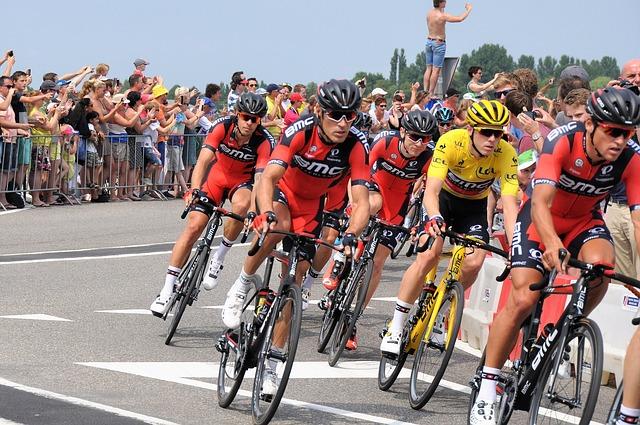
As the Tour de France gears up for another thrilling edition, the world’s gaze will not only be on the cyclists but also on the escalating risks posed by extreme heat, a concern that has emerged prominently among climate researchers. With temperatures rising and increasingly unpredictable weather patterns, experts are sounding the alarm about the potential dangers faced by athletes and support staff during this grueling endurance race. Despite growing evidence linking high heat to health hazards, the question remains: why do organizers persist in scheduling races at peak temperatures, rather than adjusting stage times to ensure the safety of participants? As the climate crisis intensifies, the intersection between sports, safety, and environmental stewardship becomes more critical than ever. This article delves into the scientific warnings and the logistical challenges behind the Tour’s scheduling decisions, highlighting the urgent need for a reevaluation of practices in light of our changing climate.
Climate Concerns Intensify as Tour de France Faces Extreme Heat Challenges
The rising temperatures during the Tour de France have become a focal point of concern among climate researchers and health experts alike. As athletes pedal through sweltering heat, the intensity of their exertion raises alarm about the risks associated with extreme weather. The physiological challenges posed by high temperatures can lead to severe dehydration, heat stroke, and other serious health issues. According to experts, the ideal race conditions should eliminate unnecessary risk, yet stages have traditionally been scheduled during peak summer months.
Despite growing evidence linking extreme heat to significant health threats, cycling officials express hesitation when it comes to adjusting the race schedule. Critics argue that various factors contribute to the reluctance, including tradition, logistical constraints, and economic interests, which can overshadow athlete welfare. Among the key factors deterring earlier stages are:
- Weather Patterns: Fluctuating climate conditions can complicate long-term scheduling predictions.
- Fan Engagement: The summer months attract larger crowds, impacting local economies.
- Broadcast Regulations: Primetime coverage often necessitates adherence to traditional dates for viewership.
Resistance to change calls into question the balance between maintaining tradition and prioritizing athlete safety. A recent study highlights the physiological limits of cyclists riding in extreme heat, suggesting a shift in race planning could proactively address these concerns. The table below illustrates the correlation between rising temperatures and reported health incidents during the race:
| Year | Average Temperature (°C) | Health Incidents Reported |
|---|---|---|
| 2020 | 32 | 15 |
| 2021 | 35 | 23 |
| 2022 | 36 | 30 |
| 2023 | 38 | 37 |
Experts Call for Early Stage Starts to Mitigate Health Risks for Cyclists
As climate researchers voice their concerns about the escalating risks posed by extreme heat during major cycling events, experts have begun advocating for a shift in race scheduling, specifically calling for earlier stage starts. Recent studies have highlighted the physiological dangers that high temperatures bring to athletes, including increased risk of dehydration, heat exhaustion, and even heat stroke. The mounting evidence suggests that the current practice of starting stages in the afternoon, when temperatures peak, not only endangers the riders’ health but also undermines the integrity of the competition.
To address these concerns, many advocate for a systematic review of race timing. Implementing changes could result in significant health benefits for cyclists on the Tour de France and similar events. Proponents suggest a range of solutions, including:
- Adjusting starting times to the early morning when temperatures are cooler.
- Incorporating additional hydration breaks to help riders manage their heat exposure.
- Increasing awareness among teams and riders about recognizing heat-related illnesses.
This proactive approach not only prioritizes health and safety but also fosters a competitive environment in which athletes can perform at their best without being hampered by extreme weather conditions.
Investigating the Impact of Rising Temperatures on the Future of Cycling Events
The Tour de France, one of cycling’s most prestigious events, faces growing scrutiny as climate change intensifies its effects. Recent studies highlight the dangers posed by soaring temperatures during races, with health risks escalating for participants. Cyclists can be subjected to extreme heat, leading to dehydration, heat exhaustion, and in severe cases, heatstroke. This alarming trend raises critical questions about the necessity of shifting race schedules to mitigate health risks, especially when the severity of heat waves is predicted to increase in the coming years.
Despite the compelling evidence, the decision to maintain traditional stage timings has not been driven solely by logistical concerns. The community of cycling enthusiasts and stakeholders is deeply invested in preserving the historical essence of the event. However, this devotion comes at a cost to athlete safety. Factors to consider include:
- Historical traditions: Longstanding customs of race schedules.
- Psycho-cultural impact: Fans’ expectations shaped by the event’s rich history.
- Logistical challenges: Coordinating with local events and international broadcasting rights.
A careful look at potential adjustments points toward a common goal: athlete welfare. As we navigate this heated topic, the conversation needs to shift from tradition to safety, prioritizing the well-being of cyclists in a changing climate.
In Retrospect
As the Tour de France unfolds under the sweltering sun, climate researchers are pressing the alarm button on the rising risks associated with extreme heat. With heatwaves intensifying and becoming increasingly unpredictable, the safety of athletes and staff in such strenuous conditions must be prioritized. While concerns grow regarding the physiological impacts of high temperatures on riders, the decision to maintain traditional race schedules raises fundamental questions about athlete health, race integrity, and environmental responsibility. As the world watches this iconic event, it is imperative to consider not only the glory of competition but also the broader implications of climate change that threaten its future. The time for proactive measures is now; the stakes have never been higher.