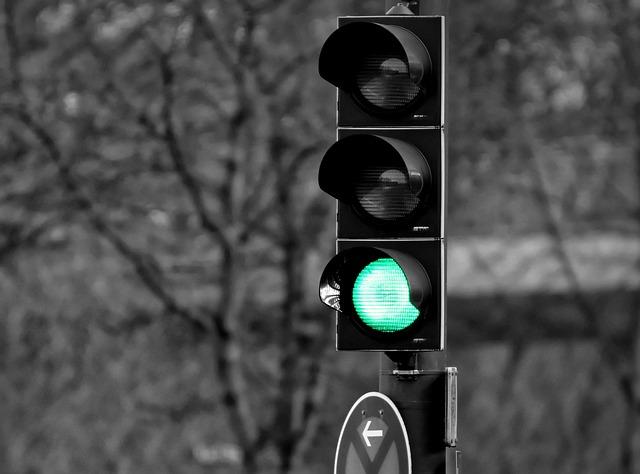
In recent years, the relationship between cyclists and motorists has become a contentious topic, often eliciting passionate debates on road safety and etiquette. A thought-provoking question arises within this discourse: should cyclists allow queues of cars to pass, or is it their right to claim their space on the road? This discussion has gained traction as more people turn to cycling for commuting and leisure, leading to increased interactions with vehicular traffic. Those in the cycling community are now reflecting on their past behavior, with some admitting to feelings of belligerence toward drivers. As urban landscapes evolve and infrastructure adapts to accommodate both cyclists and cars, we delve into the implications of this question, exploring viewpoints from cyclists, drivers, and road safety advocates. With tensions running high on often overcrowded roads, understanding the dynamics of these interactions may hold the key to a more harmonious coexistence between two vital modes of transportation.
Cyclists and Traffic: Navigating the Dilemma of Allowing Cars to Pass
As urban areas become increasingly congested, the question of whether cyclists should allow vehicles to pass is becoming more pressing. Advocates for cyclist safety argue that letting cars overtake can reduce frustration and potentially prevent dangerous situations on the road. However, many cyclists feel that the right to the road is paramount and that yielding to cars can diminish their visibility and assertiveness in the cycling community. This dilemma creates a nuanced debate involving safety, respect, and the dynamics of shared road use.
Recent studies indicate that traffic flow can be improved when cyclists make space for cars. Consider the following factors:
- Safety: Allowing cars to pass may reduce the risk of accidents, particularly in high-traffic areas.
- Traffic efficiency: Reducing idle time for cars can lead to smoother traffic flow, benefiting all road users.
- Community relations: Cyclists may foster better interactions with drivers by demonstrating a willingness to cooperate.
Ultimately, the decision to allow cars to pass may not only reflect personal choice but also a broader commitment to fostering a more harmonious traffic environment.
Assessing Safety: The Impact of Queueing on Cyclist Well-being
In urban environments where cyclists navigate alongside motor vehicles, the interplay of queueing often presents a complex dilemma. As cars accumulate behind a cyclist, questions arise about the safety implications for both parties. Cyclists face the challenge of assessing whether to maintain their lane and risk inciting frustration from drivers or to yield their position to allow traffic to flow. Research indicates that allowing vehicles to pass can enhance safety by reducing the likelihood of close encounters, yet it can also lead to feelings of vulnerability for cyclists who must navigate through dense traffic.
Moreover, this situation prompts a broader discussion about the societal perception of cyclists in traffic dynamics. The consequence of cyclists yielding to queues may inadvertently validate aggressive driving behaviors, leading to a cycle of belligerence against non-motorized road users. Key considerations include:
- The psychological impact of perceived threats from impatience or hostile gestures by drivers.
- The effect on cyclists’ confidence when they allow cars to overtake, potentially fostering a more cooperative road environment.
- The importance of clear communication between cyclists and motorists through signals and awareness of shared spaces.
| Situation | Impact on Cyclist | Recommendation |
|---|---|---|
| Allowing cars to pass | Increased feelings of vulnerability | Use hand signals and maintain visibility |
| Staying in lane | Encourages driver patience | Stay alert and be prepared for driver reactions |
Promoting Harmony: Strategies for Cyclists to Coexist with Motorists
As the number of cyclists on the road continues to rise, fostering a relationship based on respect and understanding between cyclists and motorists is crucial. One effective strategy for cyclists is to adopt a more accommodating approach at times, such as allowing queued cars to pass. This simple gesture can enhance road safety while also alleviating potential frustrations for all road users. By doing this, cyclists can demonstrate an understanding that the road is shared, thus paving the way for a more amicable coexistence. Some effective practices to consider include:
- Timing your movements: When safe, choose to ride in a way that allows vehicles to pass when there is a long line of cars behind you.
- Using clear signals: Indicate your intentions to stop or let vehicles pass clearly to minimize confusion.
- Staying aware: Maintain vigilance of your surroundings and be prepared to adjust your pace accordingly.
Moreover, creating positive interactions can also be beneficial. Cyclists should remember that their presence on the road is part of a larger community of users, each with their own stakes in road safety and efficiency. Engaging in proactive communication or using friendly gestures can sometimes defuse tension. To visualize the impact of cooperation, the following table outlines potential outcomes from improved cyclist-motorist interactions:
| Interaction | Result |
|---|---|
| Waving cars past | Reduced stress for motorists |
| Clear signaling | Increased safety for cyclists |
| Friendly nods | Enhanced mutual respect |
The Conclusion
In conclusion, the debate surrounding cyclists’ behavior in traffic highlights a broader conversation about road sharing and the mutual respect needed among all users. As many cyclists reflect on their past assertiveness, the call to allow cars to pass serves as both a safety measure and an opportunity for improved coexistence. It raises important questions about the dynamics of urban transport and the responsibility of each party to foster a more harmonious environment. As cities evolve and the number of cyclists continues to grow, finding a balance between assertiveness and accommodation will be crucial for ensuring the safety and comfort of everyone on the road. The future of urban mobility may very well hinge on how we choose to navigate these interactions, pointing toward a more collaborative approach in our shared spaces.