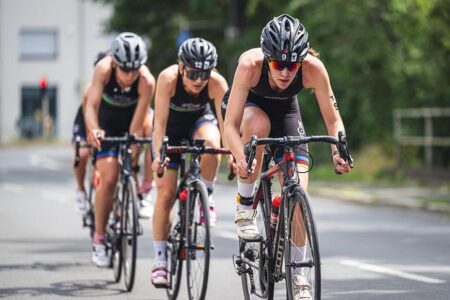
In the highly competitive world of women’s cycling, where every watt of power and ounce of endurance counts, one critical aspect often slips under the radar: nutrition and hydration. Despite the growing visibility of female cyclists and the sport as a whole, the significance of fueling the body effectively remains an under-recognized threat to performance and health. As athletes push their physical limits on the bike, balancing training demands with proper nutrition is essential to prevent fatigue, injuries, and long-term health issues. In an era where women’s cycling is gaining momentum and attention, it’s more important than ever for athletes, coaches, and support teams to prioritize and understand the intricate relationship between optimal nutrition, hydration strategies, and success in the saddle. This article delves into the critical need for awareness and education surrounding nutritional practices in women’s cycling, outlining how a lack of focus on these areas can undermine both the physical prowess and potential of female athletes.
Understanding the Nutritional Deficiencies Impacting Women Cyclists
The nutritional landscape for women cyclists is often overshadowed by general athletic dietary guidelines, leaving many female athletes unaware of specific deficiencies that could hinder their performance and overall health. Research indicates that women cyclists are particularly susceptible to deficiencies in iron, calcium, and vitamin D, which are critical for energy production, bone health, and muscle function. These deficiencies can lead to conditions such as anemia or osteoporosis, which may not only affect training outcomes but also long-term health. Thus, tailored nutritional strategies that address these gaps are essential for optimal performance during training and competition.
Furthermore, hydration is a crucial yet frequently neglected aspect of nutrition that affects female cyclists. Women typically have a higher percentage of body fat compared to men, resulting in different hydration needs during intense physical activity. Factors such as hormonal fluctuations can also influence hydration status, making awareness and tracking more necessary. Athletes must prioritize a robust hydration strategy that considers not only fluid intake but also electrolyte balance. The table below highlights key nutrients and the common symptoms of their deficiencies:
| Nutrient | Common Deficiencies | Symptoms |
|---|---|---|
| Iron | Vegetarian diets, insufficient intake | Fatigue, dizziness, shortness of breath |
| Calcium | Inadequate dairy intake, high activity levels | Weak bones, muscle cramps |
| Vitamin D | Lack of sun exposure, poor dietary sources | Bone pain, muscle weakness |
The Urgent Need for Tailored Hydration Strategies in Competitive Cycling
The physical demands of competitive cycling necessitate a comprehensive understanding of hydration strategies tailored to individual athletes. Research indicates that women cycling at high intensities experience unique hydration challenges that can impact performance and recovery. Factors such as body composition, metabolic rate, and perspiration rates vary significantly among athletes, underscoring the importance of personalized protocols. For instance, it’s essential for riders to be mindful of their specific fluid requirements based on the intensity and duration of their training sessions, as dehydration can lead to reduced power output and increased risk of injury.
Furthermore, the nutritional landscape accompanying hydration is critical. A well-structured hydration strategy should include not only water but also electrolytes and carbohydrates to replenish lost electrolytes and energy during rigorous events. Below are vital components to consider when developing a hydration plan:
- Electrolyte balance: Incorporate sodium and potassium to mitigate cramping and fatigue.
- Timing: Hydration should commence well before, during, and after rides.
- Customization: Monitor sweat rates and tailor fluid intake to identify individual needs.
In light of these factors, early intervention through tailored hydration strategies can optimize performance and ultimately transform the outcomes for women cyclists throughout their competitive journeys.
Innovative Approaches to Optimize Performance through Nutrition and Hydration
As the conversation around women’s cycling increasingly emphasizes performance optimization, nutrition and hydration emerge as pivotal areas that require attention. Female athletes, often facing unique physiological challenges, must tailor their nutritional strategies to enhance endurance, recovery, and overall performance. Key considerations include:
- Personalized Nutrition Plans: Athletes should engage with sports nutritionists to create individualized meal plans that cater to their specific energy demands and training regimens.
- Macronutrient Balance: A focus on the ideal ratio of carbohydrates, proteins, and fats can significantly affect energy levels and muscle recovery post-ride.
- Hydration Insights: Understanding fluid needs based on environmental conditions and exercise intensity is essential for maintaining peak performance.
Implementing innovative approaches such as periodic nutrient timing and strategic hydration interventions can offer considerable advantages. Recent studies highlight the importance of pre-ride nutrition, where athletes consume easily digestible carbohydrates about an hour before training. Additionally, utilizing electrolyte-infused hydration methods during longer rides can aid in sustaining energy levels and preventing fatigue. A comparison of hydration methods might look like this:
| Hydration Method | Benefits |
|---|---|
| Plain Water | Essential for basic hydration needs, especially in mild conditions. |
| Electrolyte Drinks | Restores essential minerals lost through sweat; ideal for intense or prolonged exercise. |
| Sports Drinks with Carbs | Provides energy and aids in hydration; beneficial during extended rides. |
Future Outlook
As the conversation around women’s cycling continues to evolve, it becomes increasingly clear that nutrition and hydration are crucial components often overshadowed by more prominent issues. The insights shared by athletes and experts in the field underscore the pressing need for athletes to prioritize these elements, which can significantly impact performance and overall health. With the growth of women’s cycling, it is essential to advocate for better education, resources, and support regarding nutrition and hydration strategies. As the sport strives for recognition and equality, ensuring that athletes are equipped to meet the unique demands of competition is vital. As we move forward, prioritizing the health of female cyclists will not only enhance their performance but also contribute to the longevity and success of women’s cycling as a whole. The time to act is now; only through collective awareness and action can we address this under-recognized threat and pave the way for a healthier, more competitive future in the sport.