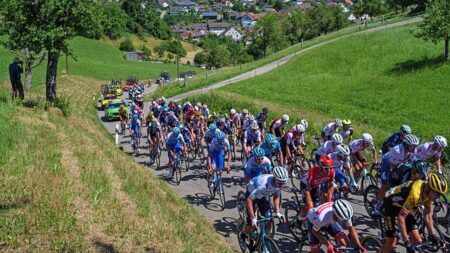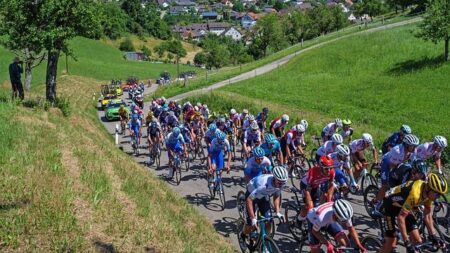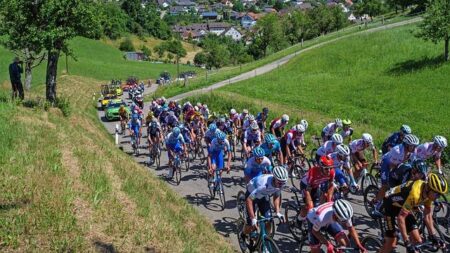
In a thrilling display of team dynamics and individual prowess, Lorena Wiebes, the reigning champion of the Milan-San Remo Women’s race, embraced her role in a collective victory as teammate Lotte Kopecky secured the prestigious title this year. Wiebes, known for her sprinting capabilities and competitive spirit, shifted her focus from personal ambition to supporting her team’s strategy during the iconic one-day race. As SD Worx-Protime continues to dominate the women’s cycling scene, Wiebes’ commitment to teamwork and her acknowledgment of Kopecky as “the Plan A” underline a profound evolution in modern cycling, where success is often measured by collaboration over individual accolades. This article delves into the nuances of their partnership, highlights Kopecky’s impressive win, and examines the implications of teamwork in professional cycling today.
Defending Champion Embraces Team Dynamics in Lotte Kopecky’s Milan-San Remo Victory
In a dazzling display of teamwork, Lorena Wiebes showcased her commitment to the collective goals of SD Worx-Protime, allowing Lotte Kopecky to seize victory at this year’s Milan-San Remo. Although Wiebes is known for her own fierce competitiveness and skill, she willingly embraced a supporting role, emphasizing that “she was the Plan A.” By prioritizing her teammate’s strategy, Wiebes not only reinforced the strength of the squad but also underlined the importance of unity in achieving success. Her selflessness has been pivotal in sculpting the team’s dynamic, drawing admiration from fans and competitors alike.
The race marked yet another triumph for SD Worx-Protime, reflecting a carefully crafted plan executed flawlessly on the day. As Wiebes had predicted, strong communication and trust among the riders were essential in navigating the challenges of the course. Key moments of the race included:
- Strategic Positioning: The teammates stayed close early on, maintaining an ideal positioning for potential attacks.
- Masterful Pacing: Wiebes helped control tempo in the crucial sections, setting up Kopecky for her final push.
- Final Sprint Coordination: A seamless handover in the last kilometers showcased their impeccable teamwork.
| Rider | Role | Key Contribution |
|---|---|---|
| Lorena Wiebes | Support | Controlled race pace |
| Lotte Kopecky | Leader | Secured victory |
| Other Team Members | Support | Provided shelter and coverage |
Lorena Wiebes Prioritizes Team Success Over Individual Glory in Cycling’s Elite Competition
In a display of unwavering commitment to team dynamics, Lorena Wiebes embraced her role within the SD Worx-Protime squad, showcasing a selfless attitude at this year’s Milan-San Remo Women. While many riders chase individual accolades, Wiebes prioritized the collective success of her team over personal glory. Her strategy involved crucial support for teammate Lotte Kopecky, who ultimately secured the prestigious victory. This approach not only highlights Wiebes’s depth as a competitor but also underscores the increasingly collaborative nature of elite cycling.
The decision to focus on teamwork rather than individual recognition is a growing trend in the sport. Wiebes articulated her feelings about her role, stating that teamwork is essential for triumph in such a competitive environment. Key elements of her team-oriented philosophy include:
- Understanding Strategy: Wiebes carefully analyzed the race’s dynamics and adapted her tactics accordingly.
- Supporting Teammates: She played a vital role in ensuring that Kopecky had the best possible chance to win.
- Promoting Team Cohesion: Wiebes fostered a strong sense of unity among team members, enhancing overall performance.
Strategic Roles in Women’s Cycling: Lessons from SD Worx-Protime’s Winning Formula
In the high-stakes world of women’s cycling, teamwork often distinguishes champions from contenders. SD Worx-Protime exemplifies this collaborative spirit, particularly highlighted during Lotte Kopecky’s thrilling victory at the iconic Milan-San Remo. The team’s strategic planning and execution allowed for a seamless integration of both established and emerging talents. Lorena Wiebes, last year’s champion, demonstrated her adaptability by stepping back and prioritizing the team’s objectives, proving that a successful athlete doesn’t just focus on personal glory but also on contributing to the collective success.
This dynamic strategy can be further understood through the roles played within the team. Key components of their winning formula include:
- Clear Roles: Each rider understands their specific responsibilities, whether it’s leading the pack, setting the pace, or providing vital support.
- Open Communication: Continuous dialogue among team members fosters trust and promotes dynamic decision-making during races.
- Supportive Leadership: The backing from coaches and management ensures that each athlete feels valued and empowered to contribute.
These elements not only enhance the team’s performance but also create a resilient environment where riders can thrive individually and collectively.
In Conclusion
In the highly competitive landscape of women’s cycling, Lorena Wiebes has showcased her commitment to teamwork and resilience, embodying the spirit of SD Worx-Protime. As the defending champion stepped into a supportive role during Milan-San Remo, she underscored the importance of collaboration in achieving collective success. With Lotte Kopecky crossing the finish line first, Wiebes’ willingness to adapt her own ambitions for the greater good of the team reflects a mature athlete focused not just on personal glory but on the triumph of the squad. As the season unfolds, the synergy within SD Worx-Protime is poised to set the stage for even more historic victories, reinforcing the notion that, in cycling, a strong team often proves to be the ultimate plan.