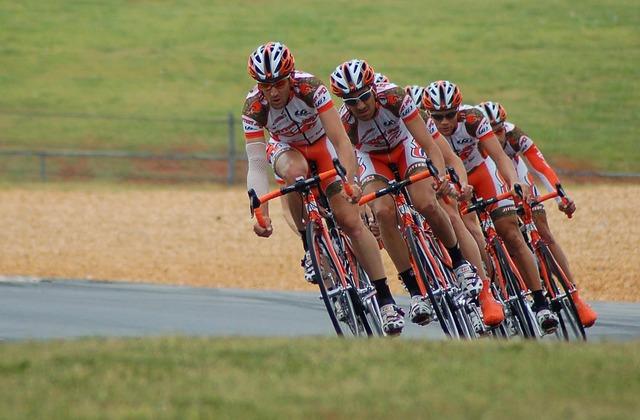
In a surprising turn of events just weeks ahead of the much-anticipated Paris-Roubaix, the Union Cycliste Internationale (UCI) has implemented a controversial ban on specific wheel technologies, leaving teams, sponsors, and cyclists grappling with the implications. Among those taken aback by the decision is Visma-Lease a Bike, a team known for its innovation and competitive edge in the cycling world. The sudden prohibition, announced with little warning, has raised questions about its impact on team strategy and performance in one of cycling’s most prestigious races. With the clock ticking down to the event, the cycling community watches closely as Visma-Lease a Bike and other teams adapt to this new reality, highlighting the delicate balance between technology and tradition in the sport.
Visma-Lease a Bike Responds to Last-Minute UCI Wheel Technology Ban
In a surprising and contentious move, the UCI has announced a ban on certain wheel technologies, sending shockwaves through the cycling community and specifically affecting teams like Visma-Lease a Bike. Just two weeks ahead of the grueling Paris-Roubaix race, the decision has left team officials and riders grappling with the implications. Team director, believed to be at the forefront of innovation, expressed their disbelief over the timing and execution of the announcement, stating it is both unfair and counterproductive for teams who have invested heavily in wheel technology. The abrupt edict has raised numerous questions about the governing body’s rationale and the fairness of implementing such regulations without sufficient lead time.
The team outlined several key concerns regarding the ban, highlighting the following points of contention:
- Competitive Disadvantage: Teams that had strategically prepared utilizing the banned technology are now left scrambling to adapt with minimal resources.
- Safety Issues: Riders may be at risk if forced to revert to older wheel designs that do not provide the same safety standards.
- Innovation Stifling: The decision may hinder future technological advancements within the sport.
Amid this chaos, Visma-Lease a Bike is actively considering its options and will work to ensure that they are adequately prepared for one of the most prestigious races on the cycling calendar. While the team remains committed to excellence, the sudden changes leave them wondering how to navigate the precarious landscape of evolving regulations. As Paris-Roubaix approaches, the team must quickly regroup and refocus to deliver a solid performance, despite the unexpected hurdles.
Implications for Competitive Edge in Paris-Roubaix
The recent decision by the UCI to implement a ban on specific wheel technologies just weeks ahead of the iconic Paris-Roubaix race has reshaped the competitive landscape for teams like Visma-Lease a Bike. This unexpected move has forced teams to rapidly reassess their pre-race strategies and equipment choices. As riders gear up for the challenging cobbled terrain of northern France, teams must now consider how to effectively adapt to this new environment while still maximizing performance.
Key implications of this technological shift include:
- Equipment Re-evaluation: Teams may need to modify their bike setups, opting for traditional wheels that provide stability over innovation that could enhance speed.
- Increased Pressure on Team Dynamics: With less time to adjust to new specifications, coordination among riders and support staff becomes crucial.
- Strategic Focus on Rider Strengths: Teams like Visma-Lease a Bike might emphasize rider endurance and skill on rough terrains rather than relying on high-tech gadgets.
This ban could potentially level the playing field, especially for teams that excel in classic racing conditions. With varied conditions expected, understanding and mastering the cobbled sections could prove decisive, and that’s where experienced riders will shine. Adapting to the ban will not only take technical adjustments but also a significant mental shift, emphasizing resilience and tactical prowess in this historic race.
Recommendations for Teams Navigating the Regulatory Shift
As teams grapple with the recent regulatory changes from the UCI, it is crucial to adopt a proactive approach to ensure compliance and maintain competitive performance. Clear communication among team members regarding the implications of the wheel tech ban is essential. Establishing regular meetings to discuss adjustments to race strategy, equipment specifications, and potential partnerships can enhance your team’s adaptability. Additionally, devising a comprehensive compliance checklist will help in streamlining the process of integrating new regulations into training and racing schedules.
Equally important is the assessment of alternative technologies and tuning strategies to compensate for the losses incurred by the regulation changes. Teams should consider the following strategies:
- Research Collaborations: Partner with technology experts and engineers to explore innovative wheel designs that abide by the new rules.
- Training Adjustments: Modify training programs to enhance rider performance tailored to new wheel characteristics.
- Data Analysis: Utilize performance data from past races to inform strategies that adapt to the regulatory changes.
| Focus Area | Action Items |
|---|---|
| Team Communication | Regular meetings, compliance updates |
| Technology Assessment | Research potential alternatives |
| Performance Optimization | Adjust training based on new technology |
To Conclude
As the cycling world braces for the repercussions of the UCI’s unexpected wheel technology ban, Visma-Lease a Bike finds itself at the center of controversy and confusion. Just weeks away from one of the sport’s most prestigious events, Paris-Roubaix, the timing of this decision raises questions about the regulatory body’s approach to innovation in cycling. With teams scrambling to adapt their strategies and equipment, the implications of this ruling could resonate far beyond the cobbled streets of northern France. As we await further developments, all eyes will be on how this situation unfolds and its potential impact on the race and the broader cycling community. The coming days will prove crucial in determining how the teams respond and what this means for the future of wheel technology in competitive cycling.