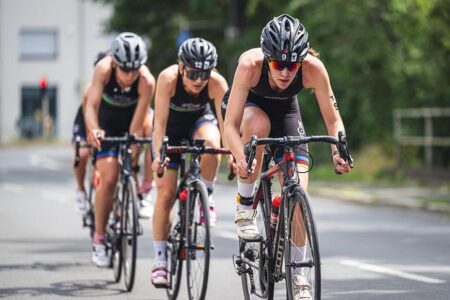
In a stunning display of strategy and tenacity, Franziska Koch triumphed at the highly anticipated Paris-Roubaix Femmes, outmaneuvering cycling legends Marianne Vos and Pauline Ferrand-Prévot to secure the most significant victory of her career. As the elite women faced the iconic cobbled sections of the race, Koch’s tactical acumen shone through, allowing her to seize the moment in a contest that promised excitement from start to finish. This year’s edition of the prestigious one-day race not only showcased the rising stars of women’s cycling but also marked a pivotal moment in Koch’s journey, cementing her status as a formidable competitor on the international stage.
Franziska Koch’s Tactical Mastery in Paris-Roubaix Femmes
In a breathtaking display of strategy and endurance, Franziska Koch showcased her tactical brilliance during the grueling Paris-Roubaix Femmes. As the race unfolded, she remained composed while monitoring the movements of her rivals, particularly the legendary Marianne Vos and the formidable Pauline Ferrand-Prévot. Koch’s keen eye for opportunity became evident as she executed a masterful attack, leveraging the cobbled sections of the route to create an insurmountable gap. The carefully orchestrated maneuver highlighted her understanding of race dynamics, which ultimately allowed her to seize the moment and take the coveted lead.
Koch’s victory was not just about physical prowess; it was a testament to her strategic acumen. She deftly conserved energy during pivotal moments, allowing her competitors to exhaust themselves on the demanding terrain. Key factors contributing to her success included:
- Intelligent pacing: Koch maintained a steady effort, avoiding early fatigue.
- Positioning in the peloton: She navigated the pack skillfully, staying out of potential trouble.
- Timing her attacks: Koch launched her decisive move when others were least prepared.
Her ability to outwit seasoned opponents in such a high-stakes environment underscores her potential as one of cycling’s rising stars. The victory at Paris-Roubaix Femmes marks a significant milestone in her career, setting the stage for what could be an exciting future in competitive cycling.
Marianne Vos and Pauline Ferrand-Prévot: Analyzing the Stumbling Blocks
In an unexpected turn of events during the Paris-Roubaix Femmes, both Marianne Vos and Pauline Ferrand-Prévot faced challenges that hindered their performance against Franziska Koch. Despite entering the race as the favorites, Vos, a seasoned champion, struggled to maintain her usual dominance. Factors contributing to her downfall included:
- Tactical Misjudgments: Vos may have overestimated her rivals’ capabilities, underestimating Koch’s strategic planning.
- Physical Strain: An early effort to break away from the pack seemed to deplete her energy reserves.
- Race Conditions: The unpredictable terrain and weather played a pivotal role, affecting even the most skilled athletes.
On the other hand, Ferrand-Prévot, known for her competitive spirit, was thwarted by a series of unfortunate events. Key stumbling blocks included:
- Mechanical Issues: A minor but frustrating bike malfunction led to moments of hesitation during crucial points of the race.
- Positioning Errors: She found herself at the back of the leading group during pivotal turns, making it difficult to capitalize on opportunities.
- Injuries: Recent injuries appeared to limit her acceleration abilities, affecting her overall performance throughout the course.
Future Implications for Women’s Cycling Following Koch’s Historic Victory
Franziska Koch’s remarkable victory at Paris-Roubaix Femmes marks a watershed moment for women’s cycling, igniting discussions about the future trajectory of the sport. This victory over seasoned champions like Marianne Vos and Pauline Ferrand-Prévot not only highlights Koch’s prowess but also underscores the growing competitiveness in women’s cycling. As the racing landscape continues to evolve, stakeholders will increasingly focus on enhancing opportunities for female cyclists, including:
- Investment in Women’s Teams: Boosting sponsorships and funding to ensure sustainable growth and visibility.
- Development of Competitive Events: Expanding the calendar of major races to elevate the format and attract more spectators.
- Media Coverage: Increasing broadcast and digital coverage to raise awareness and fan engagement.
Koch’s victory could serve as a catalyst for change, setting a precedent for young riders who look to her as a role model. It may also inspire cycling federations and organizations to prioritize women’s events, improving infrastructure and support systems for emerging talents. Here are some potential outcomes we might witness in the near future:
| Implication | Details |
|---|---|
| Increased Participation | More girls and women may pursue cycling as a competitive sport. |
| Enhanced Sponsorship Deals | Larger brands may shift focus to include women’s cycling programs. |
| Global Competitions | Emerging races could be introduced globally, promoting wider talent discovery. |
Key Takeaways
In a thrilling conclusion to this year’s Paris-Roubaix Femmes, Franziska Koch emerged as a formidable force, skillfully outmaneuvering cycling legends Marianne Vos and Pauline Ferrand-Prévot to secure the most significant victory of her career. This stunning performance not only highlights Koch’s burgeoning talent but also signals a shift in the competitive landscape of women’s cycling. As fans celebrate this momentous achievement, the implications for the upcoming races are clear: Koch’s win has reshaped the narrative, placing her firmly in the spotlight as a contender to watch. With the cobblestones of Roubaix now behind her, all eyes will be on Koch as she continues to make her mark in the sport.