

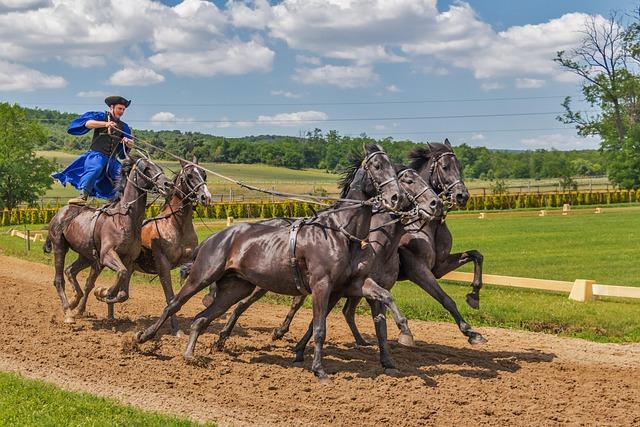
The Triple Crown stands as one of the most prestigious and challenging achievements in the world of sports, capturing the imagination of fans across the globe. Whether in horse racing, baseball, or another field, securing the Triple Crown signifies a rare level of excellence and consistency. This article delves into the history, significance, and contemporary relevance of the Triple Crown, exploring what it takes for athletes and teams to rise above the competition and etch their names into sporting legend.
Origins and Historical Significance of the Triple Crown in Horse Racing
The concept of the Triple Crown in horse racing emerged during the early 20th century as a way to celebrate the extraordinary achievement of winning three prestigious races consecutively. Although the term gained widespread popularity in the United States, its roots can be traced back to British racing traditions, where three classic races for three-year-olds – the 2,000 Guineas, the Epsom Derby, and the St. Leger Stakes – were linked as a distinguished series. In America, the Triple Crown comprises the Kentucky Derby, Preakness Stakes, and Belmont Stakes, each testing the horse’s speed, endurance, and versatility over various distances and tracks.
Over the decades, capturing the Triple Crown has become a symbol of equine excellence and racing prowess, often defining the legacy of a horse and its connections. The rarity of this feat underscores its historical significance, with only a select few horses immortalized in racing history for accomplishing it. Key factors contributing to its revered status include:
- The varied racing conditions challenging adaptability.
- The grueling schedule demanding peak performance over five weeks.
- The prestige and financial rewards elevating breeding and sporting value.
| Race | Location | Distance | Year Established |
|---|---|---|---|
| Kentucky Derby | Churchill Downs | 1¼ miles | 1875 |
| Preakness Stakes | Pimlico Race Course | 1 3/16 miles | 1873 |
| Belmont Stakes | Belmont Park | 1½ miles | 1867 |
Key Challenges Faced by Competitors in Pursuit of the Triple Crown
Competitors aspiring to clinch the illustrious Triple Crown are met with a grueling gauntlet of obstacles that test every facet of their skill and endurance. The intense scheduling demands, for instance, require participants to maintain peak performance across diverse tracks and climates in rapid succession. Weather unpredictability can significantly alter track conditions, forcing riders and their mounts to adapt swiftly or risk a detrimental outcome. Physical stamina and mental resilience become paramount as the relentless pace leaves little room for recovery, increasing the risk of injury or burnout.
Moreover, strategic challenges loom large, involving tight competition from equally dedicated contenders. Key hurdles include:
- Navigating varied terrains: Each race presents unique obstacles, from dirt to turf, demanding versatile techniques.
- Balancing aggressive racing with preservation: Competitors must push hard without exhausting vital resources too early.
- Managing team dynamics: Efficient communication with trainers, jockeys, and support crews is critical.
- Media and public pressure: Intense scrutiny can impact focus and performance under pressure.
| Challenge | Impact | Key Factor |
|---|---|---|
| Rapid Recovery Time | Risk of fatigue, injury | Physical conditioning |
| Variable Weather | Track performance fluctuation | Adaptability |
| Strategic Competition | Margin for error decreases | Tactical planning |
| Psychological Pressure | Mental strain | Focus and mindset |
Expert Strategies and Training Recommendations for Aspiring Triple Crown Contenders
Mastering endurance and speed is pivotal for any Triple Crown hopeful. Trainers emphasize a balanced regimen that prioritizes interval training to build both aerobic capacity and muscle power. Young contenders benefit immensely from early conditioning that simulates race conditions, preparing them physically and mentally for the grueling distances ahead. Additionally, strategic rest days and nutrition tailored to support rapid recovery are crucial components, ensuring horses maintain peak form throughout the intense racing schedule.
Beyond physical preparation, many top trainers advocate for developing mental toughness through controlled exposure to crowd noise and track environments. Incorporating visualization techniques for jockeys and consistent handling routines can enhance a horse’s confidence and focus on race day. The table below outlines a sample weekly training breakdown commonly adopted by elite Triple Crown candidates:
| Day | Training Focus | Duration | Key Notes |
|---|---|---|---|
| Monday | Long Slow Distance Gallop | 45-60 minutes | Builds aerobic base |
| Tuesday | Interval Sprints | 6 x 400m | Improves speed and recovery |
| Wednesday | The Way Forward As the legacy of the Triple Crown continues to captivate racing enthusiasts around the world, its blend of history, challenge, and unparalleled achievement remains unmatched in the sport of horse racing. Whether celebrated for its thrilling upsets or its triumphant victors, the Triple Crown endures as a symbol of equestrian excellence and a testament to the enduring spirit of competition. Fans and participants alike will undoubtedly watch closely as future contenders vie to etch their names into this prestigious chapter of racing history. Related Posts    |