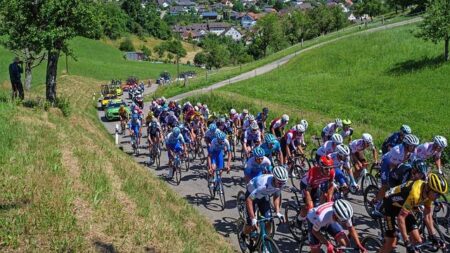
In the rolling hills and lush landscapes of the Pacific Northwest, a movement is gaining momentum, one that aims to break down barriers and foster inclusivity in the cycling community. From bustling urban centers to remote trails, women across the region are uniting to promote an environment where everyone-regardless of gender, race, or ability-can enjoy the freedom and empowerment that cycling provides. Through grassroots initiatives, community rides, and advocacy efforts, these dedicated individuals are not only reshaping the narrative around cycling but also challenging societal norms and creating safe spaces for all cyclists. In this article, we explore how Northwest women are leading the charge to make cycling more inclusive and accessible, highlighting their inspiring stories and the profound impact they are having on the local landscape.
Empowering Communities Through Inclusive Cycling Initiatives
Across the Pacific Northwest, women are breaking barriers and embracing the freedom of cycling through inclusive initiatives designed to foster community engagement and accessibility. Local organizations are working tirelessly to create safe spaces where individuals of all backgrounds can explore the joys of biking, removing traditional stigma and obstacles. Programs are focusing on diverse groups, particularly women and marginalized communities, ensuring that cycling isn’t just a sport for the privileged but a liberating activity that enriches everyday life.
Collaboration is at the heart of these grassroots movements. Events, such as group rides and skill-building workshops, are offering participants the chance to not only learn about cycling but also to connect with like-minded individuals. Key components of these initiatives include:
- Community Outreach: Engaging local residents to understand their needs and barriers.
- Free Workshops: Providing training on bike maintenance, safety, and navigation.
- Support Networks: Establishing mentorship programs for new cyclists.
As interest in cycling continues to grow, so too does the need for leaders who represent the diverse voices within our communities. By prioritizing inclusivity, these initiatives are not just getting people on bikes; they are fostering a sense of belonging and empowerment that redefines what it means to be a cyclist.
Building Safe and Accessible Routes for All Cyclists
As the cycling community in the Northwest continues to expand, addressing the diverse needs of all cyclists has become paramount. The push for safe and accessible cycling routes underscores a commitment to inclusivity that resonates with local initiatives. Women advocates are taking the lead by lobbying for infrastructure improvements, such as:
- Protected bike lanes that separate cyclists from vehicle traffic
- Improved signage that directs cyclists to safe routes
- Well-maintained paths that accommodate riders of all skill levels
Engagement with community members highlights the importance of collaboration in designing these routes. Local governments have responded to the advocacy by hosting forums and workshops to gather input directly from cyclists. Plans to implement features like:
| Feature | Benefit |
|---|---|
| Lighting along routes | Enhances safety during evening rides |
| Access ramps | Facilitates entry for cyclists with disabilities |
are being prioritized, showcasing a shift toward an inclusive environment that supports a vibrant cycling community for everyone.
Creating Support Networks to Foster Participation Among Women
In an effort to create a more inclusive cycling culture, women across the Pacific Northwest are banding together to form supportive networks that encourage participation and empowerment. These groups are not just about riding bikes; they focus on building community and offering a safe space for women to engage in outdoor activities. Initiatives include mentorship programs, group rides, and workshops where experienced cyclists share tips on bike maintenance and safety.
Among the most innovative approaches are initiatives aimed at bridging gaps in accessibility and resources. Local organizers are identifying ways to elevate less heard voices in the cycling community, and they are committed to making cycling more appealing to beginners. Some of the strategies include:
- Community events that are family-friendly.
- Partnerships with local shops to provide affordable gear.
- Social media campaigns highlighting women cyclists’ stories.
- Creating safe routes and maps that cater to varying skill levels.
Future Outlook
In conclusion, the initiative to promote inclusive cycling among Northwest women stands as a testament to the power of community and advocacy. As local organizations work tirelessly to dismantle barriers and foster an environment where individuals of all backgrounds can enjoy cycling, the impact of their efforts is already being felt across the region. Through workshops, group rides, and educational programs, these women are not just shifting gears on their bicycles but are also driving a broader cultural change in the cycling community. As more people join the movement, the hope is that cycling will become a truly accessible and welcoming activity for everyone, paving the way for healthier lifestyles and stronger connections within the community. Oregon Public Broadcasting will continue to follow this evolving story, highlighting the voices and experiences that define this transformative journey.