In the world of professional cycling, the Tour de France often heralds moments of individual brilliance and strategic duels that capture the imagination of fans and analysts alike. While Tadej Pogačar’s dominance in the yellow jersey has been the focal point of this year’s race, Stage 17 presented a thrilling spectacle that drew attention away from the overall classification to the fiercely competitive battle for the points classification. With sprinters and climbers alike vying for coveted points, the stage delivered not just a race of speed, but a complex interplay of tactics and teamwork. As stakes rose and fortunes shifted, the drama and excitement of the points battle provided a captivating counterpoint to Pogačar’s reign at the forefront. In this analysis, we delve into the dynamics of Stage 17, exploring how the pursuit of the green jersey transformed the ride into a thrilling contest that reminded spectators why the beauty of cycling lies in its unpredictability.
The Thrill of the Points Battle: Analyzing Stage 17’s Strategic Dynamics
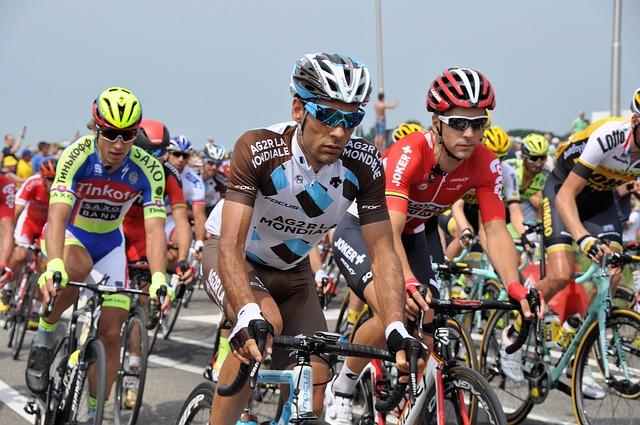
The points battle during Stage 17 of the Tour de France electrified viewers, showcasing a tactical face-off that put strategy over sheer power among the sprinters. As the peloton approached the final kilometers, riders jostled for position with an intensity that highlighted their varying approaches to the race. Jasper Philipsen, dominating the sprint, and Wout van Aert, always a formidable competitor, became central figures in this chess match on wheels. Each rider was not just racing for a stage win but for crucial points that could shift the leaderboard dramatically, making for a thrilling spectacle that kept fans at the edge of their seats.
Strategic alliances also played a key role in shaping the outcome, as some riders opted to sacrifice personal glory to support teammates in chasing points. This dynamic was evident when groups formed to control the pace and positioning, demonstrating that teamwork could outweigh individual prowess in this relentless contest. Key factors included:
- Positioning: Riders who made smart decisions in positioning early in the stage often found themselves well-placed for the final sprint.
- Tactical Retreats: Some sprinters chose to hold back, ensuring they conserved energy for a more focused attack when it mattered most.
- Point Allocation: Understanding how points were distributed for both stage finishes and intermediate sprints shaped the riders’ meeting strategies.
Key Players and Tactics: How the Rivals Shaped the Points Contest
In the intense backdrop of stage 17, several cyclists emerged as key players in the points contest, showcasing not just their physical prowess but tactical brilliance as well. Wout van Aert, with his impressive sprinting abilities, took the forefront by aggressively targeting intermediate sprints, accumulating points that set him apart from his rivals. Meanwhile, Mark Cavendish, renowned for his expertise in stage finishes, demonstrated strategic racing by positioning himself perfectly in the peloton, ready to capitalize on any missteps from his competitors. These veterans were not just relying on their speed but weaving intricate tactics that kept not only the fans but also their fellow competitors on their toes.
The tactical battles unfolded through well-orchestrated team efforts, where teamwork played a pivotal role in the points contest. Teams like Jumbo-Visma and Quick-Step Alpha Vinyl strategically placed their riders at key junctions throughout the stage, ensuring that their top sprinters could secure maximum points. Below is a brief overview of how the prominent players and their tactics played out:
| Rider | Team | Points Secured | Tactical Move |
|---|---|---|---|
| Wout van Aert | Jumbo-Visma | 45 | Attacked ahead during intermediate sprints |
| Mark Cavendish | Quick-Step Alpha Vinyl | 40 | Perfect positioning for finale sprint |
| Peter Sagan | TotalEnergies | 30 | Challenged in crucial climbs |
Recommendations for Future Stages: Learning from the Intensity of Stage 17
As we reflect on the thrilling points battle during Stage 17, several key recommendations emerge for future stages of the Tour de France. The intensity of the competition not only kept fans on the edge of their seats, but it also showcased the importance of tactical play and strategic alliances among cyclists. Moving forward, organizers should consider the following approaches to enhance the excitement of future stages:
- Increase Point Opportunities: By introducing more sprint zones and hilltop finishes, the race can incentivize climbers and sprinters to engage more aggressively for points.
- Highlight Rivalries: Promoting existing rivalries through media coverage can elevate the stakes and draw in more spectators, creating an environment ripe for dramatic showdowns.
- Dynamic Team Strategies: Encourage teams to develop innovative strategies that go beyond the typical “lead out” methods, focusing on collaboration to achieve personal and team goals.
Moreover, analyzing the impact that sprint points had on the overall race dynamics reveals the potential for rule adjustments to amplify competition. For instance, modifying the point system by introducing bonuses for early leaders in stages may lead to increased aggression and unpredictability in outcomes. The following table summarizes potential points adjustments based on varying stage profiles:
| Stage Type | Current Points (1st, 2nd, 3rd) | Proposed Points (1st, 2nd, 3rd) |
|---|---|---|
| Sprint Finish | 50, 30, 20 | 60, 40, 30 |
| Mountain Stage | 30, 20, 10 | 40, 25, 15 |
| Mixed Terrain | 25, 15, 5 | 35, 20, 10 |
In Retrospect
In conclusion, while Tadej Pogačar’s quest for the yellow jersey continues to capture headlines, it was the thrilling points battle during Stage 17 of the Tour de France that truly stole the show. With tactics, resilience, and fierce competition on display, the stage served as a reminder of the multifaceted nature of the Tour, where victories are measured not just in overall standings, but also in the pursuit of glory across various classifications. As riders pushed their limits for every point on offer, fans were treated to a riveting spectacle that highlighted the dynamic and unpredictable spirit of professional cycling. As the race progresses, eyes will remain peeled not only on the yellow jersey but also on the fiercely contested sprint jerseys-a testament to the raw excitement that defines this iconic race.