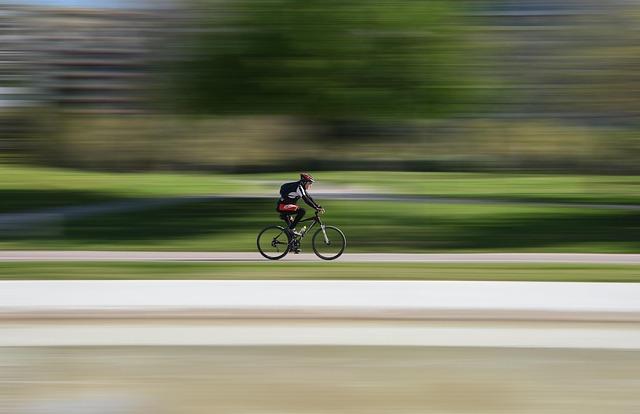
As Europe swelters under an unprecedented heatwave, the age-old traditions of outdoor sporting events are being put to the test. Among these, the iconic Tour de France stands at the forefront, drawing not just cyclists from around the globe but also thousands of spectators eager to witness this grueling test of endurance and competition. However, with temperatures soaring and health risks escalating, the way we engage with such races deserves a critical reevaluation. Should our passion for live spectating be tempered with a renewed focus on safety and sustainability? As temperatures rise, so too does the urgency to explore how we can adapt our viewing practices to ensure both the well-being of fans and the athletes who bravely navigate the mountainous terrain. This article delves into the implications of climate change on outdoor sports, the necessity of altering spectator habits, and the future of events like the Tour de France in an ever-warming world.
Reevaluating Spectator Safety Amid Rising Temperatures at Major Cycling Events
The summer months in Europe have become increasingly unforgiving, with rising temperatures prompting a pressing need to rethink how we approach spectator safety at major cycling events. As fans flock to streetsides to catch glimpses of their favorite athletes during iconic races like the Tour de France, the risk of heat-related illnesses escalates. Organizers must now prioritize measures that not only enhance the viewing experience but also ensure the well-being of spectators. Key considerations include:
- Implementing shaded viewing areas along the route.
- Providing hydration stations stocked with water and electrolyte drinks.
- Utilizing technology to inform fans of real-time temperature updates and potential heat advisories.
- Encouraging fans to wear protective clothing and hats.
Moreover, the scheduling of races could be adjusted to account for peak temperatures, shifting start times to the cooler hours of the morning or evening. This change would not only enhance the safety of fans but also elevate the overall atmosphere of the event. A comparative analysis of temperature trends at past events reveals an alarming upward trajectory, underscoring the urgency of adapting to current environmental conditions. The following table illustrates the average temperatures during the Tour de France over the last five years:
| Year | Average Temperature (°C) |
|---|---|
| 2019 | 28 |
| 2020 | 29 |
| 2021 | 30 |
| 2022 | 32 |
| 2023 | 33 |
Innovative Solutions for Sustainable Spectating at the Tour de France
As the fervor of bike racing continues to capture the hearts of millions, the environmental impact of large-scale events like the Tour de France cannot be overlooked. With rising concerns about climate change and the toll taken by mass gatherings, innovative approaches to spectatorship are essential. Adopting green transportation options for fans is one way to mitigate the carbon footprint. Local public transport systems can be expanded, offering discounted fares to race attendees. Moreover, ensuring accessible cycling paths to event sites promotes an eco-friendly way of engaging with the race, encouraging enthusiasts to choose pedaling over driving. We could see initiatives such as shuttle services using electric buses, which would significantly reduce emissions while enhancing the overall experience.
Additionally, the use of technology can revolutionize how spectators experience the race without being present in person. Virtual reality setups could allow fans to tune in from anywhere, providing a first-hand racing experience while minimizing physical presence at the event. Furthermore, implementing digital ticketing and cashless transactions reduces waste and allows for streamlined entry procedures. Pop-up pop-up viewing zones along the route can include solar-powered screens where fans can gather sustainably, contributing to a vibrant atmosphere without overcrowding areas. Implementing these sustainable strategies could redefine how we engage with the sport while maintaining the integrity and excitement of the Tour de France.
The Role of Local Communities in Shaping a Climate-Conscious Cycling Culture
Local communities have emerged as pivotal players in fostering a climate-conscious cycling culture, particularly as outdoor events like bike races gain prominence. Their involvement is not limited to supporting the riders but extends to implementing sustainable practices that resonate with environmental stewardship. Initiatives spearheaded by community members include:
- Organizing bike repair workshops to promote maintenance and longevity of bicycles, reducing the need for new purchases.
- Creating safe cycling routes that encourage more people to swap cars for bikes, thereby lowering carbon footprints.
- Hosting eco-friendly events during bike races, such as recycling stations and local food markets that emphasize sustainability.
The integration of bicycle culture within localities can be bolstered by collaborative efforts between municipal authorities and community groups. For instance, some towns along major cycling routes have embraced a model of community-supported racing, which not only enhances local engagement but also emphasizes a collective approach to climate action. In many regions, this has manifested in:
| Community Initiative | Impact |
|---|---|
| Bike-sharing programs | Accessible transportation, reduced emissions |
| Environmental awareness campaigns | Increased public knowledge and participation |
| Investment in green spaces | Enhanced cycling environment, improved air quality |
Final Thoughts
As Europe grapples with unprecedented heatwaves, the way we engage with cycling events like the Tour de France warrants a critical reassessment. The soaring temperatures not only pose risks to the athletes but also to the spectators who flock to support them. Reevaluating our approach to spectating could enhance the experience while prioritizing safety and sustainability. From seeking shaded viewing areas to adopting innovative technology for remote participation, the cycling community has the opportunity to adapt and thrive in a changing climate. As the Tour de France gears up for another edition, it invites us all-fans, organizers, and participants alike-to contemplate how we can enjoy this storied race without sacrificing our health or the environment. The challenge ahead is not just about racing against the clock but also racing towards more responsible and thoughtful ways to celebrate the sport we love.