Introduction
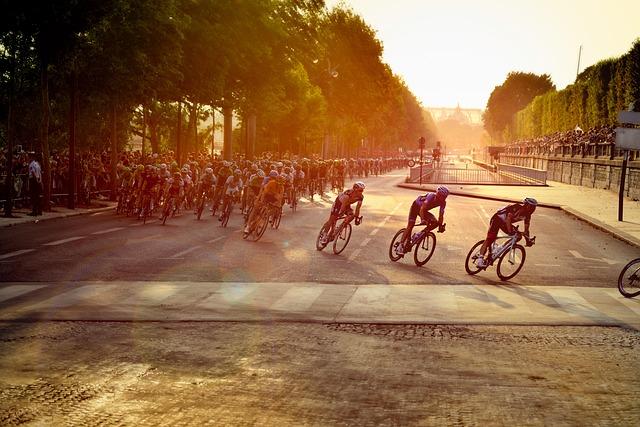
In a significant development for the upcoming Tour de France, race organizers have announced that general classification (GC) time bonuses will once again be implemented prior to the iconic climbs of Montmartre during the final stage of this year’s event. This decision, made for the second consecutive year, comes in response to rising safety concerns associated with the challenging terrain and unpredictable crowd dynamics surrounding one of cycling’s most celebrated finishes. As the cycling world gears up for the grand showcase, experts and fans alike are contemplating the implications of this adjustment on both the race’s dynamics and the athletes’ strategies. With the stakes higher than ever, the modified approach aims to ensure not only a thrilling spectacle but also the safety and well-being of all participants involved.
GC Times Impacted by Montmartre Climb Adjustment for Tour de France Finish
For the second consecutive year, riders in the Tour de France will see their General Classification (GC) times recorded before reaching the iconic Montmartre climbs. This decision, made by race officials, stems from ongoing safety concerns regarding the challenging nature of the ascent and the unpredictable crowds that flock to one of Paris’s most famous landmarks. As the cyclists navigate the race’s final stage, the adjustments aim to prioritize the safety of both competitors and spectators while preserving the integrity of the GC standings.
The alteration in GC time calculation is not merely a logistical change; it is indicative of the evolving dynamics of professional cycling. Riders will now face an increased demand for strategic pacing prior to the final climb, with implications for their overall standings. Teams must recalibrate their race plans to ensure their leaders are optimally positioned before tackling the strenuous Montmartre gradient. The implications of this decision can be summarized as follows:
- Safety Over Spectacle: Prioritizing rider safety and crowd management.
- Strategic Changes: Teams need to adapt their tactics in the final stage.
- Race Integrity: Ensuring that the GC remains fair under the new format.
Analyzing Safety Concerns Behind Montmartre Climb Decision for Final Stage
The decision to take General Classification (GC) times before the iconic Montmartre climb in the final stage of the Tour de France has sparked intense discussions regarding rider safety. With the historical backdrop of Montmartre, known for its steep ascents and narrow streets, concerns have arisen over the potential risks involved in navigating this section amidst a high-speed finale. Factors influencing safety considerations include:
- Increased pedestrian traffic: Popular tourist areas can become congested, making it challenging for cyclists to maneuver safely.
- Variable road conditions: The cobblestones and differing terrain characteristics pose significant hazards, especially under race conditions.
- Weather unpredictability: Rain or adverse weather can exacerbate existing risks, leading to potential accidents.
Race organizers are prioritizing the well-being of athletes in light of these concerns, opting for a cautious approach that has led to the decision of timing before the climb. This could enhance both the spectacle and safety of the final stage, ensuring that the focus remains on athletic performance rather than unforeseen dangers. To illustrate how this decision impacts the competition, consider the following table:
| Year | Stage Outcome | Safety Measures Implemented |
|---|---|---|
| 2022 | GC times before climb | Enhanced medical presence |
| 2023 | GC times before climb | Traffic control measures |
Strategies for Riders and Teams in Light of Revised Time Trials at Tour de France
The recent decision to record general classification (GC) times before the challenging Montmartre climbs during the final stage of the Tour de France presents unique opportunities and challenges for riders and their teams. ETIQUETTE underscores the significance of strategic planning in navigating this revised course format. Teams must prioritize positioning during the early sections, ensuring their leaders are safely placed within the peloton to avoid potential mishaps as the race unfolds. Moreover, the psychological aspect of pre-Montmartre sprinting will become critical, as maintaining focus and confidence during this revised approach is essential for securing top finishes.
Moreover, TEAM DYNAMICS play a pivotal role in this adaptation. Riders are advised to engage in open communication with team directors to formulate a tailored strategy that leverages individual strengths while considering the revised race dynamics. Key strategies might include:
- Early Attack Plans: Identifying points on the course where the terrain can be maximized for an early breakaway.
- Role Assignment: Clearly defining each rider’s responsibilities, whether it’s protecting the GC leader or facilitating an aggressive approach to establish a lead.
- Data Analysis: Utilizing GPS and power metrics to inform pacing strategies ahead of Montmartre.
| Proposed Strategy | Expected Outcome |
|---|---|
| Focus on Early Positioning | Increased safety and reduced risk of incidents |
| Concentrated Team Support | Strengthened chances for successful climbs |
Concluding Remarks
In conclusion, the decision to implement General Classification (GC) time penalties before the iconic Montmartre climbs in the Tour de France’s final stage reflects a growing commitment to rider safety amidst the event’s storied tradition. By adjusting the race dynamics for the second consecutive year, officials are prioritizing the well-being of the cyclists while ensuring that the integrity of the competition remains intact. As the cycling community prepares for this year’s ride, questions about how these changes will impact strategies and outcomes linger in the air. Ultimately, the safety measures underscore an evolving understanding of the demands placed on athletes during one of the world’s most grueling sporting events. Fans and riders alike will be watching closely to see how the adjustments play out on the route to Paris in what promises to be a thrilling conclusion to the 2024 Tour de France.