What is Mont Ventoux? All You Need to Know About the ‘Bald Mountain’ that is Part of the Tour de France
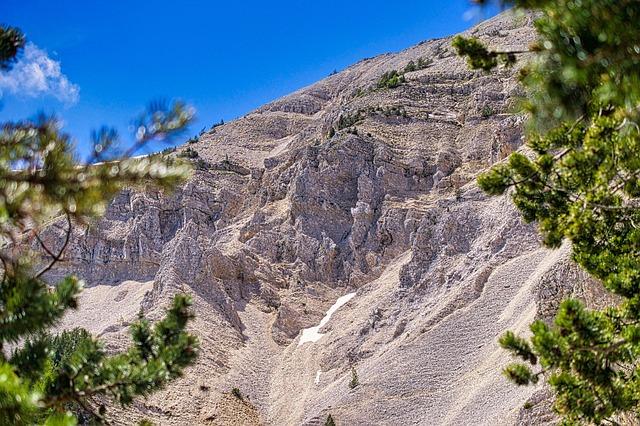
Perched high in the Provençal landscape of southeastern France, Mont Ventoux-a towering presence known as the “Bald Mountain”-stands as both a natural wonder and a formidable challenge for professional cyclists around the globe. Its stark, rocky summit, stripped of vegetation by harsh winds, contrasts dramatically with the lush vineyards and rolling hills that surround it, making it one of the most recognizable landmarks in the region. Mont Ventoux has earned its reputation not only for its breathtaking views but also for its key role in the iconic Tour de France, where riders often face grueling ascents and unpredictable weather. In this article, we delve into the history, geography, and significance of Mont Ventoux, exploring why this majestic peak has become a symbol of endurance and a rite of passage for cyclists competing in one of the world’s most prestigious races. From its geological features to its cultural impact, join us as we uncover all you need to know about the mystical allure of Mont Ventoux.
Understanding Mont Ventoux’s Unique Geography and Climate
Mont Ventoux, often referred to as the “bald mountain,” rises prominently in the Provence region of France, presenting an impressive profile against a landscape rich in vineyards and lavender fields. Its summit, which stands at an elevation of 1,912 meters, showcases distinct geographical features that contribute to its unique identity. The mountain is characterized by its rocky, treeless summit, which is a stark contrast to the verdant hills that surround it. Several factors play a crucial role in shaping this landscape:
- Geological Composition: Composed primarily of limestone and dolomite, the exposed rocks contribute to its barren appearance.
- Height and Elevation: The significant elevation creates a microclimate that varies dramatically from the base to the peak.
- Visibility: On clear days, Mont Ventoux can be seen from as far away as the mediterranean coast, underlining its prominent geographic position.
The climate of Mont Ventoux is as unique as its geography, contributing to both the challenges faced by cyclists during the Tour de France and its diverse ecosystem. The mountain experiences a Mediterranean climate at lower altitudes, transitioning to an alpine climate as elevation increases. This leads to notable variations in temperature and weather conditions, often resulting in sudden changes that cyclists must navigate. Here are key climatic characteristics:
| Feature | Characteristic |
|---|---|
| Temperature Range | Varies significantly; cooler at higher elevations |
| Precipitation | Higher amounts in spring and autumn |
| Wind Conditions | Frequent strong winds, especially near the summit |
The Challenges of Climbing Mont Ventoux: Insights from Cyclists
Climbing Mont Ventoux is not just a physical challenge; it tests the mental fortitude of even the most seasoned cyclists. The ascent, often described as grueling and relentless, starts in the small town of Bédoin and spans approximately 21 kilometers, featuring an average gradient of 7.43%. Cyclists face various obstacles, including sudden weather changes and the rocky, barren terrain that has earned the mountain its nickname, the “bald mountain.” Many riders surrender to the mountain’s harsh conditions, battling not only fatigue but also the psychological weight of its storied history in the Tour de France.
As cyclists conquer the various routes to reach the summit-each presenting its own unique set of challenges-they often highlight key factors influencing their performance:
- Weather Conditions: Winds can reach alarming speeds, making the final stretches particularly treacherous.
- Altitude Adjustment: With an elevation gain of over 1,600 meters, many face difficulties related to thinner air.
- Road Surfaces: The varied asphalt quality can impact grip and stability, especially during descents.
- Physical Preparation: Proper training is essential, as the climb is considered one of the most demanding in professional cycling.
Exploring Mont Ventoux: Best Routes, Viewing Spots, and Visitor Tips
Mont Ventoux offers a plethora of routes for cyclists and hikers keen to experience its breathtaking landscapes and challenging ascents. The most famous route, starting from the town of Bédoin, is approximately 21 kilometers long and features a daunting average gradient of 7.4%. The stunning scenery unfolds as riders ascend, with rocky outcrops giving way to panoramic views of the surrounding vineyards and lavender fields. Alternative routes include the ascent from Malaucène, which is slightly longer but less steep, and the lesser-known climb from Sault, offering a gentler gradient that rewards adventurers with equally mesmerizing vistas.
For the best viewing spots, consider stopping at the Tombeau de Gianni Bugno, a tribute to the Italian cyclist who achieved victory on this iconic mountain. This area provides an unobstructed view of the summit and is a popular rest stop for those on foot or bike. Another notable point is the Chalet Reynard, which lies about halfway up the mountain and serves as an excellent vantage point as well as a cozy café to pause and relish the mountainous experience. When planning your visit, be sure to bring plenty of water, especially during the warmer months, and check weather conditions, as the mountain’s climate can change rapidly.
Insights and Conclusions
In conclusion, Mont Ventoux stands not only as a formidable challenge for cyclists but also as a symbol of endurance and grit in the world of competitive cycling. Its towering presence has been a stage for legendary battles during the Tour de France, captivating fans and athletes alike. The mountain’s unique landscape, characterized by its stark, barren summit, has earned it the nickname “the bald mountain,” and offers a striking backdrop that enhances the drama of the race. As the Tour continues to evolve, Mont Ventoux remains a defining feature, reminding us of the strength and determination required to conquer its slopes. Whether you are an avid cyclist seeking your own adventure or a fan of the sport, Mont Ventoux is a destination that encapsulates the spirit of cycling and the beauty of the French landscape. With every passing year, it promises to deliver thrilling moments, making it a coveted waypoint on the Tour de France route for years to come.