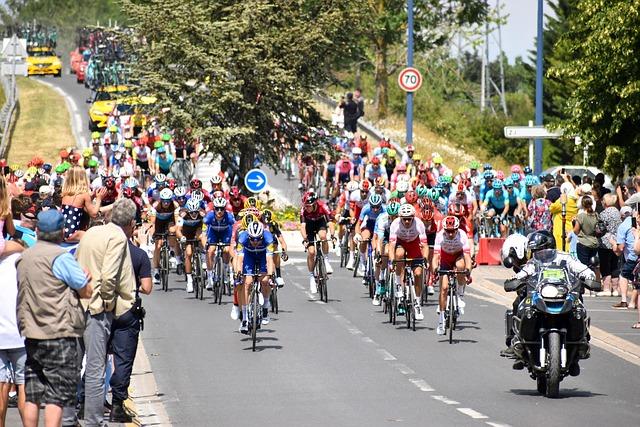
In the world of professional cycling, the disparity between men’s and women’s races has remained a contentious topic, especially at prestigious events like the Tour de France. With the recent inclusion of the women’s Tour de France in the spotlight, questions surrounding equipment equality have gained traction. One particular query stands out: do women ride the same bikes as their male counterparts? This article delves into the nuances of bike design, performance considerations, and the evolving landscape of gender equality in cycling. As the sport continues to grow and adapt, understanding the differences-or similarities-between the machines that propel athletes to victory may offer deeper insights into the ongoing conversation about equity in cycling. Join us as we explore the dynamics of bike choice, brand involvement, and the implications for female cyclists in the highest echelons of the sport.
Examining Gender-Specific Bike Design in the Tour de France
In recent years, the design of bikes used in competitive events like the Tour de France has come under scrutiny, particularly when evaluating how gender-specific needs are met. While men and women both compete at high levels, the bicycles they ride often differ in critical ways that cater to their unique physiology and performance requirements. Women’s bikes are typically designed to accommodate anatomical differences such as leg length, torso height, and overall strength distribution. Here are some key distinctions:
- Frame Geometry: Women’s bikes often feature a shorter reach and higher standover height for improved comfort and control.
- Weight Distribution: Designs may have lower overall weight and balance to suit a lighter center of gravity, which can benefit female riders during climbs.
- Saddle Design: Specially crafted saddles that address pelvic structure differences aim to provide optimal comfort and performance.
Despite these specific designs, the landscape is beginning to shift as advancements in bike technology and growing awareness of women’s performance standards challenge traditional norms. Some manufacturers are creating more unisex models that incorporate flexible designs suitable for a wider range of athletes. As interest in women’s cycling increases, the demand for bikes that cater specifically to female competitors in the Tour de France is likely to rise, requiring the industry to adapt continually. A comparative overview of some notable female and male bike models is provided below:
| Feature | Men’s Bike | Women’s Bike |
|---|---|---|
| Frame Height | Standardized larger sizes | Shorter, tailored sizes |
| Saddle Width | Standard width | Wider for enhanced support |
| Handlebar Reach | Longer reach | Shorter reach |
Unpacking the Performance Differences in Men’s and Women’s Bikes
The performance differences between men’s and women’s bicycles often stem from their distinct anatomical and physiological requirements. While both genders share common riding techniques and competing objectives, the design variables become crucial in optimizing their output. Key aspects include:
- Frame Geometry: Women’s bikes typically feature shorter top tubes and a longer head tube which cater to different body proportions.
- Weight Distribution: Adjustments in center of gravity can significantly affect handling and control, with women’s bikes often designed for a more balanced ride.
- Women-Specific Components: Items like saddles and grips are often tailored to fit women’s anatomical differences, enhancing comfort and efficiency over long distances.
Furthermore, the materials used in construction can lead to varied performance outcomes. Advances in technology have allowed manufacturers to experiment with lighter alloys and carbon composites, which are becoming increasingly prevalent in both men’s and women’s models. This has heightened the necessity for a curated understanding of how these materials influence bike dynamics. A comparative analysis can be outlined as follows:
| Feature | Men’s Bikes | Women’s Bikes |
|---|---|---|
| Frame Weight | Typically heavier | Often lighter |
| Seat Design | Standard shape | Ergonomically tailored |
| Handlebar Width | Wider setup | Narrower configuration |
Recommendations for Inclusive Cycling Innovations in Competitive Racing
Inclusivity in competitive cycling is not just about equal participation; it’s also about ensuring that women have access to the right equipment that matches their physiology and competitive needs. As the Tour de France moves towards more progressive norms, emphasis should be placed on innovative bike designs that address gender-specific requirements. This includes developing lighter frame materials, tailoring fit for various body types, and enhancing aerodynamics specifically for female athletes. Cycling brands must engage in more thorough research on biomechanics to understand how women’s riding positions differ substantially from men’s, paving the way for bespoke cycling products.
Moreover, it is essential for cycling organizations and brands to foster community-driven engagement initiatives that amplify women’s voices in the sport. This can take the form of expert panels, workshops, and pilot programs designed to solicit direct feedback from female cyclists on their equipment and racing experiences. Initiatives such as these could help inform a new generation of bike innovations while also encouraging more female cyclists to participate at competitive levels. A potential framework for this could be structured around the following key focus areas:
- Community Feedback: Regular surveys and focus groups with female cyclists.
- Research Collaboration: Partnerships with universities to study performance metrics.
- Adaptive Equipment Development: Continued investment in R&D for women’s cycling gear.
In Retrospect
In conclusion, the question of whether women ride the same bikes as men at the Tour de France touches on deeper issues of equity and inclusivity within the sport. As professional cycling continues to evolve, so too does the understanding of the physiological differences and preferences that can impact performance. While advancements in technology and design have allowed for bikes that cater to a wider range of cyclists, the industry’s commitment to addressing the needs of female riders remains a work in progress. Advocates argue that equitable access to the same high-performance equipment is crucial for fostering a more level playing field. As we look to the future of competitive cycling, it is imperative that the conversation continues, ensuring that both male and female athletes have the tools necessary to excel. Only then can we truly celebrate the spirit of competition that defines races like the Tour de France.