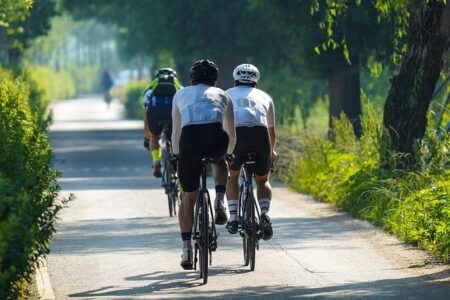
As the sun blazed relentlessly over the rugged terrain of Spain, the riders of the Vuelta a España faced not only the grueling challenges of mountainous stages but also an unprecedented foe: extreme heat that tested the very limits of their endurance. This year’s race saw team support and management adopting innovative strategies to keep their athletes safe and competitive, with one team director breaking from tradition, telling riders to simply “do nothing” in the sweltering temperatures. As temperatures soared and the demands of the race intensified, cyclists grappled with the paradox of staying still to conserve energy while the competition raged on. This article explores how teams are navigating the extreme conditions, balancing performance with the vital need for survival in one of cycling’s toughest stages, in a race where every decision could mean the difference between victory and defeat.
Strategies for Coping with Extreme Heat: Insights from Teams and Riders
The extreme conditions at the Vuelta a España have forced teams to reevaluate their traditional race strategies. Many riders are now prioritizing hydration and energy conservation over aggressive racing. As one team director put it, “We’re telling our riders to listen to their bodies and gauge their limits.” Coaches emphasize the significance of constant hydration, warning against the perils of dehydration, which can affect performance and health in high temperatures. Teams have implemented on-the-fly adjustments to their race plans, including extended feed zones, where cyclists can replenish fluids and carbohydrates frequently, and reduced effort during especially harsh segments of the race.
To combat the exhausting heat, riders have also embraced contractual support systems, focusing on collective well-being. Some of the effective strategies include:
- Tailored Cooling Vests: Actively cooling garments are being deployed during rest periods to lower core body temperatures before events.
- Pre-Race Reconnaissance: Familiarizing riders with the course and anticipated heat challenges has become a key focus, allowing for better pre-race strategies.
- Mindfulness Techniques: Riders are encouraged to engage in mental preparation to keep stress levels low despite the heat, further enhancing performance focus.
In light of these extreme weather challenges, teams are developing a culture of adaptability, learning to navigate not just physical obstacles but also mental ones. As the Vuelta continues, insights gathered over these demanding stages could potentially redefine the approach teams take in future high-temperature races. The goal is to ensure that every rider remains not just competitive but also healthy, confirming that survival in extreme heat is about choosing the right battles at the right times.
The Role of Support Staff in Ensuring Rider Safety During Climatic Challenges
In the grueling conditions of the Vuelta a España, the importance of support staff becomes pronounced as they navigate the treacherous landscape of extreme heat. With temperatures soaring, team directors have emphasized the need for riders to conserve energy, making strategic decisions that prioritize rider safety over competitive performance. When faced with warnings from health experts, some directeurs sportifs have even instructed riders to “do nothing”, allowing them to avoid the risk of heat-related illnesses. This shift in strategy showcases the evolving nature of cycling tactics, where preservation often takes precedence over aggressive racing strategies.
The support staff’s role is multifaceted, encompassing a range of responsibilities that are critical during these challenging times. Key functions include:
- Hydration Management: Constant monitoring of water and electrolyte intake to combat dehydration.
- Nutrition Planning: Ensuring riders have easy access to energy-dense foods that can withstand high temperatures.
- Health Monitoring: Keeping track of riders’ physical conditions and promptly adapting strategies as needed.
- Pacing Assistance: Setting realistic goals based on current conditions to maintain rider morale.
Through these actions, teams are able to not only protect their athletes but also adapt to the new reality of racing under extreme weather conditions. The synergy between riders and their support staff is vital, ultimately contributing to the riders’ resilience against the harsh elements of the Vuelta.
Health Risks and Recovery: Best Practices for Athletes Battling High Temperatures
As temperatures soar, athletes must be vigilant about the health risks associated with extreme heat. Heat-related illnesses can manifest in various forms, including heat exhaustion and heat stroke, both of which can severely impact performance and recovery. To combat these dangers, riders are encouraged to adhere to a few best practices:
- Hydration: Consistent fluid intake is crucial. Athletes should monitor their hydration status and consider electrolyte-replenishing drinks when necessary.
- Acclimatization: Gradually increasing exposure to hot conditions can help the body adapt, thus lowering the risk of heat-related issues.
- Rest Periods: Implementing strategic breaks during rides allows for cooling and recovery, breaking the physical strain of continuous exertion.
Team managers are also focusing heavily on recovery strategies, adjusting training regimens to prioritize rest when under extreme weather conditions. Nutrition plays a pivotal role in this recovery process, and a tailored approach to meals rich in carbohydrates and proteins can ensure optimal recovery. The following table outlines effective recovery snacks for athletes battling the heat:
| Snack | Benefits |
|---|---|
| Banana with nut butter | Provides quick energy and sustains longer endurance. |
| Greek yogurt with honey | Offers protein for muscle recovery and hydration. |
| Energy bars | Convenient source of energy and nutrients on-the-go. |
Final Thoughts
As the Vuelta a España continues to unfold under the sweltering sun, the unique challenges posed by extreme heat have prompted a shift in strategy for riders and teams alike. The decision from directors to embrace a more cautious approach-advising cyclists to conserve energy instead of pushing themselves to the limit-highlights the growing awareness of the impact that soaring temperatures can have on both performance and well-being.
With temperatures often reaching record highs, the dynamics of the race are altered, forcing athletes to adapt and prioritize their health above all. This pivotal moment in professional cycling not only emphasizes the physical demands of the sport but also raises questions about the broader implications of climate change on athletic competition.
As the heatwave persists, and the race progresses, the resilience and adaptability of these riders will be tested like never before. The stories emerging from this year’s Vuelta serve as a poignant reminder of the intersection between sports and environmental challenges-one that may redefine how future races are conducted. As we look ahead, the urgency for sustainable practices within sports remains clearer than ever, echoing the calls for action in a world increasingly shaped by climate-related crises.