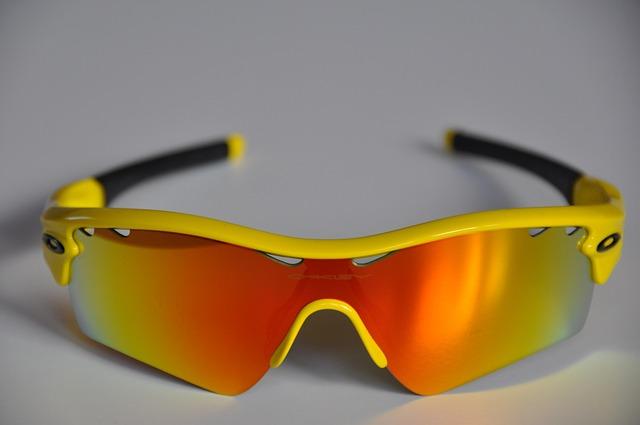
Title: Navigating Privacy in the Era of AI: “I Don’t Want to Be Filmed on Your Meta Oakleys”
As technology continues to evolve at a breakneck pace, the introduction of wearable devices equipped with artificial intelligence is reshaping the way we interact with the world around us. One of the latest innovations stirring debate is the Meta Oakley smart glasses, which promise to blend augmented reality with the everyday experience of wearers. However, as cycling groups across the country find themselves increasingly confronted with this new technology on their rides, a growing number of enthusiasts are vocalizing their concerns. “I don’t want to be filmed on your Meta Oakleys; AI glasses don’t belong on group rides,” has become a rallying cry for those seeking to protect their privacy and safeguard the ethos of community cycling. This article examines the implications of AI-enabled eyewear on communal experiences and the mounting calls for regulations to maintain privacy in public spaces.
Concerns Over Privacy and Consent in the Age of AI-Enabled Eyewear
As AI-enabled eyewear, like Meta’s Oakleys, become increasingly prevalent in social settings, concerns about individual privacy and the implications of consent are surfacing. Many individuals feel uneasy about the idea of being filmed without explicit permission, a fear rooted in the unexpected surveillance that such devices might facilitate. During group rides, when camaraderie and shared experiences are paramount, the presence of wearable technology that captures every moment can inhibit genuine interactions and create an atmosphere of distrust. The need for transparent guidelines regarding the use of these devices in public spaces is becoming critical, as the lines between social engagement and recording for posterity blur.
Moreover, the potential for misuse of the recorded data raises significant ethical questions. While proponents advocate for the positive aspects-such as enhancing social sharing and creating memorable content-critics point to the risks of data exploitation and unauthorized sharing. Key considerations include:
- Contextual Awareness: Users may forget they are being filmed, leading to moments of vulnerability being captured without consent.
- Data Ownership: Who controls the footage? Questions about ownership and rights to the content collected loom large.
- Potential for Misinterpretation: Footage could be taken out of context and used against an individual’s interests.
| Concern | Impact |
|---|---|
| Informed Consent | Possible breach of trust among friends and community members. |
| Surveillance Culture | Normalization of recording in private interactions. |
| Data Security | Risk of sensitive personal data falling into the wrong hands. |
Navigating Social Norms: The Impact of Technology on Group Dynamics
As technology rapidly evolves, so does the landscape of social interactions, especially in group activities like cycling. The introduction of AI glasses, such as Meta Oakleys, raises significant concerns over privacy and consent during group rides. Participants may unknowingly become subjects in unconsented recordings, transforming an ordinary cycling experience into a spectacle for external viewing. The quest for enhanced social connection through technology can inadvertently lead to feelings of exclusion and discomfort among riders who prefer to keep their experiences private.
Moreover, the norms surrounding privacy and consent are struggling to keep pace with technological advancement. In many cycling communities, the question arises: what happens when personal space intersects with digital visibility? Emerging discussions among cyclists are highlighting the need to set boundaries concerning tech use in shared spaces. Here are some potential guidelines being considered:
- Prior Consent: Always ask before recording.
- Group Policy: Establish rules about filming during rides.
- Awareness: Be conscious of others’ discomfort regarding technology.
| Aspect | Traditional Norms | Emerging Technology |
|---|---|---|
| Privacy | Shared experiences | Digital documentation |
| Consent | Implicit agreement | Explicit permission needed |
| Community | Supportive environments | Potential exclusion via technology |
Recommendations for Responsible Use of AI Glasses in Public Spaces
As AI glasses become more prevalent in public spaces, it is essential for users to consider the ethical implications of their use, especially during social activities such as group rides. Participants should be aware of their surroundings and respect the privacy of others. Engaging in open dialogue about the presence and capability of these devices can foster a more understanding environment. Additionally, one should consider the following:
- Ask for consent before capturing images or videos of individuals in a social setting.
- Disable recording features in crowded or sensitive areas to uphold the privacy of others.
- Use the technology responsibly, recognizing that not everyone is comfortable being filmed.
Moreover, it’s crucial to establish clear guidelines for the use of AI glasses in public gatherings, particularly in group activities. Communicating expectations with fellow participants can significantly improve the overall experience. Establishing boundaries may involve:
| Guideline | Description |
|---|---|
| Transparency | Inform others when using recording features. |
| Boundaries | Respect personal space and privacy preferences. |
| Awareness | Be mindful of your surroundings while using AI glasses. |
To Wrap It Up
As the debate surrounding the integration of AI technologies into our daily lives continues to evolve, the concerns raised by cyclists about the use of Meta’s Oakley glasses during group rides are a reflection of broader anxieties regarding privacy, consent, and the implications of surveillance on communal activities. Cyclists, often bound by a shared sense of camaraderie and trust, are understandably wary of the potential for their experiences to be captured and disseminated without their permission. This reluctance signals a growing demand for clearer guidelines and ethical considerations in the rapidly advancing realm of technology. As we move forward, it is essential for manufacturers and users alike to engage in meaningful dialogues that respect individual autonomy while embracing innovation. As the cycling community grapples with these complex issues, the call for respect and privacy on our roads remains paramount.