

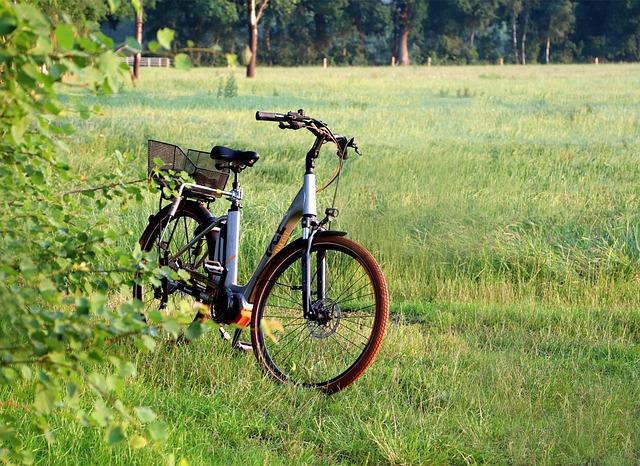
Introduction:
In an era where sustainability and innovation converge, the rise of electric bicycles (e-bikes) has transformed urban mobility, offering an eco-friendly alternative to traditional modes of transport. A new e-bike loan scheme launched by local governments aims to dismantle long-standing fears surrounding cycling, particularly in bustling cities where safety concerns loom large. This initiative not only promotes greener commuting options but also empowers communities to embrace cycling as a practical solution to congestion and pollution. As cities strive to encourage healthier lifestyles and reduce their carbon footprints, the success of the e-bike loan scheme underscores the potential of electric mobility to reshape perceptions and promote cycling as a viable means of transportation.
E-bike Loan Scheme Empowers Commuters to Embrace Sustainable Transport
The introduction of the e-bike loan scheme has significantly transformed the landscape of urban commuting by making sustainable transport accessible to a wider audience. By providing affordable and flexible loan options, commuters are now able to experience the convenience and benefits of electric bicycles without the hefty upfront costs. This initiative not only encourages more individuals to swap their cars for bikes but also alleviates common concerns such as maintenance, storage, and the initial investment associated with traditional cycling. As more people opt for e-bikes, cities can expect a reduction in traffic congestion and a positive impact on local air quality.
Furthermore, the scheme includes educational programs that help potential riders develop confidence on the road. These programs cover essential topics such as safe riding practices, responsible parking, and basic maintenance tips for e-bikes. By equipping commuters with the knowledge they need, the scheme effectively addresses the psychological barriers that often prevent people from considering cycling as a viable commuting solution. The following benefits highlight the positive impacts of this initiative:
- Lower carbon emissions leading to cleaner urban environments.
- Enhanced physical fitness through regular cycling.
- Cost savings on fuel and public transport.
- Increased energy efficiency with the use of electric-powered bicycles.
Overcoming Barriers: How Electric Bicycles Are Changing Public Perception of Cycling
The introduction of e-bike loan schemes is propelling a significant cultural shift in how cycling is perceived. Many individuals who previously viewed cycling as an arduous or daunting mode of transport are now discovering a new level of accessibility. By making electric bikes available to the public, these initiatives are helping to dispel common barriers such as physical exertion, terrain challenges, and distance constraints. As a result, cyclists of all ages and fitness levels are embracing e-bikes, finding them not only convenient but also a viable alternative to traditional transportation methods.
These schemes are fostering community involvement by allowing users to experience the benefits without the upfront costs typically associated with purchasing an electric bike. Participants report a surge in confidence and enthusiasm towards cycling, with many highlighting the following advantages:
- Reduced fatigue on longer commutes
- Faster travel times through urban areas
- Environmental benefits of choosing electric over motor vehicles
- Increased social interactions among local cyclists
This newfound acceptance is evident as more cities invest in infrastructure improvements to accommodate this growing demographic. As e-bikes reshape public perception, traditional biking can flourish alongside, ultimately creating a more holistic approach to sustainable urban mobility.
Recommendations for Expanding E-bike Accessibility and Promoting Safe Cycling Practices
To enhance accessibility for e-bikes and encourage more people to embrace cycling, city planners and local governments must take proactive initiatives. Developing dedicated cycling infrastructure is essential; this includes expanding bike lanes that are safe and well-maintained, integrating them into existing public transport systems, and creating parking areas designed specifically for e-bikes. Public awareness campaigns can also play a vital role in informing residents about the benefits of e-biking, aiming to dismantle the stigma surrounding cycling safety. Additionally, implementing a subsidized e-bike loan program can help those who might feel financially constrained, allowing new riders to test the waters without a significant monetary commitment.
Moreover, fostering a culture of safety around cycling practices is paramount for widespread adoption. Encouraging local businesses and community organizations to host safety workshops can equip potential riders with essential skills and knowledge, from basic maintenance to road safety regulations. Furthermore, the establishment of a local cyclist ambassador program can create a supportive network of experienced cyclists who mentor newcomers, easing their transition into the cycling community. Table 1 below outlines effective initiatives and their potential impact on promoting e-bike use and safety.
| Initiative | Potential Impact |
|---|---|
| Dedicated bike lanes | Increase rider confidence and safety |
| E-bike loan programs | Lower financial barriers to entry |
| Safety workshops | Enhance rider knowledge and skills |
| Cyclist ambassador program | Create community support networks |
Closing Remarks
In conclusion, the introduction of the e-bike loan scheme represents a significant step towards alleviating concerns surrounding cycling, particularly in urban environments. By making electric bicycles more accessible, this initiative not only encourages a shift towards greener transportation options but also helps to build confidence among potential cyclists. As cities strive to reduce their carbon footprints and promote sustainable living, programs like these could serve as a blueprint for similar efforts nationwide. The rise of electric cycling could very well redefine the commuting landscape, ushering in a future where cycling is not just a mode of transport, but a viable and preferred choice for many. As the scheme rolls out, its impacts will be closely monitored, with the hope that it will empower more individuals to embrace two-wheeled travel, transforming both our streets and our environment for the better.