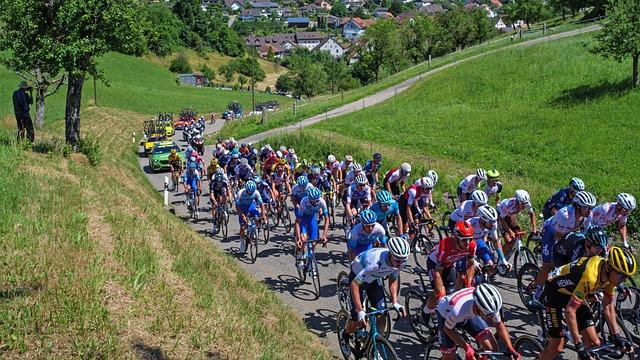
In a gripping display of tenacity and skill, Team Visma’s Anna Van Dam secured a strong second-place finish at the Tour de Suisse Women, showcasing her impressive form against a competitive field. Meanwhile, teammate Marit De Vries faced a challenging day as she lost her leader’s jersey, shifting the dynamics of the race. The event, known for its demanding courses and elite participants, saw Van Dam rise to the occasion, cementing her position as a formidable contender while De Vries’s battle to retain the top spot added an intriguing layer to the unfolding narrative of the tour. With both triumphs and trials on display, Team Visma’s performance has set the stage for an exhilarating final stretch of the competition.
Strong Performance by Van Dam Highlights Team Visma’s Potential in Tour de Suisse Women
In a thrilling display of strength and strategy, Van Dam secured a remarkable second place in the latest stage of the Tour de Suisse Women, reinforcing Team Visma’s prowess in competitive cycling. With every turn of the pedals, Van Dam showcased her resilience, turning heads and earning respect from fellow competitors and fans alike. Her performance not only positions her as a key player in the team but also highlights the growing potential of Team Visma in the women’s cycling scene. Observers noted her calculated moves and unyielding determination that kept her among the front runners throughout the challenging course.
Meanwhile, De Vries faced a setback as she relinquished the leader’s jersey, a twist that adds an extra layer of excitement to the overall standings. The team is known for their collaborative spirit, and this moment may serve as a rallying point for the riders. Upcoming stages will test their mettle further, and as Van Dam’s form continues to rise, there’s optimism for what lies ahead. As they set their sights on future challenges, the camaraderie within Team Visma remains a cornerstone of their strategy, driving their ambition to reclaim the lead.
De Vries Struggles as Leader’s Jersey Slips Away: Assessing the Team’s Strategy
As the competitive landscape of the Tour de Suisse Women intensifies, Team Visma finds itself reflecting on a mix of triumph and tribulation. While Van Dam’s remarkable second-place finish showcases the team’s potential, De Vries’ recent struggles reveal vulnerabilities in their strategic approach. The loss of the leader’s jersey has raised questions about our race tactics, particularly in the climactic segments where they could have cemented their dominance. Analysts suggest that a recalibration of their strategy may be necessary, emphasizing the need for clearer communication and stronger support in critical moments.
Key elements contributing to the team’s challenges include:
- Inconsistent Pacing: De Vries has struggled to maintain momentum on steep climbs, indicating a need for improved pacing strategies.
- Team Coordination: Misaligned efforts during critical stages have prevented the squad from executing planned attacks effectively.
- Support Roles: Enhanced roles for domestiques during climbs could provide De Vries with the necessary assistance to regain the leader’s position.
| Rider | Current Position | Points Earned |
|---|---|---|
| Van Dam | 2nd | 45 |
| De Vries | 3rd | 40 |
Future Challenges Ahead for Team Visma: Recommendations for Maintaining Competitive Edge
As Team Visma celebrated Van Dam’s impressive second place finish in the Tour de Suisse Women, the team must now turn its attention to the road ahead, where several significant challenges loom. Maintaining a competitive edge in such a dynamic sport requires strategic planning and proactive measures. To ensure continued success, the team should focus on:
- Talent Development: Investing in upcoming cyclists and nurturing their potential is crucial. Structured training programs and mentorship can enhance skills and improve resilience under pressure.
- Technological Innovation: Embracing advancements in cycling technology, from bike enhancements to data analytics, can provide critical advantages in performance optimization.
- Psychological Well-being: Mental fortitude is as important as physical prowess. Implementing support systems for athletes to manage stress and pressure will bolster team morale and performance.
- Brand Partnership Expansion: Strengthening relationships with sponsors and exploring new partnerships can provide additional resources and financial backing critical for future endeavors.
Furthermore, analyzing recent performance trends can offer insights into areas needing improvement. A focus on consistency and adaptability will be vital for maintaining high standings in future competitions, particularly after the disappointment of De Vries losing the leader’s jersey. Utilizing a comprehensive performance review system can guide athletes and coaching staff in identifying strengths and weaknesses. A recent analysis could look like this:
| Athlete | Last Race Finish | Key Improvement Areas |
|---|---|---|
| Van Dam | 2nd | Stronger sprint finishes, endurance training |
| De Vries | Lost Leader’s Jersey | Tactical race planning, time trial focus |
In Conclusion
In conclusion, the Tour de Suisse Women showcased a remarkable display of talent and resilience, as Team Visma’s Van Dam secured a strong second place overall, reaffirming her status as a formidable competitor in the cycling world. While De Vries faced the disappointment of relinquishing her leader’s jersey, the team’s collective efforts and determination remain commendable. As the race concludes, all eyes will be on the upcoming season, where both riders will undoubtedly be looking to build on their performances and strive for victory in future competitions. Fans and analysts alike will be eager to see how Team Visma adapts and perseveres in the face of challenges. The Tour de Suisse Women has once again proven to be a pivotal stage in the women’s cycling calendar, promising an exciting future for the sport.