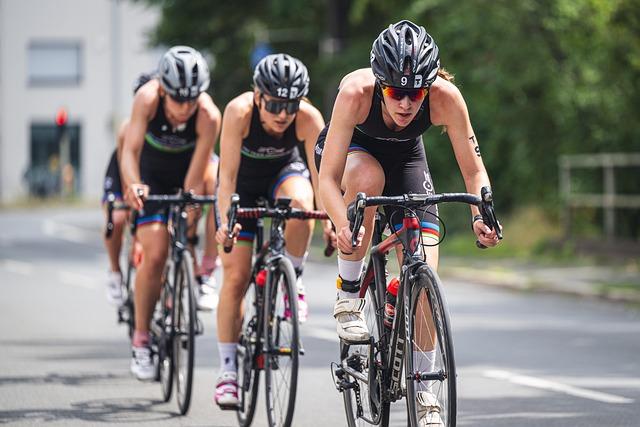
In a significant setback for women’s cycling, one of the sport’s longest-running Continental teams has announced its closure after 18 seasons, citing a persistent lack of funding as the primary catalyst. The team, which has played a crucial role in nurturing talent and promoting women’s cycling on the international stage, is the latest casualty in an ongoing struggle for financial support within the realm of professional women’s sports. As the cycling community grapples with this alarming trend, the decision underscores the urgent need for increased investment and sustainability measures to ensure the future of women’s cycling at all levels.
Impact of Financial Shortfalls on Women’s Cycling Teams
The closure of a long-standing women’s Continental team after 18 seasons underscores the precarious financial landscape facing women’s cycling. Despite achieving significant milestones and fostering talent at the elite level, the team ultimately succumbed to the pressures of inadequate funding. The story highlights a broader issue affecting women’s sports, where systemic inequities in sponsorship and media coverage lead to insufficient financial support. The fallout from such financial shortfalls is multi-faceted, with ripple effects that extend beyond the team itself, impacting athletes, staff, and the sport’s visibility.
Key factors contributing to these financial difficulties include:
- Limited Sponsorship Opportunities: Brands often prioritize men’s teams, leaving women’s teams with fewer financial backers.
- Media Coverage Disparities: Less media visibility results in weaker fan engagement and lower commercial revenue.
- Unequal Prize Money: Women cyclists frequently receive less prize money, diminishing the sport’s attractiveness to potential sponsors.
In response, many teams and advocates are pushing for reforms to level the playing field. Initiatives aimed at increasing visibility for women’s cycling, encouraging sponsorship diversity, and advocating for equitable prize distributions are essential for ensuring the long-term viability of women’s sports.
Challenges Faced by Long-standing Teams in Securing Sponsorship
The recent closure of a long-standing women’s Continental cycling team after 18 seasons highlights several challenges faced by established teams in securing sponsorship. Despite years of dedication and success, such teams often grapple with an evolving sponsorship landscape that prioritizes short-term returns over long-term partnerships. The decreasing visibility of women’s sports in mainstream media exacerbates the struggle for adequate funding, leaving these teams to compete for limited resources in an environment saturated with male-dominated events.
Furthermore, long-standing teams may be hindered by a sense of complacency and a lack of innovation in their marketing strategies. They often rely on traditional sponsorship models that are no longer effective in attracting new partners. Teams must adapt to modern consumer preferences and demonstrate their value through measurable engagement metrics. Some of the specific hurdles they encounter include:
- Increased competition: Newer teams and sports are vying for the same sponsorship dollars.
- Visibility issues: Limited media coverage leads to reduced exposure for potential sponsors.
- Market saturation: A flooded sponsorship market makes it difficult to stand out.
- Changing consumer interests: Sponsors look for teams that align with contemporary values and trends.
Recommendations for Sustaining Women’s Competitions in Cycling
To ensure the longevity and growth of women’s cycling competitions, several strategies must be implemented by stakeholders at all levels of the sport. Increased financial investment is crucial; sponsors and funding bodies should recognize the potential of women’s cycling to attract diverse audiences. By establishing dedicated funds or grant programs aimed specifically at supporting women’s teams and competitions, organizations can foster a more sustainable competitive environment. Furthermore, encouraging partnerships with local businesses can broaden the funding pool and enhance community engagement. This can create a win-win scenario where local enterprises gain visibility while supporting their athletes.
Additionally, promoting visibility and awareness of women’s cycling through media coverage is essential. More robust coverage can help draw in sponsors and create an increased interest among fans. The implementation of strategic marketing campaigns that highlight the achievements of female riders can enhance their public profiles and stimulate greater attendance at events. Furthermore, creating mentorship programs where established female cyclists coach young talents can pave the way for a new generation. These initiatives not only support athletes directly but cultivate an inclusive culture that encourages more participants in the sport.
Final Thoughts
In conclusion, the closure of this esteemed women’s Continental team highlights the ongoing financial challenges faced by elite cycling programs, particularly those dedicated to promoting women’s sports. After 18 seasons of dedication and achievement, the team’s decision to disband serves as a stark reminder of the need for increased investment and support in women’s cycling. As the sport continues to grow, it is imperative that stakeholders come together to ensure the sustainability of these teams, which play a critical role in developing talent and inspiring future generations of female cyclists. The loss of this team is not just a setback for its members, but also a call to action for the cycling community to advocate for greater funding and visibility in the pursuit of gender equity within the sport.