

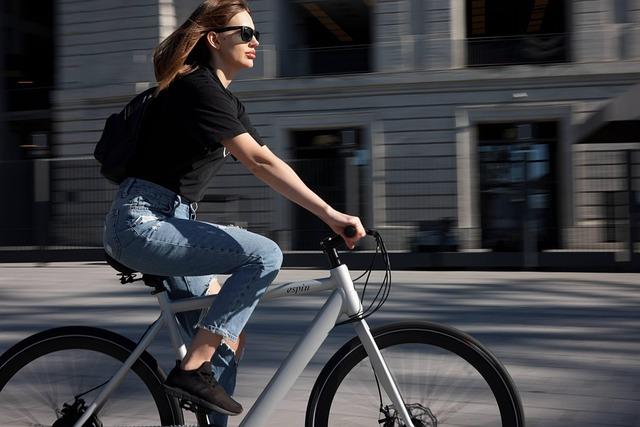
As urban centers worldwide embrace sustainability and active transportation, cycling has become a popular commuting choice for many. Yet, for elderly individuals relying on assisted living services, the daily reality of commuting by bicycle reveals a harsher truth. The indignities faced by seniors navigating city streets on two wheels-balancing physical limitations, inconsistent infrastructure, and societal perceptions-highlight a pressing issue often overlooked in discussions about urban mobility. This article explores the challenges and indignities endured by assisted-living residents who cycle, shedding light on the intersection of aging, independence, and transportation in modern cities.
The Daily Struggle of Cycling Commutes for Assisted Living Residents
The daily commute by bicycle for assisted living residents is more than a mere inconvenience; it often becomes a taxing ordeal marked by physical strain and emotional frustration. Many elderly cyclists face challenges such as uneven pavements, heavy traffic, and inadequate cycling infrastructure, all of which undermine their safety and autonomy. The lack of accessible routes tailored for older adults further compounds the problem, leaving residents vulnerable and hesitant to maintain their independence through cycling. What should be a simple journey often transforms into a labyrinth of navigating obstacles that most urban planners overlook.
Key issues affecting assisted living cyclists include:
- Poorly maintained bike lanes that abruptly end or merge into busy roads.
- Insufficient rest areas or benches along cycling paths.
- Lack of clear signage designed for slower, more cautious riders.
- Limited support services such as bike repair stations near assisted living communities.
| Challenge | Impact | Potential Improvement |
|---|---|---|
| Uneven Pavements | Increased fall risk | Regular maintenance and smooth surfaces |
| Traffic Density | Stress and safety concerns | Dedicated low-speed cycling zones |
| Limited Signage | Confusion during commutes | Senior-friendly, large-font signs |
Challenges Faced by Elderly Riders Navigating Urban Bike Lanes
Many elderly cyclists face a daunting array of obstacles when trying to navigate the complex and often hostile environment of urban bike lanes. Reduced reaction times, diminished balance, and slower decision-making amplify the dangers posed by uneven pavement, sudden lane merges, and the aggressive maneuvering of younger, faster cyclists. This precarious reality forces older riders into a constant state of hyper-vigilance, increasing physical and psychological strain during what should be a simple commute. Furthermore, inconsistent maintenance and poor signage exacerbate confusion, leaving many senior riders vulnerable to accidents and injury.
The challenges extend beyond physical barriers to include social and infrastructural shortcomings. Urban planners often overlook the specific needs of aging cyclists, resulting in narrow lanes, inadequate lighting, and a lack of rest areas designed with seniors in mind. Below is a concise comparison illustrating key factors that impact elderly riders compared to the general cycling population:
| Factor | Elderly Riders | General Population |
|---|---|---|
| Reaction Time | Slower | Faster |
| Balance Stability | Reduced | Normal |
| Lane Width Preference | Wider for safety | Standard |
| Rest Area Needs | Essential | Optional |
| Lighting Requirements | Enhanced | Standard |
- Physical vulnerabilities make quick evasive maneuvers nearly impossible.
- Lack of tailored infrastructure forces seniors into risky riding conditions.
- Poor visibility drastically increases the risk of collisions.
- Social invisibility leads to insufficient advocacy for elderly cyclists’ rights.
Practical Solutions to Improve Bicycle Accessibility and Comfort for Seniors
Modern bicycles often overlook the unique needs of senior riders, leading to discomfort and diminished accessibility. Incorporating ergonomic design features such as adjustable handlebars, cushioned seats with ample support, and step-through frames can transform the cycling experience for older adults. Furthermore, the integration of electric assistance systems helps alleviate strain on joints and muscles, making longer commutes not only feasible but enjoyable. Communities that prioritize installing smooth, well-maintained bike lanes equipped with rest areas enhance safety and provide necessary comfort stops, encouraging seniors to remain independent and active.
To address these challenges systematically, local governments and manufacturers are collaborating on tailored solutions that combine technology and infrastructure. Below is a summary of key interventions demonstrating tangible benefits for senior cyclists:
| Intervention | Benefit | Impact |
|---|---|---|
| Low-step frames | Easy mounting/dismounting | Reduced fall risk |
| Electric pedal assist | Boosts endurance | Extended ride length |
| Wide, cushioned saddles | Improved seating comfort | Reduced pressure points |
| Dedicated senior-friendly paths | Traffic-free routes | Increased confidence |
- Regular maintenance programs to ensure safety and reliability
- Community workshops for skills and confidence building
- Collaborative urban planning focusing on accessibility
Wrapping Up
As cities continue to grapple with traffic congestion and environmental concerns, cycling remains a touted solution for sustainable urban mobility. Yet, as the experience of assisted living residents highlights, the daily reality of commuting by bicycle can carry its own set of indignities-from safety risks to physical strain and social stigma. Addressing these challenges requires not only better infrastructure and policy support but also greater awareness of the diverse needs of all cyclists. Only then can cycling evolve from a burdensome necessity into a dignified and accessible mode of transportation for everyone.