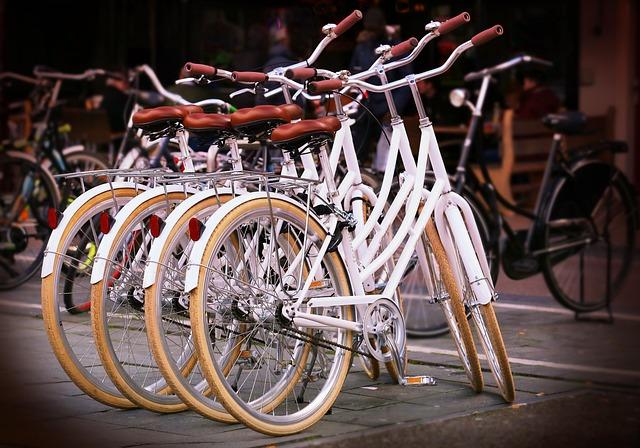
Headline: Unspoken Prices: The Reluctance of Friends to Reveal Their Bike Costs
In a world driven by consumerism and personal choices, one simple question has seemingly become a minefield of discomfort among cycling enthusiasts: “How much did you pay for that bike?” A recent informal survey of avid cyclists has uncovered an intriguing phenomenon-many friends would rather keep their lips sealed than disclose the prices they paid for their two-wheel companions. This hesitation seems to stem from a complex mix of social dynamics, perceived value, and perhaps even a touch of embarrassment. As biking culture continues to burgeon with diversity in options and prices, understanding this reluctance sheds light on the deeper values and sentiments that govern friendship and shared passions. In this exploration, we delve into the psychology behind the secrecy and the implications it holds for communities built around shared interests in biking.
Understanding the Reluctance: The Social Stigma Around Sharing Purchase Prices
In the realm of consumer culture, discussing purchase prices has become an almost taboo subject, shrouded in layers of social anxiety and unspoken rules. This reluctance can be attributed to a myriad of factors, each contributing to the pervasive stigma. Many individuals fear that sharing their spending habits could lead to judgments about their financial acumen, or worse, spark envy among their peers. Purchase prices, once a straightforward detail, are now cloaked in an air of secrecy, leading to a culture of silence where even close friends hesitate to engage in conversations about costs.
Moreover, the fear of vulnerability plays a significant role in this dynamic. People are often concerned about how disclosing price tags might affect their social standing. The worry that others may perceive them as frivolous or too frugal influences their willingness to share. This creates a cycle where their hesitation leaves gaps in conversations, resulting in an echo chamber of uncertainty. While some may argue that discussing prices can promote transparency and informed decision-making, the entrenched social norms surrounding the topic continue to perpetuate avoidance, ultimately inhibiting genuine connections and valuable insights.
Navigating Friendships: Encouraging Open Conversations About Spending
Friendships often thrive on trust and transparency, yet discussions about finances, especially when it comes to sharing how much we’ve spent, can evoke discomfort. People may feel awkward revealing the prices of their recent purchases, such as a new bike, leading to an unspoken rule that these figures should remain private. Open conversations about spending can foster a sense of understanding, allowing friends to support and encourage one another in their financial decisions. Here are some benefits of broaching this topic:
- Promotes Honest Dialogue: Encouraging discussions about financial choices can break down barriers and lead to a deeper connection between friends.
- Increases Awareness: By sharing prices, friends gain insights into different spending habits and can learn from one another’s experiences.
- Encourages Budgeting: When friends talk about their purchases openly, it can motivate others to assess their own financial situations and prioritize their spending.
Although apprehension may linger, finding a comfortable context for these discussions is key. For instance, friends could set the stage by sharing their own purchasing decisions and the reasoning behind them, creating a safe space for reciprocal sharing. This camaraderie can shift the focus from judgment to understanding. Below is a sample response some friends might give when asked about their bike prices:
| Friend | Bike Model | Price |
|---|---|---|
| Alice | Mountain Cruiser | $600 |
| Bob | City Commuter | $450 |
| Charlie | Road Racer | $800 |
Building Transparency: Strategies to Foster Honest Discussions on Pricing
In a world where price tags often come with a hefty dose of embarrassment, fostering honest discussions around pricing can feel like navigating a minefield. To ensure transparency, individuals and businesses must adopt certain approaches that dismantle the stigma surrounding price inquiries. Some effective strategies include:
- Normalizing Price Conversations: Create comfortable environments where discussing costs is not only accepted but encouraged.
- Utilizing Social Proof: Share customer testimonials or reviews that include pricing information to validate costs.
- Encouraging Community Sharing: Establish forums or groups where individuals can openly discuss their purchases and experiences.
Additionally, employing straightforward pricing models can help to demystify costs and foster trust among consumers. By presenting price data clearly, with no hidden fees or unnecessary complications, customers can make informed decisions. Consider the following simplified pricing structure as an example of transparency:
| Item | Price | Notes |
|---|---|---|
| Basic Bike | $300 | Includes standard features. |
| Mountain Bike | $600 | Enhanced durability for rough terrains. |
| Electric Bike | $1,200 | Includes battery and motor assistance. |
The Way Forward
In a world increasingly defined by consumerism and personal branding, the reluctance of friends to disclose the prices they paid for their bicycles highlights a deeper societal trend-one where financial transparency often succumbs to social pressures and anxiety over judgment. This reluctance raises important questions about our values, our relationships, and the often-opaque nature of pricing in recreational activities. As cycling takes center stage in health and environmental discussions, it is crucial to foster open dialogues about costs and choices. Ultimately, addressing these uncomfortable topics can not only strengthen our social bonds but also encourage a more honest culture around the economics of leisure. As we navigate our connections in an era laden with unspoken rules, the question remains: how much are we willing to invest in authenticity-both on the road and in our friendships?