







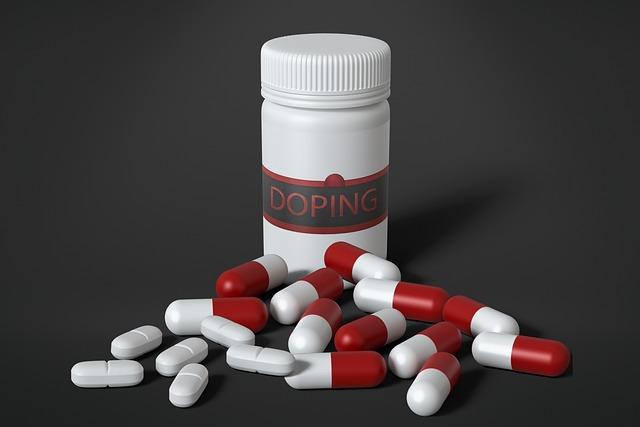
In a bold statement that echoes growing concerns within the cycling community, the Movement for Credible Cycling (MPCC) has urged the Union Cycliste Internationale (UCI) to take decisive action against what it describes as the “escalating medicalisation of the sport.” Highlighting the controversial use of performance-enhancing supplements, notably ketones and the painkiller Tapentadol, MPCC aims to draw attention to practices that could undermine the integrity of competitive cycling. With recent revelations raising eyebrows among athletes and fans alike, the call for reform signifies a pivotal moment in the ongoing battle against doping in sports and the need for stricter regulatory measures to preserve fair play on the global stage.
Anti-Doping Group Signals Alarm Over Increasing Medicalization in Cycling
The growing reliance on pharmacological aids in cycling has raised serious concerns among anti-doping advocates. The Movement for Credible Cycling (MPCC) has taken a firm stance, urging the Union Cycliste Internationale (UCI) to take action against what it describes as the “escalating medicalization” of the sport. This call comes in the wake of increased reports of high-profile athletes using substances such as ketones and Tapentadol, both of which have been scrutinized for their potential to enhance performance and blur the lines of fair competition. The MPCC argues that allowing these practices under the guise of medical treatment undermines the integrity of cycling and sets a dangerous precedent for athletes’ health and safety.
In a recent statement, the MPCC outlined its concerns, emphasizing the need for stringent regulations. They highlighted the following key issues:
- Health Risks: Dependence on performance-enhancing substances can lead to long-term health complications.
- Level Playing Field: The normalization of medicalized treatments risks creating a disparity between athletes with access to medical resources and those without.
- Integrity of the Sport: The enduring legacy of cycling is compromised when athletes rely on chemical aids to compete.
The MPCC’s challenge to the UCI could mark a pivotal moment in cycling’s approach to doping regulations, pushing for the sport to prioritize genuine athleticism over pharmacological performance enhancers to preserve the essence of competitive cycling.
Criticism of Ketone and Tapendatol Use Raises Ethical Concerns
The recent calls from the Movement for Credible Cycling (MPCC) to the Union Cycliste Internationale (UCI) highlight an increasing concern over the ethical implications of using substances like ketones and Tapendatol in professional cycling. Critics argue that these substances, while not traditionally classified as performance-enhancing drugs, blur the lines of fair competition and could lead to a slippery slope where athletes prioritize chemical enhancement over natural talents and rigorous training. This burgeoning reliance on pharmacological aids raises fundamental questions about the integrity of the sport and the values it espouses.
Furthermore, supporters of the MPCC’s position emphasize the need for stricter regulations and enhanced scrutiny regarding the medicalization of cycling. They point to the potential health risks associated with these substances, including reliance on external aids for performance, which can detract from the authenticity of athletic achievement. The ethics of surgical precision in enhancing performance draw attention to a broader societal discourse on doping and whether such practices reflect a systemic failure to foster a balanced sporting ethos.
| Substance | Use in Sports | Ethical Concerns |
|---|---|---|
| Ketones | Used for energy enhancement during endurance events | Perception of “cheating” through metabolic enhancement |
| Tapendatol | Analgesic for pain management | Can lead to misuse and dependency issues |
MPCC Advocates for Stricter Regulations to Preserve Sport Integrity
The Movement for Credible Cycling (MPCC), known for its staunch anti-doping stance, is urging the Union Cycliste Internationale (UCI) to implement stringent regulations aimed at curbing the rising medicalisation of cycling. Central to their concerns is the increasing use of substances like ketones and Tapendatol, which, while beneficial for performance enhancement, raise serious questions about the integrity of the sport. MPCC believes that the normalization of such substances creates an uneven playing field, compromising not only individual athlete health but also the sport’s broader credibility.
To bolster their argument, the MPCC has highlighted several key points regarding the implications of this trend:
- Health Risks: The long-term effects of these substances on athletes’ health remain poorly understood.
- Competitive Balance: Medicalised approaches to performance can create disparities among competitors.
- Public Perception: Continued lax regulations may fan public skepticism towards cycling’s integrity.
In response to these challenges, MPCC is calling for urgent discussions with the UCI to tighten regulations around performance-enhancing methods that blur the lines between medicinal aid and doping. They emphasize the need for a collective effort to safeguard cycling as a fair and clean sport for future generations.
To Conclude
In conclusion, the Movement for Credible Cycling (MPCC) has issued a strong statement urging the Union Cycliste Internationale (UCI) to take decisive action against what it describes as the troubling trend of increasing medicalization within professional cycling. By highlighting the controversial use of supplements such as ketones and the analgesic Tapentadol, the MPCC underscores the need for a more ethical approach to athlete health and performance. As the debate intensifies, the cycling community faces a critical juncture: balancing the pursuit of excellence with the fundamental principles of fairness and integrity. The UCI’s response to these mounting concerns will be pivotal in shaping the future of the sport and ensuring that its values are upheld for generations to come. As developments unfold, stakeholders from across the cycling world will be watching closely, as the implications of this call to action resonate far beyond the peloton.