






Dear Bike Industry: Please Don’t Take Away My High-End Mechanical Drivetrains
In recent years, advancements in bicycle technology have led to a wave of innovations that have revolutionized the cycling experience, from e-bikes to automatic shifting systems. However, amid this technological evolution, a growing concern among enthusiasts has emerged: the potential phasing out of high-end mechanical drivetrains. As the industry continues to focus on convenience and integration, many cyclists fear that the artistry and tactile satisfaction of mechanical systems could become relics of the past. This article explores the implications of this shift, the passionate voices advocating for the preservation of mechanical drivetrains, and why these systems remain an indispensable part of the cycling culture for many.
Preserving the Tradition: The Unique Appeal of High-End Mechanical Drivetrains
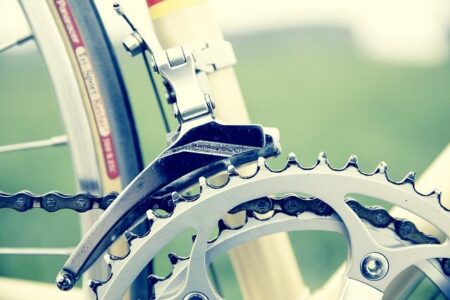
For cycling enthusiasts, high-end mechanical drivetrains represent more than just a means of propulsion; they are a testament to craftsmanship and tradition. The tactile feedback of a precise gear shift, the reassuring click of a derailleur, and the rich mechanical sounds conjure a sense of connection to both the bike and its heritage. As bicycle technology evolves with the embrace of digital systems, there remains an undeniable charm in the simplicity and reliability of mechanical setups. Many riders appreciate the predictability and ease of maintenance, especially when faced with various terrains and conditions. In a world increasingly dominated by electronic components, high-end mechanical drivetrains stand as a symbol of resilience against the impersonal nature of modern gadgets.
Moreover, the aesthetics of these drivetrains cannot be overlooked. Each component – from the polished levers to elegantly forged derailleurs – reflects both form and function, artfully blending engineering with artistry. Unlike their electronic counterparts, which may require specific tools and knowledge for repair, mechanical systems are often more accessible to the average cyclist. This accessibility fosters a deeper relationship between the rider and their bike, as they develop the skills to adjust, repair, and fine-tune their machines. As preferences fluctuate among consumers, the mechanical drivetrain’s unique combination of tactile sensations, elegant design, and mechanical simplicity ensures its place in the hearts of traditionalists and modern riders alike.
Understanding the Performance Edge: Why Mechanical Systems Still Reign Supreme
The ongoing debate between mechanical and electronic drivetrains often overshadows one undeniable truth: the raw, tactile feedback that mechanical systems offer is unmatched. For many cyclists, especially those who appreciate the art of bike mechanics, the thrill lies not just in the ride but in the ability to fine-tune their gear shifts with precision. With mechanical systems, riders can experience a direct connection with their bike, feeling every adjustment through the lever and derailleur. This intuitive engagement is something that electronic systems, despite their advancements, struggle to replicate. Furthermore, mechanical systems tend to be more durable and reliable in varied conditions, making them a preferred choice for enthusiasts who often tackle challenging terrains.
Additionally, mechanical drivetrains present significant advantages in terms of maintenance and repair. A quick glance at the typical bicycle repair toolkit reflects this ease of accessibility:
- Common tools: basic wrenches, screwdrivers, and a chain tool
- Less dependency on electronics: eliminating complex software glitches
- Cost-effective parts: easier to source and replace
For many, the ability to service their own bike not only fosters a deeper understanding of the mechanical systems at play but also nurtures a sense of community among cyclists. This hands-on approach reinforces the argument that high-end mechanical drivetrains remain an essential option in an increasingly digital world, ensuring that the heart of cycling remains rooted in simplicity and direct engagement.
Encouraging Innovation: A Call for the Continued Development of Premium Mechanical Options
The evolution of cycling technology has delivered incredible advancements, yet the allure of a high-performance mechanical drivetrain remains unmatched for many enthusiasts. Cyclists crave the tactile feedback and mechanical simplicity that premium options provide-features that electronic systems often lack. By preserving and promoting the development of top-tier mechanical drivetrains, the industry can cater to the fundamental needs of riders who prioritize reliability, serviceability, and the satisfaction of a perfectly tuned gear change. As bike manufacturers contemplate the future, it’s vital to remember that not everyone is seeking to trade the nuances of a classic gear system for the latest tech gimmick.
To support innovation while honoring tradition, a balanced approach is essential. Investing in the advancement of mechanical components can ensure they remain relevant and competitive against the burgeoning electronic market. Consider the benefits of continuing to refine and enhance mechanical options through:
- Improved materials for increased durability
- Enhanced precision engineering for smoother shifting
- Incorporation of lightweight designs without sacrificing strength
With a focus on developing a more robust mechanical range, the industry stands to tap into a passionate segment of the cycling community. By fostering environments where premium mechanical options continue to thrive, we not only honor the roots of cycling but also ensure that every pedaled revolution remains an exhilarating experience.
In Retrospect
As the bicycle industry continues to evolve, the debate surrounding high-end mechanical drivetrains is becoming increasingly significant. Enthusiasts and professionals alike fear that a shift towards more automated systems could undermine the tactile, mechanical experience that many riders cherish. The call to action is clear: stakeholders must recognize the value of variety and preserve the integrity of high-end mechanical options for those who seek precision, engagement, and the joy of traditional cycling. As we pedal into the future, let us not forget the roots of our sport and the passionate voices that echo the sentiment: high-end mechanical drivetrains are not merely tools, but an essential part of the cycling experience. The future of biking should reflect both innovation and respect for the past.