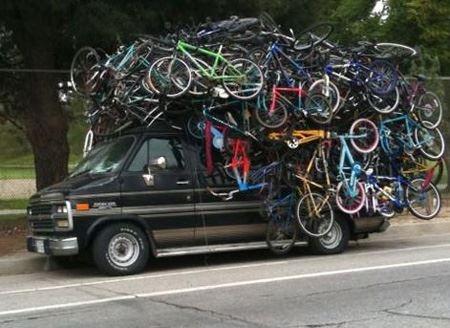
In cities across the globe, an unexpected urban challenge is emerging: too many bikes clogging streets, sidewalks, and bike racks. As cycling surges in popularity-fueled by environmental concerns, health trends, and the rise of bike-sharing programs-municipalities are grappling with how to manage the growing fleets of bicycles that threaten to overwhelm public spaces. This article explores the causes and consequences of the bike surplus, examining the impact on infrastructure, commuter safety, and city planning efforts aimed at striking a balance between promoting sustainable transportation and maintaining orderly urban environments.
Urban Congestion and the Rise of Bicycle Clutter
As cities worldwide struggle with swelling populations and limited space, bicycles have surged in popularity as an eco-friendly and efficient alternative for urban transport. However, this rise has brought an unexpected challenge: the proliferation of abandoned or improperly parked bikes, turning sidewalks and public spaces into cluttered obstacles. Pedestrians, especially those with disabilities or parents with strollers, increasingly face difficulties maneuvering through these congested areas, sparking concerns about public safety and urban aesthetics.
Key impacts of bicycle clutter include:
- Blocked pedestrian pathways
- Increased risk of accidents and injuries
- Visual pollution in historic and commercial districts
- Hindered emergency access routes
| City | Estimated Bikes Abandoned | Annual Complaints |
|---|---|---|
| Amsterdam | 12,000 | 1,500 |
| Beijing | 85,000 | 8,700 |
| New York | 6,500 | 900 |
| Paris | 7,200 | 1,200 |
The Environmental and Safety Impacts of Excessive Bike Parking
Urban landscapes overwhelmed by an abundance of parked bicycles face several unintended consequences. Overflowing racks and makeshift bike stacks often spill onto sidewalks, obstructing pedestrian pathways and increasing the risk of collisions. This clutter not only diminishes accessibility for people with disabilities but also challenges emergency responders by blocking critical access points. Moreover, the concentrated buildup of metal bikes in public spaces contributes to visual pollution, altering neighborhood aesthetics and potentially lowering property values.
From an environmental standpoint, excessive bike parking creates hotspots of wear and tear on urban infrastructure. The constant weight and pressure damage pavements and curbs, leading to increased municipal maintenance costs. Additionally, improperly secured bikes are more susceptible to damage from weather exposure, accelerating material degradation and waste. The table below illustrates typical issues linked to excessive bike parking and their corresponding impacts:
| Issue | Impact | Example |
|---|---|---|
| Sidewalk Obstruction | Increased pedestrian accidents | Narrowed walking space near transit hubs |
| Infrastructure Damage | Costly repairs and maintenance | Cracked pavements in busy bike parking zones |
| Visual Clutter | Reduced neighborhood appeal | Stacked bikes in historic districts |
| Environmental Waste | More frequent bike disposal | Rusting abandoned bikes in public areas |
Strategic Solutions to Manage Bicycle Overflow in City Centers
To alleviate the growing issue of bicycle congestion in urban cores, municipalities are adopting multifaceted approaches that balance convenience with order. Prioritizing designated parking zones equipped with smart locking systems not only curbs random bike placements but also improves user accessibility. These zones employ real-time monitoring technologies that alert city officials when capacity is nearing limits, enabling preemptive management before chaos ensues. Alongside this, incentivizing commuters through discounted fees or exclusive perks encourages proper use of official racks, reducing the temptation to leave bicycles haphazardly on sidewalks and public spaces.
Another innovative tactic lies in reimagining public spaces to accommodate the cycling boom. Temporary pop-up bike parks can be deployed during peak seasons or events, offering quick relief without permanent alterations. Urban planners are collaborating with local businesses to integrate custom bike storage solutions, creating a network of micro-hubs that distribute bike parking more evenly throughout the city. Below is a comparative overview of key strategies currently being piloted across major cities:
| Strategy | Key Feature | Primary Benefit |
|---|---|---|
| Smart Locked Zones | Real-time capacity alerts | Prevents overcrowding |
| Incentive Programs | Discounted parking fees | Encourages compliance |
| Pop-up Bike Parks | Seasonal temporary racks | Flexibility during high demand |
| Micro-hub Networks | Distributed parking locations | Reduces localized congestion |
To Conclude
As cities grapple with the growing presence of bicycles in public spaces, the challenges posed by “too many bikes” underscore the need for balanced urban planning. While cycling remains a vital component of sustainable transportation, authorities must address issues such as overcrowded bike lanes, improper parking, and maintenance concerns to ensure safety and accessibility for all commuters. The ongoing dialogue between city officials, residents, and cycling advocates will be crucial in shaping policies that accommodate the two-wheeled surge without compromising the urban environment.