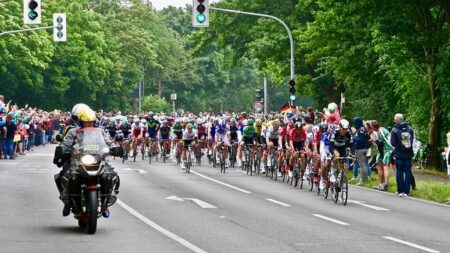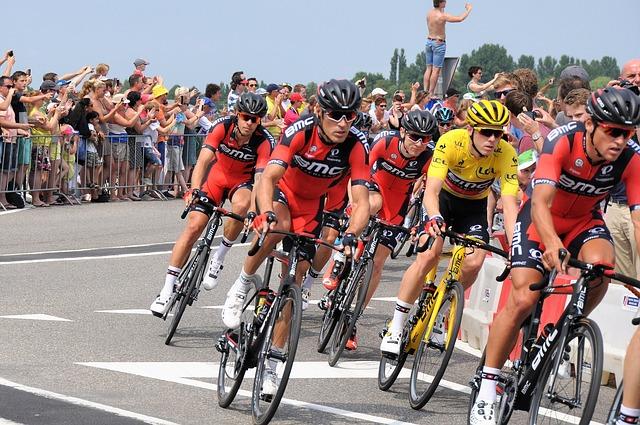
In a shocking turn of events during Stage 15 of the Tour de France, Colombian cyclist Einer Rubio has been forced to withdraw from the prestigious cycling race after colliding with a UAE Team Emirates support car. The incident occurred on the iconic Alpe d’Huez, a challenging ascent that has long been a highlight of the Tour. Eyewitnesses reported that the UAE car came to a sudden stop on the narrow mountain road, leading to a devastating crash involving Rubio. The fallout of this accident not only eliminates the rising star from the competition but also raises concerns about the safety protocols in place during one of the world’s most grueling sporting events. As fans and teams alike react to the news, the cycling community is left to grapple with the implications of this unexpected development.
Einer Rubio’s Tour de France Hopes End in Ashes Following Harrowing Crash
In a devastating turn of events on the iconic slopes of Alpe d’Huez, Einer Rubio’s ambitions for the Tour de France came to a crushing halt after colliding with a UAE Team Emirates vehicle. Witnesses report that the car, en route to assist the team, came to an abrupt stop, leaving Rubio with little time to react as he was pursuing the peloton. The impact resulted in severe injuries, prompting immediate medical attention on site. Team staff held their breath, hoping for a miracle as the promising cyclist was transported to a nearby hospital for further evaluation.
The incident has sparked a wave of concern regarding safety regulations within the peloton, especially on treacherous terrains like Alpe d’Huez. As the cycling community rallies around Rubio, calls for increased awareness and better vehicle management during competitive events have intensified. Key points regarding the crash include:
- Location: Alpe d’Huez, known for its steep gradient and challenging conditions.
- Injuries: Reports indicate potential fractures and significant abrasions.
- Response: Swift action from paramedics ensured Rubio received urgent care.
The repercussions of this incident extend beyond Rubio himself, raising questions about the protocols followed by support teams during high-stakes races. As he faces a lengthy recovery process, fans and fellow cyclists alike are left reflecting on the precarious nature of competitive cycling, where dedication often teeters on the edge of danger.
Investigating the Accidental Collision: Safety Protocols for Team Vehicles in Elite Cycling
The recent incident involving Einer Rubio colliding with a parked UAE Team Emirates vehicle on the treacherous Alpe d’Huez has reignited discussions surrounding the crucial safety protocols that govern team vehicles within elite cycling. The sudden stop of the car, amidst the high-pressure environment of a Tour de France stage, raises questions about communication and situational awareness among team staff and riders. To mitigate the risks associated with team cars and ensure the safety of cyclists, several key protocols should be reinforced:
- Clear Communication Channels: Establishing robust communication systems between team directors, riders, and vehicle operators to ensure real-time updates on race dynamics.
- Designated Parking Zones: Implementing well-marked and appropriately distanced zones for team vehicles to halt, minimizing obstruction on the course.
- Vehicle Safety Training: Regular training for support staff on effective strategies to maneuver vehicles safely amidst racing conditions.
- Incident Reporting Mechanisms: Instituting a transparent process to report and analyze accidents, fostering continuous improvement in safety measures.
Following the crash that sidelined Rubio, it is paramount for cycling teams and race organizers to reassess existing protocols. The potential for serious accidents increases dramatically in critical moments of a race, highlighting the necessity for adherence to safety guidelines. In light of this, a review of safety measures could include:
| Current Protocol | Proposed Improvement |
|---|---|
| Vehicles allowed to park anywhere on course | Strictly enforced designated zones for parking |
| Ad-hoc communication between riders and cars | Real-time GPS tracking with direct communication lines |
| Lack of standardized emergency response | Mandatory first aid training for all team staff |
Lessons Learned: Enhancing Rider Safety and Preventing Future Accidents on Iconic Climbs
The recent crash involving Einer Rubio on the iconic Alpe d’Huez has sparked an urgent conversation around the need for enhanced safety measures within the professional cycling circuit. As riders navigate these challenging climbs, the presence of support vehicles is essential but must be managed more effectively. In light of this incident, it is crucial for teams to establish clear protocols to ensure that vehicles do not abruptly stop in harm’s way. Moreover, riders must be equipped with the tools and training necessary to anticipate potential hazards, particularly on downhill stretches and technical descents.
Furthermore, events such as the Tour de France should consider implementing advanced communication systems between team staff and race officials to improve awareness of traffic conditions. Key strategies might include:
- Regular safety drills for riders and team staff.
- Mandatory distance regulations for support vehicles on climbs.
- Real-time communication updates regarding road conditions and other obstacles.
| Safety Measure | Potential Impact |
|---|---|
| Clear vehicle stopping protocols | Reduces collision risks |
| Enhanced rider training | Improves hazard recognition |
| Real-time communication systems | Increases situational awareness |
Wrapping Up
In conclusion, Einer Rubio’s unfortunate exit from the Tour de France due to his collision with a UAE Team Emirates car marks a significant moment in this year’s race, highlighting the unpredictability and inherent dangers of competitive cycling. As the riders continue to navigate the challenging terrain of Alpe d’Huez, the incident serves as a stark reminder of the complexities that lie beyond the physical demands of the sport. The cycling community will undoubtedly rally around Rubio during his recovery, while the race itself carries on with heightened awareness of safety protocols. As we look forward to the coming stages, the focus will remain on the remaining athletes as they battle for glory in one of cycling’s most prestigious events.