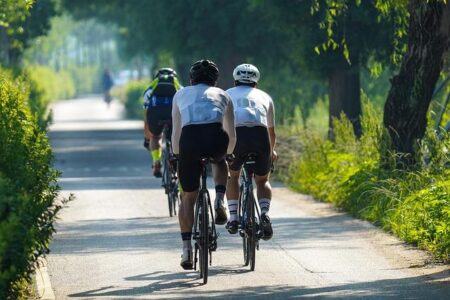
As the 2026 Giro d’Italia barrels into its second week, the anticipation surrounding the race has reached a fever pitch among cycling enthusiasts and competitors alike. Renowned for its challenging mountain terrains and unpredictable weather, this year’s edition promises a battleground for breakaway specialists seeking to make their mark. With key stages featuring steep climbs, technical descents, and potential opportunities for daring escapes, the second week presents an ideal landscape for riders who thrive on solo adventures or small group tactics. In this article, we delve into the strategic nuances that define the week ahead, identifying the profiles of athletes poised to seize the moment and assess the conditions that could shape their success. As the peloton transitions from the more controlled pace of the opening week to the chaotic yet thrilling dynamics of the mountains, the perfect time to initiate a breakaway may be just around the corner.
The Crucial Role of Terrain and Weather in Week Two of the Giro d’Italia
The second week of the 2026 Giro d’Italia is poised to be a decisive segment, and the interplay of terrain and weather conditions is set to redefine race strategies. Riders will be confronted with a mix of challenging ascents and technical descents, typical of the Italian landscape. Iconic stages that feature steep mountain passes and narrow winding roads will not only test the physical endurance of cyclists but also their tactical acuity, especially under variable weather conditions. Rain-soaked roads and sudden temperature drops could present pitfalls for the inexperienced, making the ability to adapt crucial for success.
As the Giro approaches its high-altitude challenges, a noticeable trend of breakaways may emerge during these stages, providing an ideal opportunity for specialists in this strategy to shine. The potential for dense fog, heavy rain, or even late-season hail storms could disrupt the pack’s cohesion, allowing smaller groups to escape and establish significant leads. Key factors to monitor will include:
- Elevation Profiles: Steeper gradients favor climbers and breakaway attempts.
- Weather Patterns: Forecast variations can change the risk dynamics within the peloton.
- Team Strength: The complexity of terrain demands strong teamwork for navigating tough conditions.
| Stage | Terrain Type | Weather Forecast |
|---|---|---|
| Stage 10 | Mountain | Rain with possible fog |
| Stage 11 | Hilly | Partly cloudy, light temperatures |
| Stage 12 | Flat | Sunny, mild winds |
Key Breakaway Opportunities: Stages to Watch for Tactical Riders
As the 2026 Giro d’Italia unfolds, tactical riders looking to capitalize on breakaway opportunities should focus on several pivotal stages in the second week. Stages characterized by challenging terrains, unpredictable weather, and strategic elevation changes are often prime ground for brave solo efforts or well-coordinated group escapes. Key stages to monitor include:
- Stage 8: A hilly route that tests the peloton’s endurance, offering an ideal landscape for breakaway specialists to establish a lead.
- Stage 10: Featuring steep climbs and technical descents, this stage’s unpredictable profile provides fertile ground for daring attacks.
- Stage 12: With a mix of flat stretches and mountainous challenges, tactical riders can exploit moments of fatigue within the bunch to launch their assaults.
Moreover, it’s essential to keep an eye on the weather conditions that could influence decision-making on these key stages. A sudden change, like rain or wind, can turn a conservative race strategy upside down, creating chaos and opportunities alike. Here’s a brief overview of what to watch for:
| Stage | Terrain Type | Weather Impact |
|---|---|---|
| Stage 8 | Rolling Hills | Potential rain, leading to slippery roads |
| Stage 10 | Moutainous | Windy conditions could favor breakaway efforts |
| Stage 12 | Mixed | Hot temperatures may increase fatigue |
Predicting Team Strategies: How Formations Will Shape Breakaway Scenarios
The dynamics of the 2026 Giro d’Italia will likely hinge on team strategies crafted around their formations, which will play a crucial role in shaping breakaway scenarios. As teams assess their strengths and weaknesses, they must consider the terrain for the upcoming stages. Typically, the second week features a mix of challenging climbs and flatter sections, making it imperative for teams to formulate plans that maximize their riders’ potential. Key strategies to watch for include:
- Flexible formations: Teams may shift between aggressive attacking and defensive formations depending on race dynamics.
- Protective roles: Designated riders will be tasked with shielding their team’s climbers from peloton pressure.
- Speed trains: Expect to see formations designed to reel in breakaways or support a last-minute sprint.
Additionally, team synergy will be essential in executing successful breakaway attempts. Riders will need to communicate effectively, exploiting their formations to create gaps and utilize the element of surprise. A well-timed attack from a cohesive team, able to read the race and adapt to shifting circumstances, could redefine the standings. Analyzing previous performances can illuminate which teams are likely to be the most opportunistic in these situations. Here’s a summary of notable teams and their current breakaway potential:
| Team | Breakaway Strength | Key Riders |
|---|---|---|
| Team A | High | Rider 1, Rider 2 |
| Team B | Medium | Rider 3, Rider 4 |
| Team C | Low | Rider 5 |
In Retrospect
As the second week of the 2026 Giro d’Italia approaches, all eyes will be on the climbers and breakaway specialists who thrive in this pivotal phase of the race. With the challenging stages that lie ahead, riders will need not only physical endurance but also tactical acumen to seize opportunities for stage wins and vital time gains. As teams strategize to protect their leaders and challenge for positions, the mountains will serve as both battlegrounds and launchpads for those daring enough to break free from the pack.
Expect thrilling developments as intense battles unfold in the brutal ascents and unpredictable weather, testing both the physical and mental fortitude of the riders. The dynamics of teamwork versus individual ambition will create a fascinating narrative, elevating the Giro’s signature drama to new heights. As fans gear up for this week of exhilarating competition, one thing remains clear: the Giro d’Italia’s spirit of endurance, strategy, and resilience will shine brightly, inviting global viewers to witness cycling at its finest once again.