







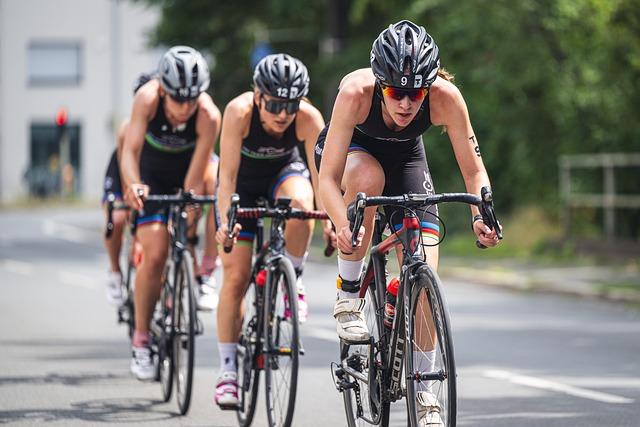
In the world of professional cycling, the rise of super teams has transformed the sport into a high-stakes arena where strategy, sponsorship, and sheer financial clout play pivotal roles. With multi-million dollar budgets at their disposal, these teams have redefined the parameters of competitiveness, attracting top-tier talent and cutting-edge technology in pursuit of victory. But where does all that money actually go? From elite athlete salaries to advanced training facilities, innovative equipment, and sophisticated support systems, the financial investments of cycling’s super teams reveal a complex web of priorities aimed at gaining every possible advantage on the road. In this article, we delve into the intricate financial structures of these cycling giants, exploring how they allocate their resources and the impact these decisions have on the teams’ performance and the sport as a whole.
Investment Strategies of Cycling Super Teams in Talent Development
Cycling super teams are increasingly recognizing the importance of talent development as a cornerstone of their long-term strategies. Their investments are not merely about recruiting established stars but are aimed at forging the next generation of cycling talent. This involves a multi-faceted approach, concentrating on various critical initiatives, including:
- Youth Development Programs: Many teams have established academies to nurture young riders, offering coaching, resources, and competition opportunities.
- Partnerships with Local Cycling Clubs: Collaborations with grassroots organizations help identify promising talent early.
- Scholarship Opportunities: Financial support is offered to talented youths, ensuring they can focus on training without economic burdens.
Moreover, super teams are harnessing data analytics and technology to enhance training methodologies. They leverage advanced tools to monitor athletes’ performance, physiological data, and recovery rates, providing personalized training plans. This technological investment complements the budget allocated to:
| Investment Area | Estimated Annual Budget |
|---|---|
| Technical Staff Salaries | $2 million |
| Equipment and Gear | $1 million |
| Rider Development Programs | $1.5 million |
| Research and Analytics | $500,000 |
The commitment to these areas not only enhances the competitive edge of super teams but also contributes to the overall growth of the sport, ensuring a sustainable path for future champions.
The Role of Sponsorship and Brand Partnerships in Team Budget Allocation
In the competitive world of professional cycling, sponsorship and brand partnerships play a pivotal role in shaping team budgets and overall financial health. These collaborations provide teams with the necessary funding to cover various operational costs, ranging from athlete salaries to equipment purchases. Teams often look for partners that align with their values and image, ensuring a mutual benefit that goes beyond mere financial exchange. This strategic alignment attracts brands seeking visibility and reputation enhancement within the cycling community and beyond.
A breakdown of budget allocation reveals how vital these partnerships are. Typically, the contributions from sponsors can cover:
- Team salaries – The lifeblood of any cycling team, which includes not just riders but also coaches and support staff.
- Equipment and gear – High-performance bicycles, apparel, and accessories essential for competitive success.
- Logistics and travel costs – Ensuring teams can participate in international events, encompassing transport, accommodation, and food.
To further illustrate this dependence, consider the following hypothetical sponsorship breakdown:
| Budget Item | Percentage of Total Budget | Sponsor Contribution |
|---|---|---|
| Team Salaries | 40% | $2 million |
| Equipment | 30% | $1.5 million |
| Logistics | 20% | $1 million |
| Marketing & Promotions | 10% | $500,000 |
This structure not only highlights the significant financial influx from sponsorships but also emphasizes how adept teams must be at managing these resources effectively to navigate the complexities of the cycling industry. The ongoing quest for new and sustainable partnerships is crucial for ensuring long-term viability in a sport where financial stability can make all the difference.
Maximizing Performance: How Super Teams Optimize Equipment and Technology Spending
To achieve peak performance on the world stage, super teams in cycling allocate funds strategically toward optimizing their equipment and technological capabilities. A significant portion of their budget is devoted to high-performance bicycles, which are engineered using the latest materials and designs. Advanced aerodynamics and lightweight construction allow these bikes to cut through the wind more efficiently. Teams also invest in precision measurement tools and data analytics software, which help collect and analyze data on rider performance, ultimately refining training regimens and race strategies. With these investments, teams ensure they stay ahead in the ever-competitive cycling arena.
Technology spending extends beyond just equipment. Teams focus on sophisticated training technologies such as wind tunnels and motion capture systems that provide invaluable insights into rider dynamics. Moreover, wearable tech, like heart rate monitors and GPS trackers, allows for real-time monitoring of athletes’ conditions, ensuring optimized performance both in training and during races. The strategic allocation of resources in these areas not only maximizes their current potential but also fosters innovation for future seasons. The way these super teams approach their financial outlay can be summarized in the following table, illustrating key spending categories:
| Spending Category | Focus Areas |
|---|---|
| Bicycles | Materials, Design, Aerodynamics |
| Measurement Tools | Performance Analytics, Data Collection |
| Training Technologies | Wind Tunnels, Motion Capture |
| Wearable Tech | Heart Rate Monitors, GPS |
Wrapping Up
In conclusion, the financial machinations of cycling’s super teams reveal much more than mere numbers; they reflect a strategic vision that shapes the future of the sport. From investing in cutting-edge technology and athlete welfare to forging partnerships with prominent sponsors, these teams are not just competing on the road but are also crafting a blueprint for sustainability and innovation. While the influx of millions presents both opportunities and challenges, it is clear that the careful allocation of these resources will play a pivotal role in determining the success of these teams in the coming seasons. As cycling continues to evolve, the design and distribution of these financial assets will undoubtedly influence not just the dynamics within the peloton, but also the very nature of professional cycling itself. As fans and stakeholders look on, the question remains: how will these strategic investments translate into performance, and can the financial prowess of these super teams lead to a new era in competitive cycling? Only time will tell.