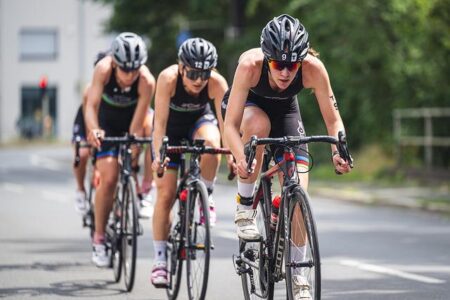
In a remarkable display of prowess, Lorena Wiebes secured her second victory in as many stages of the Tour of Britain Women after an unprecedented race neutralization extended for nearly an hour due to adverse weather conditions. As the competitors faced challenging circumstances, Wiebes demonstrated her resilience and tactical acumen, capitalizing on the unique race dynamics to clinch the win. This article delves into the dramatic stage two of the Tour of Britain, exploring the implications of the neutralization and Wiebes’ path to success against the backdrop of ever-changing race conditions. With her two consecutive triumphs, the young sprinter is quickly solidifying her position as a standout contender in women’s cycling.
Lorena Wiebes Shines on Stage Two of Tour of Britain Women as Race Faces Unprecedented Hour of Neutralization
Lorena Wiebes once again displayed her formidable sprinting prowess in the second stage of the Tour of Britain Women, overcoming not only her competitors but also the unusual challenge of a prolonged hour of neutralization. The race was halted due to inclement weather, forcing teams and riders to regroup and reassess their strategy amidst the unexpected downtime. When the race resumed, Wiebes wasted no time asserting her dominance, showcasing her exceptional speed and tactical acumen as she stormed to victory, making her intentions clear for the stages to come.
The neutralization period proved to be a critical moment in the race, as it allowed teams to recalibrate their approach. Some key takeaways from this unprecedented occurrence include:
- Strategic Planning: Teams had to quickly adjust their strategies and communications to prepare for the final push.
- Rider Mindset: Maintaining focus and motivation during the break was essential, especially for sprinters like Wiebes.
- Resumption Dynamics: The challenge was to regain momentum quickly after resuming racing.
This victory not only marks Wiebes’ remarkable performance but positions her as a strong contender in the overall standings, turning the spotlight on her potential to clinch further stages as the competition unfolds.
Analysis of Tactical Shifts in Women’s Cycling Amid Race Disruptions
The second stage of the Tour of Britain Women saw a significant shift in race dynamics, following an hour-long neutralization due to unexpected race disruptions. This pause not only affected the momentum of the riders but also required teams to recalibrate their strategies. Teams had to navigate the psychological implications of a halted race, adjusting their approach based on variables such as fatigue levels, weather changes, and the ongoing tactics employed by their rivals. The neutralization period provided a rare opportunity for tactical discussions among the riders and their team staff, leading to a reevaluation of race plans as they prepared for the final stretch.
The aftermath of the race neutralization highlighted the resilience and adaptability of women’s cycling athletes. Lorena Wiebes capitalized on the break in the action and showcased her tenacity by clinching victory on stage two. Her team’s strategic maneuvering included:
- Pacing Adjustments: Riders carefully moderated their energy output during the neutralized segment.
- Real-time Decision Making: Staff provided updates and reassessments based on competitors’ statuses.
- Strength in Numbers: Wiebes relied on her team’s support to drive the pace post-neutralization.
Such scenarios emphasize the necessity for adaptable strategies in women’s cycling, particularly during unpredictable race conditions. Not only because of the immediate impact on performance but also for long-term implications on team dynamics and competitive integrity. Future races may require teams to develop even more refined tactical portfolios to respond adeptly to similar disruptions.
Key Takeaways for Teams from Lorena Wiebes’ Dominating Performance in Challenging Conditions
Wiebes’ victory underlined the importance of adaptability and resilience in competitive sports. The race’s neutralization for an hour tested not only physical endurance but also mental fortitude. Teams can learn that success often hinges on how well they can adjust their strategies to unforeseen circumstances. A pre-planned approach may not always suffice; being able to read the race and respond effectively in real-time can prove crucial. This leads to the need for fostering a strong communication framework within teams, allowing riders to convey their needs and observations promptly during races.
Moreover, the conditions during the race served as a reminder of the significance of team support and collaboration. As Wiebes demonstrated, having a cohesive unit can enhance performance, especially in unpredictable situations. Teams should invest time in building trust and rapport among members to ensure that when the pressure mounts, they can rely on each other for guidance and support. The ability to execute team-based tactics, such as pacing and blocking competitors, becomes essential in challenging conditions. Here are key aspects teams should focus on:
| Aspect | Focus Points |
| Communication | Regular updates during races, clarity on strategy changes |
| Teamwork | Trust-building exercises, practicing race scenarios together |
| Adaptability | Training sessions that simulate varying conditions, developing quick decision-making skills |
The Conclusion
In a remarkable display of resilience and skill, Lorena Wiebes secured her second consecutive victory in Stage Two of the Tour of Britain Women, a race that faced a significant interruption due to adverse weather conditions. The race, which was neutralised for nearly an hour as teams navigated through challenging circumstances, ultimately provided Wiebes with an opportunity to showcase her sprinting prowess once the competition resumed. This victory not only reinforces Wiebes’ position as a leading contender in the Tour but also highlights the unpredictable nature of professional cycling, where conditions can shift dramatically and require athletes to adapt swiftly. As the teams prepare for the next stage, all eyes will be on Wiebes to see if she can maintain her lead in this highly competitive field, making for an exhilarating continuation of the Tour of Britain Women.