







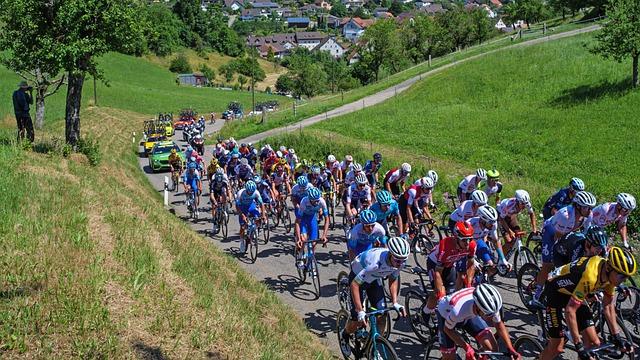
Tour de Romandie Féminin: Paula Blasi Opens with Prologue Victory Amid Tracker Controversy
Paula Blasi sprinted to victory in the prologue of the Tour de Romandie Féminin, showcasing her skills in a fiercely competitive field. However, the excitement of the race was tempered by a brewing controversy surrounding the use of tracking devices that has sparked heated debate among teams and organizers. As the peloton gears up for the stages ahead, the implications of this dispute could overshadow the athletic performances on display in one of women’s cycling’s premier events. With tensions running high, fans and athletes are left to wonder how this controversy will unfold throughout the duration of the race.
Paula Blasi Dominates Prologue at Tour de Romandie Féminin Amid Controversy
In a thrilling display of speed and skill, Paula Blasi emerged victorious in the prologue of the Tour de Romandie Féminin, setting a blistering pace that left her competitors trailing. Blasi’s performance was not only a testament to her training and determination but also came under the scrutiny of controversy surrounding the use of tracking devices by several participating teams. As the race unfolded, questions arose regarding the rules and regulations governing the implementation of such technology, which some argued provided an unfair advantage to certain competitors.
Amid the excitement of the race, the dispute over trackers has overshadowed Blasi’s impressive achievement. Key highlights from the prologue include:
- Blasi’s time: Clocking in at an astonishing 12:34, she demonstrated her dominance over the challenging course.
- Controversial tracking: Teams using trackers faced criticism from peers, leading to a heated debate in the cycling community.
- Fan engagement: Despite the controversy, fan support for Blasi and other athletes remained fervent, drawing significant attention to the event.
Dispute Over Tracker Usage Raises Questions on Fair Play in Women’s Cycling
The recent controversy regarding the use of performance trackers in women’s cycling has ignited a fierce debate among teams, cyclists, and fans alike. Accusations have emerged that certain riders are leveraging these technologies not just for performance monitoring, but as strategic tools during competition. This raises critical questions about the equity of competition, especially when considering the varying levels of access and how much reliance on such devices can alter race dynamics. Critics argue that the inconsistency in tracker enforcement among teams hints at deeper issues within the framework of women’s cycling, leading to demands for clearer regulations and standardized practices.
As cycling authorities navigate this complex landscape, the implications stretch beyond just the riders involved. Stakeholders advocate for a thorough investigation to ensure fairness, calling for transparency in both technology usage and its impact on the integrity of the sport. Some possible points for consideration include:
- Equity in technology access: Are all teams provided with the same level of support and tools?
- Impacts on athlete strategy: How do trackers influence racing tactics and rider performance?
- Potential for exploitation: Are there loopholes that could be exploited to gain an unfair advantage?
This debate is emblematic of the broader struggle for respect and recognition in women’s cycling, as athletes like Paula Blasi, who recently claimed victory in the Tour de Romandie Féminin prologue, continue to shine amidst the controversies that could overshadow their achievements.
Recommendations for Addressing Technology Discrepancies in Competitive Racing
To ensure fairness and maintain the integrity of competitive racing, several steps can be taken to address the ongoing technology discrepancies highlighted by the recent events at the Tour de Romandie Féminin. Implementing standardized technology protocols across all teams can help create a level playing field. This includes uniformity in tracking devices, data transmission methods, and communication systems used during races. Establishing a governing body oversight committee that includes representatives from all teams can facilitate open discussions about technological equipment and potential issues, ultimately fostering a culture of transparency and collaboration.
Furthermore, investing in independent audits and assessments of technology used in races is crucial. This could involve hiring third-party experts to test and validate the tools in use, ensuring that they meet agreed-upon specifications for accuracy and reliability. Teams could also be encouraged to share insights regarding their technology and race strategies in a manner that complies with competitive integrity. By promoting an environment of shared learning and innovation, all participants stand to benefit, leading to enhanced competition and minimizing disputes over technological reliability during critical events.
Final Thoughts
In conclusion, the opening prologue of the Tour de Romandie Féminin has set the stage for what promises to be an intense and closely contested race. Paula Blasi’s remarkable victory highlights her talent and determination as she seeks to make a mark in the professional cycling circuit. However, the controversy surrounding the use of GPS trackers has emerged as a significant point of contention among teams, prompting discussions about athlete privacy and safety in competitive cycling. As the race unfolds, it will be essential to monitor how these issues impact the dynamics of the competition and the athletes involved. With several days of racing ahead, all eyes will be on Blasi and her competitors as they navigate both the challenges on the road and the contentious backdrop shaping this year’s event.