

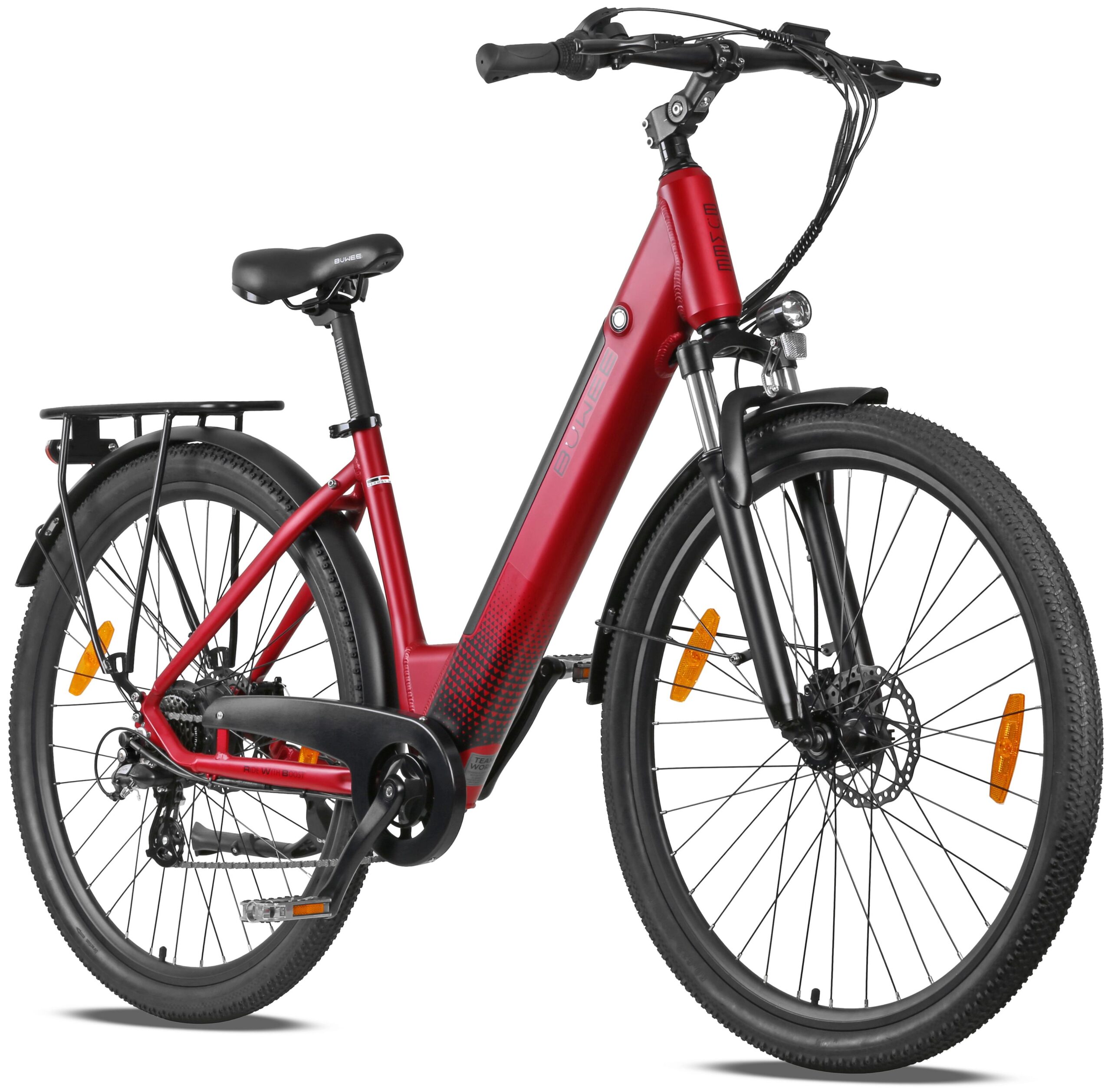
In recent years, the surge in electric bicycle-or e-bike-popularity has sparked a significant shift in urban mobility, challenging traditional notions of transportation and infrastructure. As cities worldwide grapple with congestion, pollution, and sustainable development goals, the debate intensifies over how best to integrate e-bikes into existing traffic ecosystems. The phrase “putting the e-bike before the horse” captures this transformative moment, reflecting both the promise and the growing pains of prioritizing electric two-wheelers in modern transit planning. This article explores the cultural, environmental, and policy implications of elevating the e-bike as a cornerstone of next-generation urban travel.
Rethinking Urban Commutes with E-Bikes Expanding Infrastructure to Support Sustainable Mobility Bridging the Gap Between Traditional Cycling and E-Bike Adoption
Urban landscapes are rapidly evolving to accommodate an influx of e-bike riders, challenging long-held perceptions of city commuting. Municipalities worldwide recognize that expanding dedicated lanes and secure parking options are essential to encourage sustainable mobility and reduce reliance on motor vehicles. This proactive approach not only mitigates congestion and pollution but also makes daily travel more accessible to a broader demographic, including those who may have shunned traditional cycling due to physical limitations or distance concerns. Investment in smart infrastructure is proving pivotal, as connectivity between residential areas, workplaces, and transit hubs improves substantially.
Bridging the gap between traditional cycling enthusiasts and e-bike adopters requires thoughtful urban planning and community engagement. Cities advancing their e-bike networks often implement programs that emphasize education on safety and maintenance, while incentivizing trials through subsidies or bike-sharing schemes. Below is a snapshot of key elements driving e-bike integration:
| Focus Area | Impact |
|---|---|
| Expanded Bike Lanes | Reduces accidents & increases rider confidence |
| Secure Parking Facilities | Encourages longer-term use & reduces theft |
| Subsidies & Incentives | Boosts adoption rates, especially among new users |
| Community Workshops | Promotes safe riding and maintenance knowledge |
- Promoting inclusivity: E-bikes lower barriers by catering to various age groups and fitness levels.
- Complementing public transit: E-bikes serve as an efficient “last mile” solution.
- Driving environmental goals: They represent a cleaner alternative to short car trips.
Key Takeaways
As cities and consumers increasingly embrace sustainable transportation, the rise of the e-bike signals more than just a shift in how we travel-it reflects a fundamental rethinking of mobility priorities. Putting the e-bike before the horse is not merely a catchy phrase but a call to action for policymakers, urban planners, and commuters alike to recognize the potential of electric-assisted cycling as a key player in reducing congestion and cutting emissions. While challenges remain, the momentum behind e-bikes suggests that this mode of transport is poised to take a leading role in shaping the future of urban mobility.