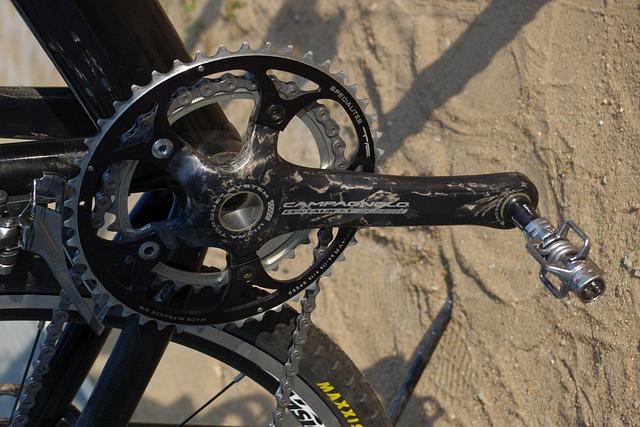
Shimano to Pay $11.5 Million Penalty for Failing to Report Crankset Hazard
In a significant legal settlement, Shimano, the renowned bicycle component manufacturer, has agreed to pay an $11.5 million penalty following allegations of failing to report a critical safety hazard associated with its cranksets. The decision comes after a thorough investigation by federal regulators who found that the company neglected to notify the U.S. Consumer Product Safety Commission (CPSC) of potential dangers posed by certain crankset models. The settlement not only marks a financial repercussion for Shimano but also raises questions about corporate responsibility in ensuring consumer safety. As the cycling community awaits further details, this case underscores the imperative of vigilance in reporting product defects and maintaining the highest safety standards in the industry.
Shimano Faces Consequences for Underreporting Crankset Safety Risks
Shimano’s recent settlement of $11.5 million highlights significant lapses in safety communication concerning their crankset products. The company faced allegations that they knowingly underreported the risks associated with specific crankset models, potentially endangering consumers. An internal investigation revealed that crucial safety data were not filed in a timely manner, leading to regulatory scrutiny. As a result, several cyclists reported incidents of failure, prompting calls for greater accountability within the cycling industry.
The implications of this settlement extend beyond financial penalties. Shimano is now mandated to overhaul its product safety reporting practices, which may include:
- Enhanced Safety Protocols: Implementation of stricter internal audits on product safety.
- Transparency Measures: Regular public disclosures on safety testing and incident reports.
- Consumer Education: Initiatives aimed at informing users about potential risks associated with their products.
This incident serves as a pressing reminder for manufacturers in the sporting goods sector that consumer safety must always be prioritized. The cycling community, already sensitive to equipment reliability, will be keenly observing Shimano’s next steps in rebuilding trust.
Regulatory Oversight in the Bicycle Industry: Lessons from Shimano’s Penalty
The recent penalty imposed on Shimano-a staggering $11.5 million-serves as a critical reminder of the importance of regulatory oversight within the bicycle industry. The company faced consequences for failing to report a known hazard associated with its crankset products, which could endanger riders. This incident underscores the necessity for manufacturers to engage proactively with regulatory bodies and prioritize consumer safety over profit margins. The penalties levied against Shimano not only reflect the gravity of the oversight but also the expectations that regulatory agencies have for transparency and accountability in the bicycle manufacturing sector.
In light of Shimano’s failure, key lessons emerge for the industry to consider:
- Proactive Communication: Companies must maintain open lines of communication with regulators to ensure timely reporting of any safety hazards.
- Compliance Training: Establishing robust compliance training programs can help employees recognize and prioritize safety concerns in product development.
- Consumer Education: Educating consumers about potential hazards and encouraging them to report issues can aid in quicker identification of product problems.
These measures not only help in avoiding regulatory penalties but also bolster consumer trust, ultimately leading to a healthier bicycle industry.
Ensuring Consumer Safety: Recommendations for Improved Hazard Reporting Practices
In light of Shimano’s recent $11.5 million penalty for failing to adequately report a crankset hazard, it is imperative that companies prioritize robust hazard reporting frameworks. To enhance consumer safety and transparency, manufacturers should consider implementing the following practices:
- Regular Training: Conduct periodic training for employees on hazard identification and reporting procedures.
- Clear Communication Channels: Establish direct lines of communication between consumers and the company for hazard reporting.
- Proactive Monitoring: Invest in technologies that allow for real-time monitoring of product performance and safety issues.
- Consumer Feedback Integration: Actively seek and incorporate consumer feedback into product development and hazard assessment.
Moreover, companies must fortify their internal processes to ensure timely reporting. A standardized hazard reporting template could streamline documentation and enhance consistency. According to industry standards, the following elements should be included in such a template:
| Element | Description |
|---|---|
| Product Identification | Model number, batch number, and description. |
| Hazard Description | Detailed account of the hazard and potential risks. |
| Incident Reports | Documentation of any reported incidents related to the hazard. |
| Action Taken | Steps taken to mitigate the risk and prevent future occurrences. |
By adopting these comprehensive reporting practices, companies can significantly reduce risks associated with product hazards and foster greater consumer trust in their brand.
To Conclude
In conclusion, Shimano’s $11.5 million penalty underscores the critical importance of timely hazard reporting in the consumer goods industry. This case serves as a reminder that transparency and accountability are essential to maintaining consumer trust and safety. As regulatory scrutiny increases, companies must prioritize compliance to protect their customers and avoid significant legal repercussions. As the cycling community reflects on this announcement, it remains crucial for both manufacturers and consumers to remain vigilant regarding product safety to prevent similar incidents in the future. The outcome of this case could set a precedent for how similar matters are handled in the industry moving forward.