In a gripping display of resilience and tactical prowess, Tadej Pogačar emerged victorious in a thrilling finish at stage 2 of the Tour de Romandie. The reigning Tour de France champion withstood a series of relentless attacks from his competitors, showcasing not only his formidable sprinting skills but also his astute race strategy. As the riders navigated the challenging terrain and dynamic pace of the stage, Pogačar’s ability to maintain composure under pressure proved pivotal. This latest triumph underscores his status as a formidable force in professional cycling, raising questions about the competition’s ability to challenge him as the Tour de Romandie unfolds.
Tadej Pogačar Masterfully Navigates Aggressive Rides to Secure Stage 2 Victory
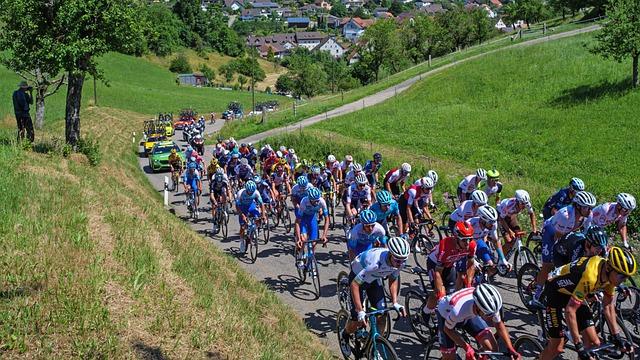
Tadej Pogačar showcased his exceptional racing prowess during Stage 2 of the Tour de Romandie, overcoming a barrage of attacks from his rivals. The stage was characterized by aggressive tactics, with multiple cyclists attempting to break away from the peloton, including notable names like Remco Evenepoel and Geraint Thomas. However, Pogačar’s keen tactical sense and powerful sprinting skills enabled him to hold his ground and ultimately seize victory in the final meters. The crowd erupted as he crossed the finish line, a testament to his resilience and determination amidst the chaos of aggressive racing.
Throughout the stage, Pogačar demonstrated remarkable composure, strategically positioning himself within the pack to fend off surges. He leveraged key moments to capitalize on his opponents’ fatigue, inching forward at just the right time. The winning move, however, came in the final kilometers when Pogačar burst ahead during a critical sprint. His performance not only secured him the stage win but also further solidified his status as a formidable contender in this year’s race. This victory marks another impressive chapter in his career, raising anticipation for the challenges that lie ahead in the remaining stages.
Analyzing the Key Strategies Behind Pogačar’s Resilient Performance
Tadej Pogačar’s victory in the second stage of the Tour de Romandie can be attributed to a combination of tactical foresight and physical resilience. Throughout the stage, Pogačar faced numerous aggressive attacks from competitors eager to challenge his dominance. However, he maintained a calm demeanor, allowing him to strategically pace himself and anticipate his rivals’ moves. This calculated approach not only showcased his understanding of race dynamics but also enabled him to conserve energy for a powerful finish. His ability to read the race and respond to changes rapidly is indicative of a seasoned athlete who thrives under pressure.
Key elements of Pogačar’s strategy included:
- Staying Positioned: By remaining near the front of the pack, he minimized his exposure to risky situations.
- Monitoring Competitors: Pogačar remained vigilant about riders attempting breaks, allowing him to react promptly.
- Leveraging Terrain: Utilizing his strong climbing ability on the more challenging sections of the route played to his advantage in gaining momentum.
- Final Sprint Power: His explosive sprint in the final moments underscored his well-timed energy management throughout the race.
The following table highlights Pogačar’s performance metrics during the stage:
| Metric | Value |
|---|---|
| Total Distance | 165 km |
| Average Speed | 43.8 km/h |
| Altitude Gain | 3,000 m |
| Stage Finish Position | 1st |
Implications for Upcoming Stages: What Competitors Can Learn from Stage 2 Dynamics
Stage 2 of the Tour de Romandie showcased not just the remarkable endurance of Tadej Pogačar, but also highlighted crucial lessons for competitors gearing up for the next stages. Teams should analyze the dynamics of the peloton during Pogačar’s victory, particularly the strategies employed to counter numerous attacks. Key insights include:
- Strategic Positioning: Maintaining a strong position in the peloton is vital, especially when faced with aggressive moves from rivals.
- Team Cohesion: Synchronizing team efforts to protect the leader and launch coordinated attacks can significantly influence outcomes.
- Adaptive Responses: Riders need to adapt quickly to changing race dynamics, embracing flexibility in their strategies.
Furthermore, the ability to consistently respond to attacks while conserving energy is paramount. As competitors face the approaching stages, they can benefit from examining the following data from Stage 2:
| Key Metrics | Pogačar’s Performance |
|---|---|
| Attacks Countered | 5 |
| Distance Covered | 150 km |
| Sprint Finish Position | 1st |
Understanding these metrics will provide teams with a framework for planning their strategies. As they prepare for future stages, they can adopt best practices from Pogačar’s race tactics to enhance their competitive edge and aim for success.
In Conclusion
In a thrilling display of resilience and strategy, Tadej Pogačar has emerged victorious in Stage 2 of the Tour de Romandie, successfully fending off a series of relentless attacks from his competitors. The Slovenian superstar demonstrated his exceptional sprinting prowess, securing his win amidst a highly competitive field that showcased the dynamic nature of this year’s race. As the riders prepare for the challenges that lie ahead in the remaining stages, Pogačar’s triumph reinforces his status as a leading contender in this prestigious event. Fans can expect more exhilarating performances as the race unfolds, with each stage promising further drama and determination on the road to the final victory.