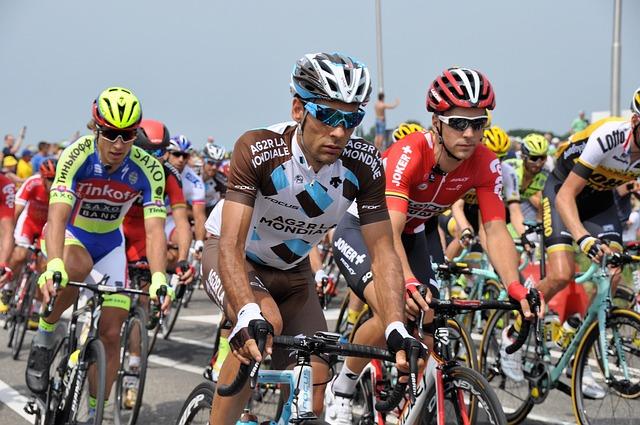
In the annals of cycling history, few events evoke as much awe and respect as the Tour de France. Each summer, the world’s elite cyclists embark on a grueling journey through some of the most challenging terrains imaginable, pushing the limits of human endurance. This year’s iteration promises to be no exception, with steep climbs, punishing descents, and relentless stages that test even the most seasoned riders. However, as modern competitors gear up to conquer the 2023 edition, one must consider the legends of the past-particularly the harrowing Tour of 1926. That grueling race not only pushed cyclists to their physical extremes but also laid bare the harsh realities of a sport where camaraderie and survival oftentimes collided. As today’s peloton navigates the punishing roads of France, they should heed the lessons of their predecessors who faced unimaginable challenges and, perhaps, reserve a moment of reflection for the ghosts of 1926, who surely would shed no tears over the trials of the present.
The Grueling Legacy of the 1926 Tour de France
The 1926 Tour de France is notorious for the extreme challenges that confronted its participants, setting a precedent that has haunted the race ever since. Riders were met with a grueling course that spanned 5,745 kilometers, a distance that would test even the most seasoned athletes. With scarcely a moment to rest, competitors traversed treacherous mountain passes and brutal terrain, facing not just physical exhaustion but also the harsh realities of weather and nutrition. Many competitors endured such severe hardships that only 39 of the 118 starters completed the race, a stark testament to the relentless demands of cycling at the time.
To truly appreciate the magnitude of what the 1926 participants faced, it’s essential to consider some key factors that characterized this legendary edition:
- Altitude Gain: Riders tackled steep climbs that totaled over 90,000 meters in elevation.
- Daily Distances: Stages often stretched between 300 to 400 kilometers, leaving racers with little recovery time.
- Mechanical Failures: Bicycles were far less reliable, and mechanical issues often resulted in time losses or forced withdrawals.
- Physical Toll: Many riders suffered from severe health issues, including dehydration, malnutrition, and even severe injuries.
| Aspect | 1926 Tour |
|---|---|
| Finishers | 39 |
| Total Stages | 17 |
| Mountain Stages | 5 |
| Team Withdrawals | Numerous |
The legacy of this arduous race reverberates through every subsequent Tour de France. As modern cyclists pedal through the sprawling French landscapes, they do so with the invisible weight of history on their shoulders-a reminder that the path that lies before them has been paved by the trials of their predecessors. With each grueling mile, today’s riders may find solace in modern advancements, yet they can hardly ignore the indelible spirit of endurance and tenacity forged in 1926.
Understanding the Endurance Test of Early Cyclists
The endurance test for cyclists during the early days of the Tour de France was nothing short of legendary. In 1926, competitors faced grueling conditions that pushed the limits of physical and mental resilience, a stark contrast to today’s standards. Riders battled through distances that would make modern athletes shudder, often covering upwards of 5,500 kilometers over a mere three weeks. This daunting challenge was exacerbated by the lack of modern equipment, nutrition, and support systems that contemporary cyclists now take for granted. With minimal training regimens and outdated bicycles, racers had to rely on sheer willpower to survive the punishing roads of France.
Critical to understanding this endurance feat is the sheer unpredictability of the race conditions. Cyclists had to contend with factors such as:
- Harsh Weather: Unforgiving sun, rain, and sometimes even snow
- Terrain Variability: From flat stretches to grueling mountain climbs
- Limited Support: Sparse food and water supplies, sometimes relying on locals
This combination of hardship led to an average dropout rate that would make today’s cyclists cringe. In 1926, a staggering 60% of racers failed to finish the tour. The haunting images of riders battling exhaustion remind us that the spirit of endurance is etched deeply in the history of cycling, with every pedal stroke echoing the unwavering determination of our predecessors.
Training for Today’s Challenges: Lessons from the Past
The 1926 Tour de France remains one of the most grueling editions of the race, pushing cyclists to their absolute limits, both physically and mentally. Over the course of 5,745 kilometers, competitors faced not just the arduous climbs and relentless sprints, but brutal weather conditions that included scorching heat and torrential rain. Unlike the conveniences of modern logistics, riders in 1926 were often left to fend for themselves in remote areas, confronting challenges that would make today’s cyclists reconsider their own hardships. Key lessons from that year illustrate the significance of resilience and adaptability, qualities that remain essential in today’s sporting world.
Reflecting on the arduous journey of the 1926 Tour, it becomes clear that the true spirit of endurance lies in the ability to emerge stronger from each hardship. Teams faced mechanical failures without the luxury of comprehensive support systems, highlighting the importance of self-reliance and strategic planning. The physical toll was immense, with riders consuming minimal nourishment while battling fatigue, a stark reminder to today’s athletes about the necessity of optimizing nutrition and recovery. As we analyze the past, consider these pivotal takeaways:
- Resilience: Overcoming physical and mental exhaustion.
- Self-reliance: Managing equipment and personal challenges without assistance.
- Nutrition: Understanding the crucial role of energy intake.
To Wrap It Up
As the 2023 Tour de France unfolds, cyclists face a grueling test of endurance, strategy, and sheer willpower. The challenges may seem unprecedented, yet the ghosts of the past-particularly those of the legendary athletes who battled through the trials of the 1926 edition-serve as a stark reminder that the quest for greatness on the bike has always been fraught with difficulty. With multiple mountain passes, unpredictable weather, and fierce competition, today’s riders may indeed be pushing their limits, but they inherit a legacy steeped in hardship and resilience.
In a sport where every pedal stroke counts and history looms large, the sacrifices made by generations of cyclists echo through time. As we watch this year’s competitors strive for glory, let us honor the spirit of those who rode before them. It is both a tribute and a challenge-the road ahead may be hard, but it is also paved with the resilience of those who dared to dream of victory against all odds. As the Tour continues, one thing remains clear: to seek sympathy from the ghosts of the past is to misunderstand the essence of this grueling race. The fight for the yellow jersey endures, reminding us that in cycling, as in life, overcoming adversity is its own form of victory.