







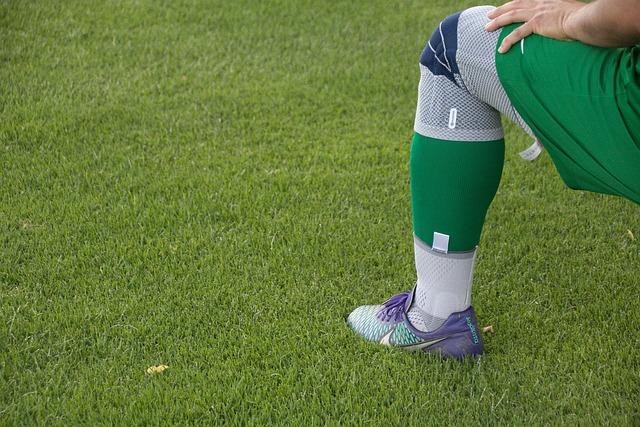
Tim Merlier’s much-anticipated 2026 season debut has been delayed due to a knee injury, leaving fans and team officials alike in a state of concern. The Belgian sprinter, known for his explosive speed and pivotal role in his squad, has expressed frustration over the situation, stating, “I can’t say what exactly the problem was.” As the cycling community braces for the impact of this setback, questions arise regarding the potential implications for both Merlier’s career and his team’s performance in the upcoming racing calendar. This article explores the circumstances surrounding the injury, its effects on Merlier’s readiness for the season, and what it means for professional cycling in 2026.
Knee Injury Leaves Tim Merlier’s Season Debut in Uncertainty
Tim Merlier’s much-anticipated return to competitive cycling has been thrown into disarray following a knee injury sustained during training. The quick and powerful sprinter was expected to make a strong impact in the early races of the season, but uncertainty now clouds his debut. Merlier addressed the media after the incident, stating, “I can’t say what exactly the problem was,” highlighting the unexpected nature of his situation. Team doctors are conducting thorough assessments to determine the extent of the injury and the recommended course of action, which remains unclear at this stage.
As the cycling world watches closely, several possible scenarios are being considered regarding his recovery and readiness for competition. Key factors influencing Merlier’s path forward include:
- Medical Evaluation: Ongoing consultations with specialists and physiotherapists.
- Rehabilitation Program: The intensity and duration of the recovery process.
- Future Competitions: Potential adjustments to his racing calendar based on recovery progress.
Team management remains optimistic but realistic about the situation, aiming to prioritize Merlier’s long-term health over immediate returns. Fans and fellow cyclists will be eagerly awaiting updates as the team navigates this challenging period.
Analyzing the Impacts of Merlier’s Delay on Team Dynamics
Tim Merlier’s knee injury and subsequent delay in his 2026 season debut have significant implications for the team’s overall dynamics. As a key sprinter, his absence raises concerns about the team’s chemistry and performance in early races. The pressure now falls on other riders to fill the void, which can lead to both opportunities and challenges. How the team adapts during Merlier’s recovery period could shape their trajectory for the remainder of the season. Potential impacts include:
- Shift in Leadership: Other cyclists may need to take charge in both strategy and morale.
- Increased Competition: Riders traditionally in support roles might seize the moment to showcase their abilities.
- Impact on Team Strategy: Adjustments will be necessary for race tactics, depending on the strengths and weaknesses of the remaining team members.
The scenario invites scrutiny of how injuries influence not only individual performance but also collective resilience. With Merlier sidelined, the coaching staff has an opportunity to reevaluate training regimens and support systems. Perhaps even more critically, the reaction of the team to these challenges can foster either unity or discord. A quick glance at recent performance metrics highlights how critical each racer’s contributions become during such transitions:
| Rider Name | Previous Year Wins | Projected Impact |
|---|---|---|
| Rider A | 5 | Increased responsibility in sprint finishes |
| Rider B | 3 | Key role in escalated lead-out strategies |
| Rider C | 2 | Potential rise in profile if performing well |
Recovery Strategies for Athletes Facing Extended Injuries
In the face of extended injuries, athletes like Tim Merlier must navigate a complex landscape of recovery that goes beyond mere physical rehabilitation. Developing a strong mental framework is crucial, as prolonged periods away from competition can lead to frustration and anxiety. Engaging in mental conditioning techniques can bolster resilience, ensuring that athletes maintain a positive outlook. Strategies such as visualization and mindfulness can keep athletes focused on their goals, enhancing their psychological readiness to return to sport. Incorporating support from coaches, sports psychologists, and peers can also create a robust support system, which is vital during these challenging times.
Furthermore, a comprehensive recovery plan should encompass not just physical exercises, but also nutrition and lifestyle adjustments tailored to the athlete’s specific needs. Proper nutrition plays a pivotal role in recovery, as it aids in tissue repair and reduces inflammation. Key components of a balanced diet may include:
- Anti-inflammatory foods: such as fatty fish, nuts, and leafy greens.
- Hydration strategies: maintaining optimal fluid intake to support joint health.
- Protein-rich foods: to aid muscle recovery and rebuild strength.
Building a cohesive plan that integrates both physical therapy and lifestyle changes can significantly enhance recovery times. The table below outlines effective strategies across different rehabilitation phases:
| Recovery Phase | Focus Area | Suggested Activities |
|---|---|---|
| Initial Recovery | Rest & Ice | Passive range-of-motion exercises |
| Intermediate | Strength Building | Resistance training, cross-training |
| Advanced | Return to Sport | Sport-specific drills, mental rehearsal |
To Conclude
In conclusion, Tim Merlier’s 2026 season opener remains uncertain as the seasoned cyclist grapples with a knee injury that has yet to be fully diagnosed. While the specifics surrounding the injury are still unclear, the impact on his training and competitive readiness is evident. As fans and analysts alike await further updates, the cycling community remains hopeful for Merlier’s swift recovery and return to form. With the season ahead, all eyes will be on his progress, as the Belgian sprinter aims to overcome this setback and hit the ground running in the months to come.