






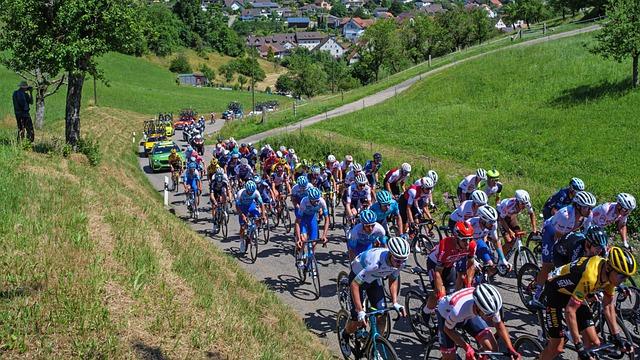
In a crucial move aimed at preserving the future of stage racing in the world of competitive cycling, a comprehensive proposal has been submitted to the Union Cycliste Internationale (UCI), the sport’s governing body. This initiative comes amid growing concerns that lower-level races-the backbone of the cycling community-are at risk of disappearing due to financial constraints and changing market dynamics. Stakeholders from various sectors, including team managers, event organizers, and former riders, have rallied together to advocate for the significance of these races, arguing that they play a vital role in nurturing emerging talent and sustaining local cycling cultures. As the debate intensifies, the proposal aims to establish a framework that not only safeguards lower-level competitions but also reinforces their importance within the broader cycling hierarchy.
Proposal for Stage Races Urges Urgent Action from UCI to Preserve Cycling Heritage
The recent proposal to save stage races, sent directly to the Union Cycliste Internationale (UCI), underscores the growing concern for the future of cycling’s rich tradition. Advocates argue that stage races form the backbone of the sport, providing a vital platform for both emerging talents and seasoned professionals. The potential consequences of reducing these races are significant, threatening not just the competitive landscape but also the cultural heritage that defines cycling. Key issues highlighted in the proposal include:
- Financial Viability: Emphasizing support for lower-tier races that can foster the next generation of cyclists.
- Global Participation: Ensuring that stage races remain accessible across various regions, promoting inclusivity.
- Preservation of Traditions: Maintaining iconic races that contribute to the sport’s history and identity.
As the UCI faces pressure from various factions within the cycling community, stakeholders are calling for urgent action to safeguard the future of these events. The growing uncertainty surrounding lower-level races has the potential to create a ripple effect, diminishing athlete development pathways and reducing the excitement that stage races bring to cycling fans worldwide. A recent survey indicated that over 70% of cycling enthusiasts believe that preserving these events is crucial for the sport’s vitality, suggesting widespread support for initiatives aiming to revitalize and reinforce the prominence of stage racing.
| Stage Race | Founded | Heritage Significance |
|---|---|---|
| Tour de France | 1903 | Symbol of endurance and prestige |
| Giro d’Italia | 1909 | Celebration of Italian cycling culture |
| Vuelta a España | 1935 | Showcase of Spanish cycling heritage |
Concerns Mount Over Future of Lower Level Races as Stakeholders Stress Importance of Development
As the pressure mounts on the cycling community regarding the sustainability of lower-level races, stakeholders are voicing their concerns about the detrimental effects on grassroots development. A proposal aimed at preserving stage races has been presented to the Union Cycliste Internationale (UCI), highlighting the role these events play in nurturing emerging talent and fostering local enthusiasm for the sport. Key stakeholders, including event organizers, amateur athletes, and cycling federations, are advocating for measures that ensure the viability of lower-tier competitions, which are viewed as crucial stepping stones for riders pursuing higher levels of success.
Amidst ongoing discussions, stakeholders have outlined several potential strategies to safeguard these events:
- Increased Funding: Advocating for more financial support from sponsors and governing bodies.
- Enhanced Visibility: Proposals for better marketing and media coverage to attract larger audiences.
- Development Programs: Initiatives to create training and development programs tailored for younger athletes.
While the UCI is considering the proposal, the future of lower-level races remains uncertain. Discussions at recent forums have underscored the sentiment that without actionable steps, the landscape of amateur cycling may suffer irreparable harm, affecting not only individual athletes but also the broader cycling ecosystem that relies on a robust pipeline of upcoming talent.
Recommendations for UCI Include Enhanced Support and Strategic Partnerships to Sustain the Racing Ecosystem
The future of lower-level stage races hangs in the balance, necessitating a comprehensive strategy from the UCI to fortify the racing ecosystem. To mitigate the challenges facing these grassroots events, an enhanced support system is imperative. This could include financial grants for race organizers to offset operational costs, training programs for race officials, and promotion initiatives to increase local engagement. Such investments not only sustain existing races but can also catalyze the emergence of new events, enriching the cycling landscape at all levels.
Moreover, fostering strategic partnerships between the UCI, local cycling federations, and commercial stakeholders can create a more resilient framework for racing. Collaborations with sponsors and media outlets can elevate visibility and showcase the unique value of stage races. Potential partners could encompass local businesses, technology firms focused on race logistics, and even tourism boards eager to promote the regions around race venues. By aligning interests, these partnerships can help establish a sustainable model that ensures the longevity of lower-level races, facilitating a thriving environment for both amateur and emerging professional cyclists.
In Conclusion
In conclusion, the proposal to save stage races submitted to the UCI underscores a growing concern within the cycling community regarding the future of lower-level competitions. With the fate of these races hanging in the balance, many hope that this initiative will prompt crucial dialogues about preserving a vital segment of the sport. As stakeholders await a formal response from the UCI, the cycling world watches closely, recognizing that the preservation of these events is essential not only for the athletes and teams but for the rich tradition of cycling itself. The outcome will be pivotal in determining the landscape of competitive cycling in the years to come.