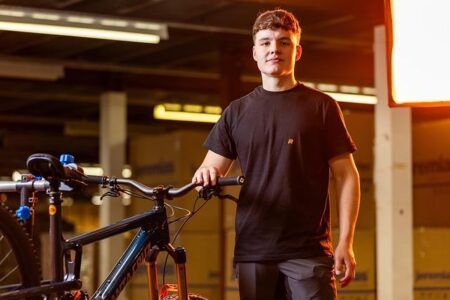
In a significant development in the world of professional cycling, Veronica Ewers has announced her decision to step away from elite competition as she prioritizes her recovery from Relative Energy Deficiency in Sport (RED-S). The 25-year-old athlete, known for her resilience and competitive spirit, made the announcement earlier this week, emphasizing the importance of health and well-being over performance metrics. Ewers’ candid disclosure sheds light on the often-overlooked issue of energy deficiency in sports, a condition that affects not only physical performance but overall mental and emotional health. As she embarks on this crucial journey toward recovery, the cycling community is rallying around her, highlighting the vital message that taking time for self-care is imperative in the highly demanding arena of elite athletics.
Veronica Ewers Prioritizes Health in Decision to Step Away from Elite Cycling
Veronica Ewers has made the difficult decision to step away from elite cycling, focusing on her health and recovery from Relative Energy Deficiency in Sport (RED-S). In a heartfelt statement, she emphasized the importance of taking time to heal fully, acknowledging the toll that high-level competition can take on an athlete’s well-being. Ewers stated, “I need to take the time to fully recover,” signaling her commitment to prioritizing her physical and mental health over competitive ambitions. This choice resonates with many athletes who face similar challenges, highlighting a growing awareness in the sports community about the need for personal health over performance.
As she embarks on this recovery journey, Ewers hopes to inspire others to consider their health first. Her decision has garnered support from the cycling community, who recognize the importance of sustainability in athletic careers. Key reasons behind her choice include:
- Physical health: Ensuring her body has adequate time to recover and regain strength.
- Mental clarity: Allowing herself the space to focus on mental well-being.
- Long-term career: Considering the sustainable approach to her cycling career.
Professionals within the sport advocate for increased discussions on athletes’ health, pushing for systemic changes that prioritize long-term well-being over short-term achievements. Ewers’ departure from competitive cycling could serve as a pivotal moment in promoting a healthier mindset within the sport.
Understanding RED-S Recovery: The Importance of Adequate Rest and Nutrition
Veronica Ewers’ decision to step away from elite cycling is a pivotal moment not only for her career but also for the broader conversation regarding Relative Energy Deficiency in Sport (RED-S). This condition, which arises from an imbalance between energy intake and energy expenditure, can lead to serious health consequences for athletes. Ewers is prioritizing her well-being by recognizing the critical need for adequate rest and nutrition during her recovery process. Acknowledging these facets can help mitigate the long-term effects of RED-S, enabling athletes to return to peak performance while safeguarding their health.
Nutrition plays a vital role in Ewers’ recovery strategy. A well-rounded diet that emphasizes the following is essential:
- Macronutrients: A balanced intake of carbohydrates, proteins, and fats to fuel recovery.
- Micronutrients: Vitamins and minerals that support metabolic functions and overall health.
- Hydration: Maintaining adequate fluid levels to optimize physical and mental performance.
Combining this nutritional approach with sufficient rest can lead to a comprehensive recovery framework. Regular sleep patterns, stress management techniques, and gentle reintroduction to training can help athletes like Ewers not only heal but also thrive in their sport after overcoming the challenges posed by RED-S.
The Long-Term Impact of Taking a Break: Lessons from Professional Athletes
The decision by elite athletes like Veronica Ewers to take a step back from competition can often reflect a deeper understanding of their physical and mental health. As Ewers emphasizes the importance of recovery from Relative Energy Deficiency in Sport (RED-S), she joins a growing number of athletes who recognize that short-term sacrifices can lead to long-term benefits. By prioritizing recovery, they not only enhance their performance but also establish a sustainable approach to their careers. The insights gained from these breaks often become pivotal in shaping an athlete’s trajectory, helping them to return stronger, both physically and psychologically.
Lessons learned from professional athletes highlight several key reasons why taking a break can be advantageous:
- Physical Recovery: Allowing time for the body to heal from injuries prevents long-term damage and promotes overall well-being.
- Mental Health: Stepping away provides a necessary mental reset, fostering renewed passion and reducing the risk of burnout.
- Skill Development: Athletes have the opportunity to refine their techniques and fitness strategies during this downtime.
- Life Balance: A break can enable athletes to reconnect with family and personal interests, leading to a more rounded life.
To illustrate the benefits of taking breaks, here’s a brief comparison of athletes who have successfully navigated their recovery journeys:
| Athlete | Reason for Break | Outcome |
|---|---|---|
| Veronica Ewers | RED-S Recovery | Enhanced performance and well-being |
| Florence Griffith-Joyner | Post-Olympic Burnout | Historic comeback and world records |
| Michael Phelps | Mental Health Break | Increased awareness and advocacy |
Concluding Remarks
In conclusion, Veronica Ewers’ decision to step away from elite cycling underscores the crucial importance of prioritizing health and well-being over competitive pressures. Her candid admission about battling Relative Energy Deficiency in Sport (RED-S) serves as a reminder that even the most dedicated athletes must sometimes pause to address their physical and mental health needs. As Ewers embarks on her recovery journey, her choice may inspire others in the sports community to reevaluate their own approaches to training and wellness. The cycling world will undoubtedly support her as she focuses on a holistic recovery and, hopefully, returns to the sport stronger in the future.