Title: Uneven Terrain: The Distinct Dynamics of Paris-Roubaix Femmes compared to the Men’s Race
As the iconic cobblestones of Paris-Roubaix beckon cyclists from around the world, one of the sport’s most celebrated events welcomes a growing female contingent: the Paris-Roubaix Femmes. In recent years, the women’s race has garnered increased attention, yet its dynamics differ significantly from those of its male counterpart. From race strategies and pacing to the terrain tackled and the experience shared, the two races unfold with unique narratives that reflect broader trends in women’s cycling. In this article, we delve into the reasons behind these differences, exploring how historical context, societal norms, and the evolution of competitive cycling are shaping not just the races, but the future of women’s professional cycling as a whole. Join us as we examine the factors that influence how Paris-Roubaix Femmes is raced, illuminating the distinct paths forged by female cyclists in a sport long dominated by their male peers.
Understanding Race Dynamics in Paris-Roubaix Femmes Compared to the Men’s Event
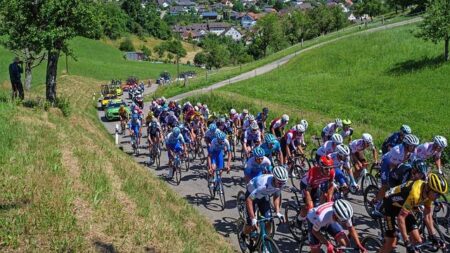
The race dynamics of Paris-Roubaix Femmes reflect a distinct approach compared to the men’s event, shaped by both historical precedence and evolving strategies. Female cyclists often face a unique set of challenges during the race, from the technicality of the cobbled sections to the strategic interplay of teamwork and individual prowess. In recent years, the women’s race has adopted a more aggressive style, with riders pushing the pace early on and utilizing attacks in strategic sections. This contrasts with the men’s race, where team tactics often dominate much longer into the event, allowing for more calculated moves rather than spontaneous bursts of speed.
Moreover, the profile of the peloton in Paris-Roubaix Femmes continues to evolve, leading to a shift in how teams manage their resources and respond to the terrain. Notably, various factors impact the race dynamics, including:
- Course familiarity: Women’s teams are relatively newer to the iconic routes and often navigate them with a sense of urgency.
- Pacing strategies: Given the shorter distance, female cyclists often maintain a higher average speed, resulting in a different race atmosphere.
- Team dynamics: The collaboration between team members can vary significantly, influencing how breaks are formed and sustained.
To illustrate this point further, here’s a comparison of key attributes between the women’s and men’s events:
| Attribute | Men’s Event | Women’s Event |
|---|---|---|
| Distance | 257 km | 145 km |
| Averaged Speed | 40 km/h | 42 km/h |
| Number of Riders | Over 175 | About 120 |
| Race Strategy | Team-oriented and calculated | Aggressive and opportunistic |
Understanding these dynamics helps illuminate the narrative of the Paris-Roubaix Femmes, showcasing not just the athleticism on display, but also the unique strategies that define this historic event in women’s cycling.
Examining Course Design and Conditions: The Unique Challenges for Female Cyclists
The design and conditions for the Paris-Roubaix Femmes present a unique set of challenges that diverge significantly from those faced by their male counterparts. The race’s course, characterized by its *punishing cobblestones* and *rugged terrain*, emphasizes not only the physical prowess required but also the psychological resilience of female cyclists. Critical factors include:
- Course Variation: The women’s route is a condensed version of the men’s race, which introduces distinct tactical considerations for teams and riders alike.
- Weather Conditions: Women often compete under different weather scenarios, influencing race strategy and bike mechanics.
- Support Infrastructure: The differences in team support, including fewer resources and logistical challenges, can impact performance greatly.
- Media Attention: Varying levels of coverage can affect rider morale and recognition, impacting their motivation throughout the race.
Moreover, as female cycling continues to gain visibility and support, the ongoing disparity in race structures warrants careful examination. Historically marginalized within the sport, women cyclists navigate not only the physical challenges posed by the race itself but also the broader cultural and systemic barriers that persist in professional cycling. To highlight these differences, a comparative analysis of race conditions between genders reveals essential insights:
| Aspect | Men’s Race | Women’s Race |
|---|---|---|
| Distance | 256 km | 145 km |
| Cobbled Sections | 29 sections | 17 sections |
| Prize Money | €1 million | €250,000 |
This comparison emphasizes the need for enhanced support systems and equitable race conditions for female cyclists, ultimately fostering a more inclusive sporting environment and paving the way for future growth in women’s cycling.
Promoting Equality in Competitive Cycling: Recommendations for Future Races
Promoting equality in competitive cycling requires a comprehensive approach that addresses various aspects of race organization and media representation. First and foremost, race organizers should consider aligning the prize money for women’s events with that of men’s races. This parity not only reflects the athletes’ efforts but also encourages greater participation and investment in women’s cycling. Additionally, broadcast coverage must be enhanced to provide equal visibility for both men’s and women’s races. By ensuring that major women’s races are aired live or in prime time, sponsors and fans can engage more deeply with female cyclists, promoting a healthier sporting environment that values both genders equally.
Infrastructure plays a pivotal role in supporting gender equality in competitive cycling. It is crucial to provide equal access to training facilities and support staff for female athletes, alongside implementing mentorship programs that pair novice riders with seasoned professionals. Furthermore, creating a structured pathway for girls to transition into elite competition can help build a sustainable future. A focus on grassroots initiatives, such as offering more scholarships and support for women’s teams, can empower the next generation of cyclists and cultivate talent at all levels. Here are some additional recommendations:
- Ensure equal media coverage for both men’s and women’s events.
- Standardize race lengths and conditions to create equitable conditions.
- Expand promotional efforts to attract sponsors willing to support women’s cycling.
- Develop comprehensive training programs that include fitness, nutrition, and mental coaching.
Wrapping Up
As the dust settles on another edition of Paris-Roubaix Femmes, it becomes increasingly clear that the race signifies more than just a competition; it highlights the evolving landscape of women’s cycling. While both the men’s and women’s races tackle the same challenging cobbled sectors, the distinct strategic nuances foster a unique narrative for each. The different racing styles, pacing, and team dynamics in the Femmes event not only reflect the athletes’ adaptations to their specific context but also underscore the wider societal shifts in how women’s sports are perceived and valued.
As the world continues to witness the growth of women’s cycling, races like Paris-Roubaix Femmes serve as critical benchmarks for progress and inspiration. With a spotlight now shining brightly on female athletes, the future promises even more thrilling displays of strength and skill. The differences in their race strategies tell an important story-one where the women are not just emulating but redefining the rules of the game. As we look forward to the next edition, the anticipation builds; both for the racing ahead and the continuous evolution of women’s role in the world of professional cycling. Stay tuned to ProCyclingUK.com for continued coverage and insights into this exciting sport.