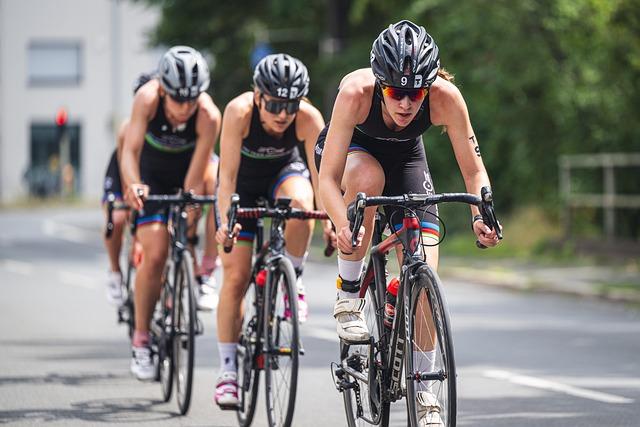
In a move that has ignited a significant debate within the world of sports, a women’s cycling team manager has publicly addressed her concerns regarding the inclusion of a transgender athlete competing against female cyclists in a major competition. This statement comes as conversations surrounding gender inclusivity and fairness in competitive sports continue to grow, raising critical questions about the impact of such policies on female athletes. The manager’s comments highlight the complexities of navigating both inclusivity and equity in sports, making it a pivotal moment for stakeholders across the cycling community and beyond. As opinions clash and support for varying perspectives strengthens, this issue is poised to shape the future landscape of women’s competitive cycling.
Women’s Cycling Team Manager Addresses Inclusion and Fairness in Competitive Sports
The contentious issue of inclusion in sports has reached a new pinnacle as the manager of a prominent women’s cycling team voiced her concerns regarding the participation of a trans athlete in a major competition. She emphasized that while inclusivity is a key value in sports, it must not come at the cost of fairness. “We need to ensure that all athletes have a level playing field,” she stated, pointing to scientific data suggesting physiological differences that can arise from male biological advantages. The team manager underscored the importance of creating rules that protect the integrity of female categories in competitive cycling.
In light of this ongoing debate, many stakeholders are reconsidering existing policies. The manager urged governing bodies to advocate for a balanced approach that considers the experiences of all athletes. Key points for consideration include:
- Scientific Research: Analyzing the impact of hormone therapy and biological factors.
- Regulatory Adjustments: Revisiting eligibility criteria to maintain fair competition.
- Open Dialogue: Encouraging discussions between athletes, advocates, and governing officials.
Through these actions, she believes that a framework can be established that respects both inclusion and fairness, fostering an environment where all competitors can thrive.
Navigating the Impact of Trans Participation on Female Athletes
As the debate surrounding the participation of trans athletes in women’s sports continues, the cycling community has found itself at a pivotal juncture. A recent competition saw a trans athlete competing against female cyclists, prompting reactions from team managers, athletes, and advocates alike. Many female competitors expressed concerns over fairness and the integrity of women’s sports, leading to calls for clearer guidelines on participation. Quotes from various cycling professionals highlighted a growing sentiment among female athletes that inclusivity must still consider the biological differences that can influence performance.
The implications of trans participation extend beyond the competition itself, impacting team dynamics, sponsorship opportunities, and the perceptions of female athletes within the broader sporting community. Key points arising from discussions include:
- Equity in Competition: Ensuring all athletes can compete fairly underlines the need for balanced regulations.
- Support for All Athletes: The importance of fostering a supportive environment for all individuals in sports.
- Future Guidelines: The necessity for ironclad policies that address these emerging challenges without alienating any group.
As cycling organizations assess their stances and protocols, they must weigh the rights of all athletes while considering the potential ripple effects on the sports landscape. In light of this, stakeholders could benefit from collaborative dialogues that prioritize inclusivity without compromising competition integrity.
Recommendations for Policy Changes in Cycling to Foster Equity and Inclusivity
To cultivate a more equitable and inclusive cycling landscape, policy reform must focus on several key areas. First, governing bodies should implement clear guidelines that address the participation of transgender athletes, balancing inclusivity with fairness. This includes establishing policies that clearly define eligibility criteria based on hormone levels, competition history, and other relevant factors to ensure a level playing field. By fostering open discussions on gender identity within the sport, stakeholders can work collaboratively to create structures that support both competitive integrity and diversity.
Moreover, investment must be directed toward grassroots initiatives that empower underrepresented groups in cycling. These initiatives can include:
- Establishing community programs aimed at encouraging female and non-binary participation.
- Providing financial support for women’s and minority-led cycling teams.
- Creating mentorship schemes linking young athletes with experienced professionals in the sport.
Additionally, promoting safe and accessible cycling environments through infrastructure improvements-such as dedicated bike lanes and secure parking-will increase participation rates among diverse demographics. By prioritizing these elements, the cycling community can effectively enhance equity and inclusivity, creating a sport that is representative of all its participants.
The Way Forward
In the wake of growing discussions about inclusivity and fairness in women’s sports, the comments from the women’s cycling team manager serve as a critical reflection on the current landscape of competitive athletics. The presence of a trans athlete in major competitions has ignited passionate debates among athletes, coaches, and fans alike, highlighting the complexities surrounding gender identity and the integrity of women’s categories. As governing bodies continue to grapple with evolving policies, this ongoing conversation will undoubtedly shape the future of the sport. The manager’s insights not only illuminate the challenges faced by female athletes but also underscore the need for open dialogue and thoughtful consideration as we strive for a more equitable playing field. As this issue unfolds, it remains essential to balance the values of inclusivity and fairness, ensuring that all athletes can compete in environments that respect their identities while maintaining the spirit of competition.