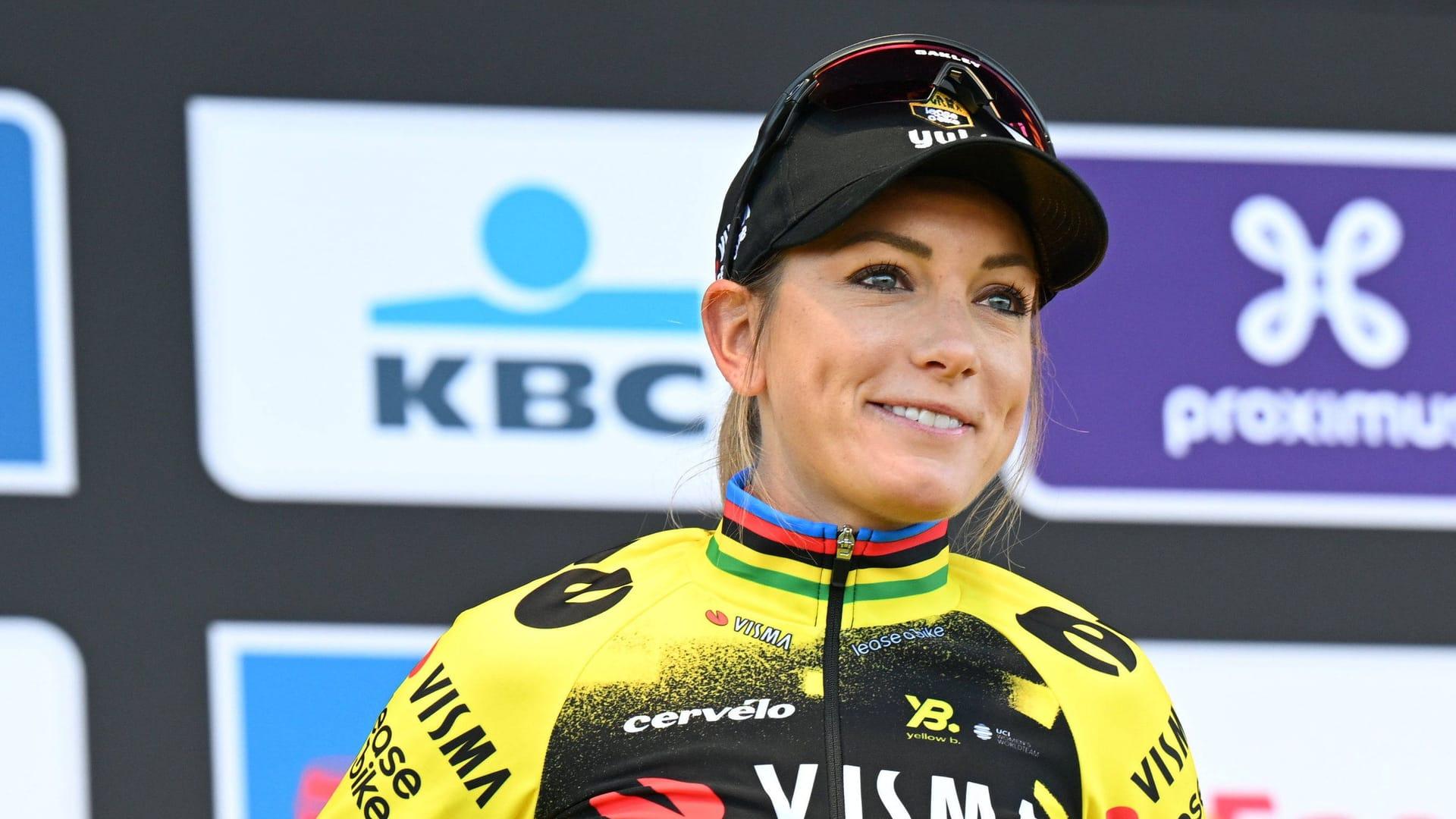
4kg: The Weight of a Double Standard. Pauline Ferrand-Prévot Climbed into History, Yet All We Talked About Was Her Weight
In the realm of competitive sports, achievements are often measured in triumphs and medals. However, for French cyclist Pauline Ferrand-Prévot, who recently made headlines by capturing her third world championship title, a remarkable journey of athleticism became overshadowed by a controversial narrative surrounding her weight. At just 4 kilograms over what some deemed her ideal racing weight, Ferrand-Prévot found herself at the center of a debate that belies the spirit of sportsmanship. As she pedaled her way into history, critics and commentators alike pivoted their focus to this singular figure on the scale, exposing a troubling double standard in the world of athletics. In an age where the push for body positivity and respect for athletes’ diverse physiques has gained momentum, Ferrand-Prévot’s experience raises crucial questions about how society values and discusses female athletes’ bodies.
The Unraveling Impact of Weight Discourse in Women’s Sports
The recent historic achievement of Pauline Ferrand-Prévot, who notably became the first woman to win world titles in three different cycling disciplines, has unfortunately been overshadowed by critiques of her weight. The discourse surrounding her 4kg weight fluctuation raises significant questions about the inherent double standard that exists in sports, particularly women’s sports, where athletes’ bodies are often scrutinized more harshly than their male counterparts. While Ferrand-Prévot should be celebrated for her unprecedented success and athletic prowess, the media’s focus on her appearance rather than her athletic achievements perpetuates a damaging narrative that diverts attention from the true merits of the sport.
This issue is not isolated; many female athletes face similar pressures and are often subjected to unsolicited opinions regarding their bodies. The implications of such discourse are far-reaching, impacting not just individual athletes but also shaping the cultural landscape of women’s sports. Consider the following points:
- Performance versus appearance: The focus on weight detracts from athletes’ skills and performances.
- Media representations: Coverage should prioritize achievements, not body image.
- Health implications: Constant scrutiny can lead to harmful behaviors and mental health issues.
Challenging Gender Norms: The Double Standard in Athletic Achievement
Pauline Ferrand-Prévot’s recent historic achievement in the world of cycling has been met with a slew of reactions, yet a predominant theme emerged that highlighted a stark disparity in how female athletes are perceived compared to their male counterparts. As she celebrated her remarkable climb to victory, media discussions shifted unnervingly to her body weight, focusing on an irrelevant detail that overshadowed her athletic prowess. This fixation exemplifies a troubling tendency where women’s achievements are subjected to a different standard of scrutiny, revealing ingrained biases that persist in the sporting world.
The inconsistency in the coverage of male and female athletes prompts a closer examination of society’s expectations. Consider the following factors that contribute to this double standard:
- Physical Appearance: Female athletes are often reducing their success to how they look, while their male counterparts’ achievements dominate discussions without such superficial critiques.
- Media Narratives: Coverage frequently emphasizes weight and appearance for women, whereas men are lauded for skill, strategy, and strength.
- Value of Achievements: The worth of female success in sports is questioned or diminished based on physical attributes rather than celebrated for competitive merit.
The table below illustrates a comparative analysis of the media portrayal of male versus female athletes:
| Aspect | Female Athletes | Male Athletes |
|---|---|---|
| Media Focus | Body image and weight | Performance and statistics |
| Athletic Narrative | Personal struggles | Striking victories |
| Coverage Tone | Condescending | Respectful |
This pattern not only undermines the achievements of stellar athletes like Ferrand-Prévot but also reflects a broader cultural issue that needs to be addressed. Until a more equitable standard is applied across the board, the conversation around women’s sports will remain trapped in cycles of judgment, rather than progress.
Prioritizing Performance Over Appearance: A Call for Change in Media Narratives
The recent historic ascent of Pauline Ferrand-Prévot to the top of her sport serves as a reminder of the relentless double standards athletes face, particularly women. Rather than celebrating her impressive achievement-a monumental win at the World Championships-the media has disproportionately honed in on her weight. Conversations about her performance have been overshadowed by speculation about the scales, glossing over the years of training, perseverance, and skill that led her to such heights. This fixation not only undermines the value of athletic prowess but also perpetuates outdated narratives that suggest a woman’s worth is tied to her appearance rather than her accomplishments.
It’s time for a pivotal shift in how we cover female athletes. By prioritizing performance over appearance, we challenge the status quo and pave the way for a more equitable narrative within sports. Emphasizing the following points can transform the discourse:
- Athletic Achievements: Highlighting records, victories, and personal milestones.
- Skill Development: Focusing on the rigorous training and dedication behind every performance.
- Positive Role Models: Creating an environment where young athletes feel valued for their abilities and not their body image.
With the right approach, media narratives can evolve to foster a deeper appreciation for the athletes themselves rather than the arbitrary standards imposed by society. As we strive towards a culture that celebrates the triumphs of athletes like Ferrand-Prévot, it becomes paramount to advocate for a narrative that upholds their integrity, skills, and contributions to their sport without the burden of superficial critiques.
Insights and Conclusions
In summary, the recent achievements of Pauline Ferrand-Prévot have illuminated a pressing issue within the realm of sports: the pervasive double standard that continues to overshadow female athletes. Her remarkable victory, while a testament to her skill and dedication, has been marred by discussions disproportionately fixated on her weight. As society grapples with these lingering biases, it is essential to recognize that an athlete’s worth is measured not by their physical attributes but by their accomplishments and perseverance. Ferrand-Prévot’s climb to history serves as a poignant reminder that we must shift the narrative from superficial judgments to celebrating the exceptional talent and hard work of women in sports. It is time to foster an environment where achievements take precedence, and we can collectively rise above outdated standards that no longer have a place in today’s world.