

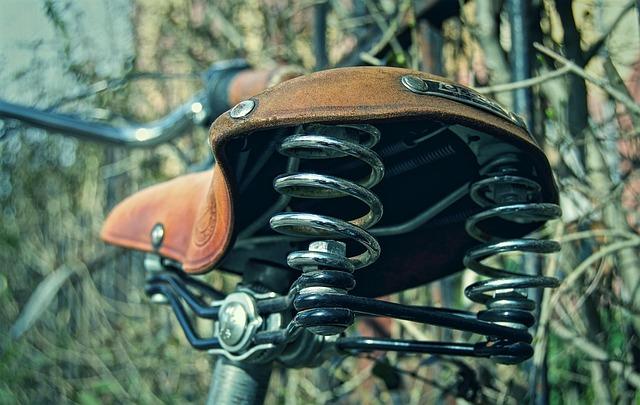
In the world of cycling, proper saddle positioning is crucial for both comfort and performance. For most riders, the conventional wisdom dictates that a level saddle enhances efficiency and reduces the risk of injury. However, this guideline raises an eyebrow within certain elite circles, where athletes such as triathletes and time trialists challenge the norm with unconventional techniques. In an exploration of the science, the sport, and the distinct philosophies that inform these practices, we delve into why your saddle should generally be level-unless, of course, you find yourself on the cutting edge of competitive cycling, eschewing tradition for the sake of speed. Join us as we navigate the varying landscape of saddle positioning, examining both the mainstream approach and the unconventional strategies of those who dare to be different.
The Importance of a Level Saddle for Comfort and Performance
Maintaining a level saddle is essential for maximizing both comfort and performance during rides. A level saddle helps distribute your weight evenly, reducing the chances of discomfort and increasing long-distance riding capabilities. Without a properly aligned saddle, riders may experience numbness or pain in sensitive areas, which can detract from performance and enjoyment on the bike. Moreover, a misaligned saddle can lead to poor posture and inefficient pedaling, which can ultimately affect speed and endurance.
While the inclination of your saddle may vary based on personal preferences, road conditions, and specific riding styles, here are a few key aspects to consider:
- Optimal Frame Alignment: A level saddle aligns with your body’s natural frame, promoting better biomechanics.
- Weight Distribution: An even saddle allows for effective weight transfer between the front and rear, enhancing control.
- Reduced Fatigue: Comfort leads to fewer distractions, allowing riders to focus more on their performance rather than discomfort.
When considering your saddle setup, refer to the following table for quick guidance on saddle angle recommendations:
| Rider Type | Saddle Angle | Notes |
|---|---|---|
| General Cyclist | 0° | Level for optimal comfort. |
| Triathlete | -2° to -5° | Forward tilt for aerodynamic position. |
| Time Trialist | -2° to -5° | Prioritizes speed over long-term comfort. |
| Mountain Biker | 0° | Level for stability on uneven terrain. |
Understanding the Exceptions for Specialized Riders
In the world of cycling, the traditional rule of maintaining a level saddle may not apply to everyone, particularly for those who push the boundaries of performance, like triathletes and time trialists. These specialized riders often adopt unique positions on their bikes that significantly differ from the standard riding posture. The goal is simple but demanding: maximizing aerodynamics while minimizing resistance during their quests for speed. This can involve not just saddle height but also saddle tilt adjustments that can create a more aggressive riding position to shave off precious seconds during events.
For these athletes, several factors come into play that could justify deviations from conventional saddle alignment:
- Aerodynamics: A forward-tilted saddle may open up the hip angle, allowing for a more streamlined position.
- Power Output: Minor adjustments can enhance pedaling efficiency and optimize power transfer.
- Comfort: Personal preference and prolonged exposure can necessitate customizations for endurance events.
Understanding these nuances in the saddle positioning of specialized riders highlights the importance of customization in cycling. It’s not about adhering to strict norms but rather about what it takes to perform at the peak of one’s abilities. While level may be the gold standard for most, the exceptions are where the true innovations and competitive edges lie.
Expert Recommendations for Saddle Adjustments Based on Riding Style
When it comes to saddle adjustments, understanding your riding style can make a significant difference in comfort and performance. For most recreational riders, a level saddle is recommended to maintain an optimal riding posture. This position helps distribute weight evenly across the sit bones, minimizing fatigue during longer rides. Choosing a saddle height that allows for a slight bend in the knees at the lowest pedal position can also contribute to an efficient pedaling technique. Here are some adjustments to consider based on common riding styles:
- Road Cyclists: Level saddle for a balanced riding position.
- Mountain Bikers: Slightly tilted back saddle to enhance control on downhill rides.
- Commuters: Level saddle for comfort and ease during stop-and-go traffic.
However, there are exceptions to this rule. Triathletes and time trialists often benefit from a more aggressive forward saddle tilt. This position helps reduce wind resistance and promotes a more aerodynamic posture. A study from the International Journal of Sports Medicine suggests that a three to five-degree downward tilt may enhance performance without sacrificing comfort during intense races. Here’s a quick look at the specific saddle positions for these unique riding styles:
| Riding Style | Saddle Adjustment |
|---|---|
| Triathletes | 3-5° downward tilt |
| Time Trialists | 5-10° downward tilt |
| General Cyclists | Level saddle |
In Summary
In conclusion, while the debate over saddle positioning continues to generate discussion among cyclists, the prevailing wisdom remains that a level saddle is essential for most riders seeking optimal comfort and efficiency. For the majority, maintaining a neutral angle allows for balanced weight distribution and reduced strain during rides. However, as we’ve explored, exceptions exist for specific disciplines such as triathlons and time trials, where aerodynamics often take precedence over traditional comfort considerations. Ultimately, whether you adhere to these guidelines or choose to stray from the norm in pursuit of personal performance goals, understanding the implications of saddle positioning is crucial for any cyclist aiming to enhance their riding experience. As always, prioritizing individual comfort and safety should remain at the forefront of every cyclist’s journey on two wheels.