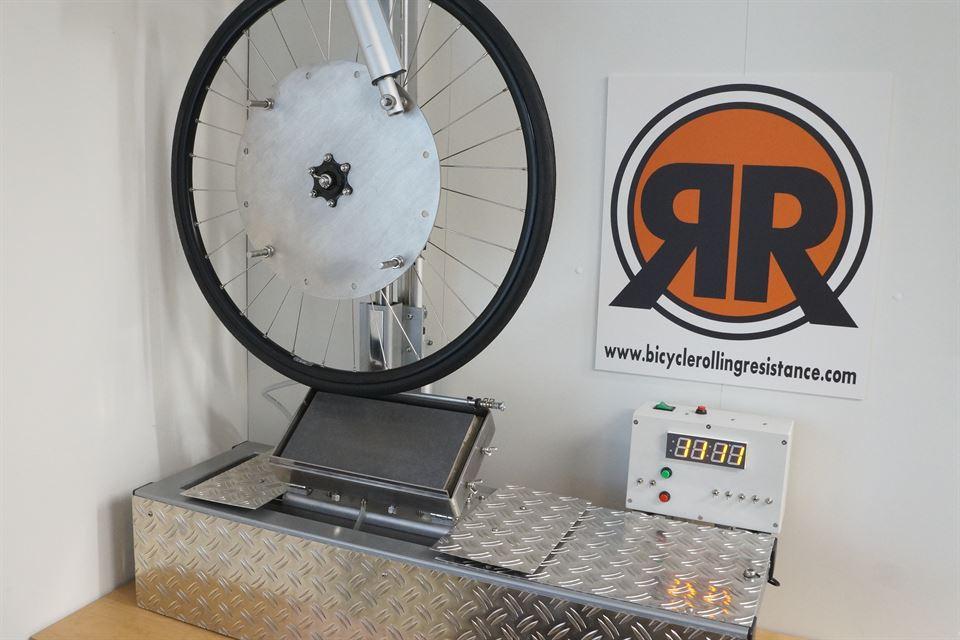
Are Bicycle Tyre Tests Lying to You? Rethinking Rolling Resistance and Drum Resting
In the world of cycling, performance often hinges on the smallest details, and few factors are as crucial as rolling resistance. For decades, manufacturers and testers have relied on standardized tests to determine how tires perform under various conditions, with drum testing methods becoming the industry norm. However, a growing chorus of experts and enthusiasts is challenging the validity of these tests, raising questions about their accuracy and relevance. Are we being misled by seemingly definitive rolling resistance figures, or is the cycling community overlooking essential variables that affect tire performance? As we delve into the intricacies of rolling resistance and the potential flaws of drum resting tests, we invite you to reconsider what you think you know about tire performance and its impact on your ride.
Understanding the Myths Behind Bicycle Tyre Testing Standards
The world of bicycle tyre testing is shrouded in a haze of misconceptions that can mislead even the most informed cyclist. Many riders assume that rolling resistance is solely dictated by the tyre’s material or tread pattern, failing to grasp the complexity of testing methods. One prevalent myth is that results from laboratory tests can be directly translated to real-world performance. In reality, the controlled conditions of testing-like drum rolling or smooth surfaces-often fail to replicate the varied demands of actual terrain. Factors such as ambient temperature, surface texture, and tire pressure significantly influence how tyres perform out on the road.
Moreover, the way in which tyre tests are conducted can also lead to misleading interpretations. For example, drum testing is a common method used to evaluate rolling resistance; however, its parameters can skew results. While drums provide consistent speed and environment, they do not account for critical variables such as rider weight, bike geometry, and even humidity. Cyclists should also be wary of brands promoting inflated claims about their tyres’ performance without substantiated evidence. A proper understanding of these various contexts is crucial for making informed decisions. Here’s a simple comparison of testing methods:
| Testing Method | Key Features | Potential Limitations |
|---|---|---|
| Drum Testing | Consistent speed, controlled environment | Ignores real-world variables |
| Field Testing | Real-world conditions, rider feedback | Difficulties in standardization |
| Computer Simulations | Theoretical modeling, data-driven | May lack practical applicability |
The Impact of Rolling Resistance on Performance and Safety
Rolling resistance, often overlooked in the realm of cycling performance, plays a pivotal role in both efficiency and safety. It refers to the energy lost as a bicycle tyre rolls over a surface, dictated by factors such as tyre pressure, material composition, and tread design. When tyres exhibit high rolling resistance, cyclists might experience diminished speed and increased effort, leading to fatigue during longer rides. Furthermore, tyres that are designed to minimize rolling resistance often sacrifice grip and durability, raising serious safety concerns, particularly on uneven or wet surfaces. Thus, the quest for optimal performance must balance these competing priorities: speed versus stability.
Research indicates that small adjustments in tyre pressure can have profound effects on rolling resistance metrics, impacting overall performance significantly. The table below illustrates how variations in tyre pressure influence resistance and safety metrics:
| Tyre Pressure (psi) | Rolling Resistance (kgf) | Grip (scale 1-10) |
|---|---|---|
| 50 | 5.2 | 8 |
| 60 | 4.7 | 7 |
| 70 | 4.2 | 6 |
As seen in the data, while increased pressure may reduce rolling resistance, it also corresponds with a decrease in grip, potentially jeopardizing braking performance and cornering stability. Consequently, cyclists must critically evaluate the claims of tyre manufacturers and the results from rolling resistance tests. Are these tests accounting for real-world conditions, or do they present an idealized scenario that may mislead consumers into prioritizing speed over safety?
Recommendations for Choosing the Right Tyre for Your Cycling Needs
When it comes to selecting the ideal tyre for your cycling ventures, understanding your specific needs is paramount. The right tyre is not just about the lowest rolling resistance; it should also align with your riding style, terrain, and weather conditions. Here are a few crucial factors to consider:
- Type of Terrain: Decide if you will be riding primarily on roads, trails, or mixed surfaces. For example, slick tyres are more efficient on pavement, while wider, treaded tyres are ideal for off-road adventures.
- Riding Style: Consider how you ride. Are you a speedy commuter or a leisurely weekend cyclist? Your choice in tyre must reflect your approach to cycling.
- Weather Conditions: Wet or dry, hot or cold-different tyres perform optimally under various conditions. Make sure you choose a tyre that offers good traction and durability for your local weather patterns.
Additionally, it’s essential to look beyond just the specs provided by manufacturers. Independent testing and real-world feedback from fellow cyclists can give you valuable insights. You might find that different brands perform better than expected in specific scenarios. For your convenience, here’s a quick comparison table of common tyre categories:
| Tyre Type | Best Use | Rolling Resistance | Tread Pattern |
|---|---|---|---|
| Road Tyre | Pavement Riding | Low | Smooth |
| Mountain Tyre | Trail Riding | Medium | Aggressive |
| Hybrid Tyre | Mixed Conditions | Medium to Low | Moderate |
| Gravel Tyre | Off-Road Adventure | Medium | Knobby |
Closing Remarks
In conclusion, as we unravel the complexities surrounding bicycle tyre testing methodologies, it becomes evident that a deeper examination of rolling resistance and drum resting practices is essential for both consumers and manufacturers. The findings suggest that prevailing standards may not provide a complete or accurate picture of tyre performance in real-world conditions. As cyclists increasingly seek optimal performance and efficiency, the cycling community must advocate for more transparent, practical testing protocols. Ultimately, whether for recreational riders or competitive athletes, understanding the nuances of tyre performance can foster informed choices and enhance the cycling experience. As the conversation around tyre testing continues to evolve, it is crucial for consumers and industry stakeholders alike to remain vigilant and critical, ensuring that deception has no place in the quest for the perfect ride.